How We Selected the Best Smart Home Devices for 2026

Evaluation Criteria
Our comprehensive evaluation process for the best smart home devices 2026 focuses on six critical factors that define exceptional smart home technology. Performance and reliability form the foundation of our assessment, where devices must demonstrate consistent operation across various network conditions and usage scenarios. Compatibility testing encompasses seamless integration with Google Assistant, Amazon Alexa, Apple HomeKit, and the revolutionary Matter protocol that’s transforming device interoperability.
Energy efficiency has become paramount in 2026, with sustainability factors weighing heavily in our rankings. Devices must demonstrate measurable energy savings while maintaining peak performance. User interface design and setup simplicity are evaluated through hands-on testing with users of varying technical expertise, ensuring accessibility for mainstream adoption.
Privacy and security considerations have intensified following recent data breaches in the IoT space. We scrutinize encryption protocols, data handling practices, and user control over personal information. Value assessment extends beyond initial purchase price to include long-term software support, warranty coverage, and the manufacturer’s track record for firmware updates and feature enhancements.
Testing Methodology
Our testing methodology employs real-world scenarios across diverse home environments over extended periods. Each smart speaker undergoes acoustic testing in various room configurations, while smart cameras face different lighting conditions and weather exposure. Smart thermostats are evaluated across seasonal changes, measuring accuracy, learning capabilities, and energy impact on actual utility bills.
We maintain dedicated test environments simulating typical home networks, from basic broadband to advanced Wi-Fi 7 mesh systems. Stress testing includes network congestion scenarios, power outages, and simultaneous device operations. Security testing involves penetration attempts and data flow analysis to verify encryption effectiveness. Our methodology ensures recommendations reflect genuine long-term performance rather than initial impressions, providing confidence in our selections for the best smart home devices 2026.
Best Smart Speakers and Voice Assistants

Premium Category Winner
The premium smart speaker landscape in 2026 showcases remarkable advances in natural language processing and contextual understanding. Leading devices now process complex, multi-part commands with unprecedented accuracy, understanding references to previous conversations and maintaining context across extended interactions. These flagship models feature adaptive audio that automatically adjusts frequency response based on room acoustics and listener position.
Multi-room coordination has evolved beyond simple synchronization to intelligent audio distribution, where the system automatically adjusts volume and timing to create seamless soundscapes throughout the home. Premium smart speakers integrate deeply with emerging smart home protocols, serving as central hubs that can control everything from smart lights to complex automation routines through sophisticated voice commands.
The standout premium model offers 360-degree spatial audio with room correction, supporting high-resolution formats while maintaining always-on voice detection with minimal power consumption. Advanced privacy features include local processing for routine commands and user-controllable data retention policies.
Budget-Friendly Option
Budget smart speakers in 2026 deliver capabilities that would have been premium features just two years ago. These accessible devices maintain robust voice recognition accuracy while offering essential smart home control functions. Multi-room audio synchronization comes standard, allowing users to create whole-home audio systems without premium pricing.
The leading budget option features Matter protocol support, ensuring compatibility with all major smart home ecosystems. Voice recognition operates effectively in noisy environments, and the compact design fits seamlessly into any décor. Despite the lower price point, these devices include privacy features like hardware mute switches and local voice processing for basic commands, addressing growing consumer concerns about data privacy.
Setup remains remarkably simple, with automatic device discovery and guided configuration through intuitive mobile apps. These budget-friendly options prove that advanced smart home integration doesn’t require premium investment.
Best for Privacy-Conscious Users
Privacy-focused smart speakers address growing concerns about data collection and surveillance. These devices prioritize local processing, handling most voice commands without cloud connectivity. Advanced models feature physical disconnect switches for microphones and indicators showing when data transmission occurs.
The leading privacy-conscious model processes voice commands locally using edge AI chips, only connecting to cloud services when specifically requested. Users maintain granular control over data sharing, with options to delete recordings automatically after specified periods. Open-source firmware options allow technically savvy users to audit and modify device behavior.
These speakers integrate effectively with privacy-focused smart home platforms while maintaining compatibility with mainstream services when users choose to enable cloud features. The balance between functionality and privacy makes these devices ideal for security-conscious households seeking smart home benefits without compromising personal data protection.
Top Smart Security Systems and Cameras

Complete Security System
Comprehensive smart security systems in 2026 represent a quantum leap in protection capabilities, integrating AI-powered threat detection with seamless smart home automation. These systems distinguish between family members, frequent visitors, and potential threats using advanced facial recognition and behavioral analysis. Machine learning algorithms adapt to household patterns, reducing false alarms while maintaining vigilant monitoring.
The leading complete systems offer hybrid cloud-local storage solutions, ensuring footage remains accessible even during internet outages. Professional monitoring services now include AI-assisted analysis, where algorithms pre-filter alerts before human verification, dramatically reducing response times for genuine emergencies. Integration with local emergency services has evolved to include automatic incident reporting with contextual information and live video feeds.
Modern systems support 4K recording across all sensors while maintaining efficient bandwidth usage through intelligent compression. Battery backup systems ensure 48-hour operation during power outages, while solar charging options provide sustainable power for outdoor components. The best complete security systems seamlessly integrate with smart locks, lighting, and other devices to create comprehensive protection ecosystems.
Best Standalone Cameras
Standalone smart cameras have achieved remarkable sophistication in 2026, offering professional-grade surveillance capabilities in compact, easy-to-install packages. Leading models feature 8K recording capability with AI-powered scene optimization, automatically adjusting settings for optimal clarity in varying conditions. Advanced night vision extends beyond traditional infrared to include color night recording in extremely low-light conditions.
Edge computing capabilities enable real-time analysis without cloud dependence, identifying specific activities like package deliveries, vehicle arrivals, or unusual behavior patterns. Two-way audio systems now include noise cancellation and voice enhancement, enabling clear communication even in challenging acoustic environments. Weather resistance ratings have improved significantly, with premium models withstanding extreme temperatures and severe weather conditions.
The standout standalone smart camera offers modular design with interchangeable lenses, allowing users to optimize for wide-angle monitoring or telephoto detail capture. Local storage options include high-capacity SSDs with automatic backup to multiple cloud services, ensuring footage security and accessibility.
Smart Doorbells and Entry Systems
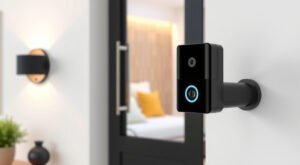
Smart doorbells have evolved into comprehensive entry management systems, featuring ultra-wide-angle 4K cameras with HDR recording for perfect visibility in all lighting conditions. Advanced models include package detection zones that monitor deliveries from multiple angles, providing complete documentation of pickup and delivery activities. Facial recognition databases now support hundreds of contacts with automatic visitor announcements.
Two-way communication systems feature advanced audio processing that eliminates background noise and echo, enabling natural conversations. Quick response templates allow busy homeowners to provide instant responses to common situations. Integration with smart locks enables remote access control with video verification, perfect for service personnel or temporary access situations.
Battery life has extended significantly through efficient processors and solar charging integration. The leading smart doorbell systems include secondary monitoring cameras that activate when the primary unit detects motion, providing comprehensive coverage of entry areas. Professional installation options include existing doorbell wire integration or completely wireless mounting with extended battery systems.
Smart Lighting and Electrical Solutions

Smart Bulbs and Fixtures
Smart lighting technology in 2026 has revolutionized home ambiance and energy efficiency through breakthrough LED innovations and intelligent control systems. The latest smart lights feature tunable white technology that automatically adjusts color temperature throughout the day, supporting natural circadian rhythms and improving sleep quality. Advanced models offer over 16 million color combinations with precise dimming control, enabling perfect ambiance for any activity or mood.
Energy efficiency has reached remarkable levels, with leading smart bulbs consuming 85% less energy than traditional incandescent while lasting over 25 years under normal usage. Integration with occupancy sensors and daylight harvesting systems automatically optimizes brightness and operation, further reducing energy consumption. The most advanced smart lights include built-in speakers and emergency backup batteries, providing illumination and communication during power outages.
Thread and Matter protocol support ensures seamless integration across all smart home platforms, while mesh networking capabilities allow lights to extend and strengthen smart home network coverage. Premium fixtures feature modular designs enabling easy component replacement and upgrades, supporting sustainable lighting investments that adapt to changing needs and technology advances.
Smart Switches and Dimmers
Smart switches and dimmers have evolved into sophisticated electrical control centers that manage power distribution and automation throughout the home. Modern smart switches feature touchscreen interfaces displaying real-time energy consumption, scheduling options, and integration controls for connected devices. Advanced models include built-in USB charging ports and wireless charging surfaces, eliminating adapter clutter while providing convenient power access.
Installation has simplified dramatically through innovative design that works with existing wiring configurations, including homes without neutral wires. Some models feature battery backup systems ensuring automation continues during power fluctuations. Load sensing technology automatically detects connected device types and optimizes power delivery for maximum efficiency and component longevity.
The leading smart switch systems include scene control capabilities, enabling single-touch activation of complex lighting and device configurations. Integration with security systems allows automatic lighting responses to alarm conditions, while vacation modes simulate occupancy through intelligent randomization. Professional-grade models offer surge protection and electrical monitoring, alerting users to potential wiring issues or excessive power consumption.
Outdoor Lighting Systems
Outdoor smart lighting has transformed exterior security and aesthetics through weather-resistant designs and advanced automation capabilities. Solar-powered systems now provide reliable illumination throughout the night using high-efficiency panels and lithium battery storage, while maintaining smart control features and connectivity. Motion detection systems distinguish between wildlife, vehicles, and human activity, providing appropriate lighting responses while conserving energy.
Integration with security cameras and smart doorbells creates comprehensive exterior monitoring systems where lighting automatically illuminates areas of interest during security events. Landscape lighting systems feature precise color control and programmable patterns for holidays and special events, while maintaining subtle security illumination during normal operation. Weather sensors automatically adjust operation based on ambient light, temperature, and precipitation conditions.
The premier outdoor smart lighting systems include modular components enabling custom configurations for any property layout. Professional-grade fixtures feature IP67 weather resistance and impact protection, suitable for extreme climate conditions. Intelligent scheduling considers seasonal daylight changes and automatically adjusts timing, while integration with astronomical data ensures optimal operation year-round without manual intervention.
Climate Control and Energy Management
Smart Thermostats
Smart thermostats in 2026 have achieved unprecedented sophistication through AI-powered learning algorithms that optimize comfort while maximizing energy efficiency. These advanced systems analyze occupancy patterns, weather forecasts, and individual preferences to create personalized climate schedules that adapt automatically to changing lifestyles. Machine learning capabilities enable prediction of heating and cooling needs hours in advance, pre-conditioning spaces for optimal comfort upon arrival.
Integration with renewable energy systems has become seamless, with smart thermostats automatically adjusting operation during peak solar generation or low-cost grid periods. Advanced models include air quality monitoring with automatic HVAC adjustment when pollutants or allergens are detected. Geofencing technology tracks family member locations, automatically transitioning to energy-saving modes when the home is unoccupied and preparing for comfortable conditions upon return.
The leading smart thermostat features room-by-room temperature and humidity control through wireless sensors, ensuring consistent comfort throughout the home. Voice control integration enables natural language commands for complex climate adjustments, while smartphone apps provide detailed energy usage analytics and optimization recommendations. Professional installation options include integration with advanced HVAC systems and smart vents for comprehensive climate management.
Smart HVAC Systems
Complete smart HVAC systems represent the pinnacle of home climate control, offering zone-based temperature management with individual room customization. These systems integrate seamlessly with smart home platforms, enabling automation based on occupancy, time of day, and external weather conditions. Advanced heat pump technology provides efficient heating and cooling while smart ductwork includes automated dampers for precise airflow control.
Air quality management has become integral to smart HVAC systems, with real-time monitoring of particulates, volatile organic compounds, and humidity levels. Automatic filtration adjustment and purification system activation maintain optimal indoor air quality while alerting users to filter replacement needs. Integration with whole-home ventilation systems ensures fresh air circulation while maintaining energy efficiency.
Predictive maintenance capabilities monitor system performance and component health, scheduling service appointments before failures occur. Energy optimization algorithms balance comfort with efficiency, automatically adjusting operation based on utility rates and renewable energy availability. The premier smart HVAC systems include backup power integration, maintaining climate control during outages while prioritizing essential zones to conserve battery power.
Energy Monitoring Solutions
Comprehensive energy monitoring systems provide unprecedented insight into home energy consumption patterns, enabling optimization strategies that significantly reduce utility costs. Circuit-level monitoring identifies energy usage for individual appliances and systems, revealing inefficient devices and phantom loads that waste electricity. Real-time analytics display consumption patterns through intuitive dashboards, highlighting opportunities for behavioral changes and equipment upgrades.
Integration with smart home devices enables automated energy management, where high-consumption appliances operate during low-cost periods or peak renewable generation. Demand response participation allows utility companies to temporarily reduce consumption during grid stress, providing financial incentives while supporting grid stability. Advanced systems include energy storage management, optimizing battery charging and discharge cycles for maximum economic and environmental benefit.
The most sophisticated energy monitoring solutions include predictive analytics that forecast monthly usage and costs based on current patterns and weather projections. Carbon footprint tracking demonstrates environmental impact while suggesting reduction strategies. Professional installation options include main panel integration and individual circuit monitoring, providing comprehensive energy visibility without disrupting existing electrical systems.
Kitchen and Appliance Automation
Smart Kitchen Appliances
Smart kitchen appliances have transformed culinary experiences through AI-assisted cooking and seamless connectivity that elevates both convenience and culinary outcomes. Modern smart ovens feature computer vision and internal cameras that monitor cooking progress, automatically adjusting temperature and timing for perfect results. Advanced models include steam injection systems and precision temperature control rivaling professional equipment, while maintaining energy efficiency and user-friendly operation.
Smart refrigerators now serve as kitchen command centers, featuring internal cameras that track food inventory and expiration dates automatically. Integration with grocery delivery services enables automatic ordering of depleted items, while AI-powered meal planning suggests recipes based on available ingredients and dietary preferences. Energy Star certification combined with intelligent cooling algorithms ensures optimal food preservation while minimizing electricity consumption.
The leading smart kitchen suite includes appliances that communicate seamlessly, coordinating cooking times and temperatures for complex meals. Voice control integration enables hands-free operation while following recipes, asking questions, and adjusting settings without interrupting food preparation. Professional-grade smart appliances offer restaurant-quality features with residential convenience, including sous vide precision, steam cooking, and automated cleaning cycles.
Connected Cooking Solutions
Connected cooking platforms integrate multiple smart appliances with recipe databases and cooking instruction systems that guide users through complex culinary techniques. Smart induction cooktops feature precision temperature control with automatic stirring alerts and safety shut-offs, while connected range hoods automatically adjust ventilation based on cooking activity and air quality sensors. Integration with smart scales and measuring devices ensures recipe accuracy while tracking nutritional information.
Meal planning systems analyze dietary preferences, health goals, and available ingredients to suggest optimized weekly menus with automated shopping lists. AI cooking assistants provide real-time guidance through smartphone apps or smart displays, adjusting instructions based on cooking progress and user skill level. Advanced systems learn individual preferences and cooking habits, personalizing recommendations and adjusting default settings for optimal results.
The premier connected cooking solution includes smart countertop appliances that coordinate with major appliances for seamless meal preparation. Multi-cooker devices offer pressure cooking, slow cooking, and air frying capabilities with smartphone monitoring and control. Professional integration services ensure all cooking appliances work together harmoniously, creating a cohesive smart kitchen ecosystem that enhances culinary creativity while simplifying complex cooking processes.
Smart Home Cleaning Devices
Smart home cleaning technology has achieved remarkable sophistication through advanced robotics and AI-powered navigation systems that deliver thorough cleaning with minimal user intervention. Modern robotic vacuums feature LIDAR mapping and computer vision that create detailed floor plans, enabling efficient cleaning patterns while avoiding obstacles and delicate items. Advanced models include self-emptying bases with multi-week capacity and automatic bag replacement, truly autonomous operation.
Integrated mopping and vacuuming systems provide comprehensive floor care, automatically switching between cleaning modes based on surface types and soil levels. Smart scheduling considers household activity patterns, cleaning during optimal times while avoiding disruption. Pet-specific features include enhanced suction for pet hair and specialized brushes that resist tangling while maintaining effectiveness on various floor types.
The leading smart cleaning devices include whole-home coordination where multiple units work together to clean large homes efficiently. Integration with security systems enables cleaning activation when homes are unoccupied, while smart sensors detect high-traffic areas requiring additional attention. Maintenance monitoring alerts users to filter replacements and component servicing, while automatic ordering ensures cleaning supplies remain available without user intervention.
Entertainment and Media Systems
Smart TVs and Streaming Devices
Smart television technology in 2026 has reached extraordinary heights through 8K display resolution, AI-powered upscaling, and intelligent content curation that transforms viewing experiences. Advanced quantum dot and OLED technologies deliver unprecedented color accuracy and contrast ratios, while variable refresh rate support ensures smooth motion for gaming and sports content. AI upscaling algorithms enhance lower-resolution content to near-native 8K quality, breathing new life into classic movies and shows.
Content discovery has evolved through machine learning systems that analyze viewing habits, mood indicators, and even biometric feedback to suggest personalized entertainment options. Cross-platform integration aggregates content from multiple streaming services into unified interfaces, eliminating the need to search individual apps. Voice control systems understand natural language requests for complex content searches, enabling queries like “show me romantic comedies from the 1990s with high ratings.”
The premier smart TV models include ambient computing features that display artwork, weather information, and smart home controls when not actively viewing content. Gaming optimization includes automatic game mode activation with optimized display settings for different game types. Professional calibration modes satisfy videophile requirements, while energy-efficient operation maintains peak performance with minimal environmental impact.
Whole-Home Audio Systems
Distributed audio systems have achieved audiophile-quality sound reproduction throughout entire homes while maintaining simple control and seamless integration with smart home platforms. Advanced mesh networking enables synchronous playback across dozens of speakers with imperceptible latency, creating immersive soundscapes for entertaining and daily listening. High-resolution audio support includes lossless streaming and spatial audio formats that reveal musical details previously hidden in compressed formats.
Zone-based control allows different music in each room or synchronized playback for whole-home audio experiences. Smart speakers integrate seamlessly with dedicated audio components, enabling voice control and automated playlist management based on time of day, occupancy, and activity recognition. Advanced acoustic optimization automatically adjusts frequency response based on room characteristics and speaker placement.
The ultimate whole-home audio solution includes architectural speakers that provide invisible integration with superior sound quality. Professional tuning services optimize system performance for individual homes, while modular components enable system expansion and upgrades over time. Integration with smart lighting and climate control creates synchronized entertainment environments that enhance movie nights and social gatherings.
Gaming and VR Integration
Smart home integration with gaming and virtual reality systems has created immersive entertainment environments that extend beyond traditional gaming setups. Advanced smart lighting systems synchronize with game content, creating ambient lighting that matches on-screen action while smart speakers provide positioned audio cues that enhance competitive gaming performance. Climate control systems automatically adjust temperature during intense gaming sessions, maintaining optimal comfort for extended play periods.
VR integration includes smart furniture that automatically adjusts or retracts to create safe play spaces, while floor sensors detect player boundaries and provide haptic feedback through connected devices. Smart displays throughout the home can mirror VR experiences for spectators, while voice assistants provide game tips and statistics without interrupting gameplay. Professional gaming setups include automated streaming configurations that optimize lighting, audio, and camera positioning for content creation.
The premier gaming integration includes biometric monitoring that suggests break reminders and adjusts environmental conditions based on stress levels and fatigue indicators. Smart storage solutions organize gaming equipment automatically, while charging stations ensure controllers and VR headsets remain ready for use. Integration with smart security systems ensures gaming spaces remain secure while providing parental controls and usage monitoring for family gaming management.
Recommended for You
🛒 Philips Hue Starter Kit
As an Amazon Associate we earn from qualifying purchases.
Health and Wellness Smart Devices
Sleep and Bedroom Optimization
Smart sleep technology has revolutionized bedroom environments through comprehensive monitoring and optimization systems that enhance sleep quality and overall health. Advanced sleep tracking combines mattress sensors, environmental monitoring, and wearable device integration to analyze sleep stages, movement patterns, and physiological indicators throughout the night. AI algorithms identify factors affecting sleep quality and automatically adjust bedroom conditions for optimal rest.
Smart mattresses feature zone-based temperature control, firmness adjustment, and gentle wake-up systems that gradually adjust position and temperature to facilitate natural awakening during lighter sleep stages. Integration with smart thermostats and air purification systems maintains ideal temperature, humidity, and air quality for restorative sleep. Circadian lighting systems gradually dim evening illumination and provide gentle morning light simulation that supports natural sleep-wake cycles.
The premier sleep optimization system includes comprehensive bedroom automation that adjusts blackout shades, eliminates electronic noise, and coordinates with household systems to minimize sleep disruption. Sleep coaching apps provide personalized recommendations based on individual sleep patterns and health goals, while integration with healthcare providers enables sharing of sleep data for medical consultation. Advanced systems include partner-specific customization, ensuring optimal comfort for couples with different sleep preferences.
Air and Water Quality Monitoring
Comprehensive environmental monitoring systems provide real-time assessment of indoor air and water quality, automatically activating purification systems when contamination is detected. Advanced air quality sensors monitor particulate matter, volatile organic compounds, carbon dioxide levels, and allergen concentrations, providing detailed analysis through smartphone apps and smart home displays. Integration with HVAC systems enables automatic ventilation adjustment and air filtration optimization.
Smart water monitoring includes point-of-use testing for chlorine, lead, bacteria, and pH levels, with automatic alerts when filtration system maintenance is required. Whole-home water treatment systems integrate with smart home platforms to provide usage analytics and quality trends over time. Emergency shutoff capabilities activate automatically when major leaks or contamination events are detected, preventing property damage and health risks.
The most advanced environmental monitoring systems include predictive analytics that anticipate air quality issues based on weather patterns, local pollution forecasts, and historical data. Integration with health tracking devices correlates environmental conditions with respiratory symptoms and allergic reactions, providing insights for health management. Professional monitoring services include expert analysis and recommendations for improving indoor environmental quality through targeted interventions.
Fitness and Health Tracking
Smart home fitness integration extends beyond wearable devices to create comprehensive wellness ecosystems that support health goals through environmental optimization and automated coaching. Smart mirrors and exercise equipment provide personalized workout experiences with real-time form correction and performance tracking, while environmental systems adjust temperature, humidity, and air circulation for optimal exercise conditions. Integration with nutrition tracking enables comprehensive lifestyle monitoring and health optimization.
Biometric monitoring throughout the home includes smart scales, blood pressure monitors, and air quality sensors that collectively assess health trends and environmental impacts on wellness. AI health assistants analyze patterns across multiple data sources, identifying correlations and suggesting lifestyle modifications for improved health outcomes. Privacy protection ensures health data remains secure while enabling sharing with healthcare providers when authorized.
The comprehensive smart health system includes emergency monitoring that detects falls, unusual activity patterns, or health emergencies, automatically contacting emergency services and designated family members. Integration with medical devices enables remote monitoring for chronic conditions, while medication reminders and health appointment scheduling support ongoing health management. Wellness coaching apps provide personalized recommendations based on individual health goals, fitness levels, and medical considerations.
Emerging Technologies and Future Trends
Matter Protocol Impact
The Matter protocol has fundamentally transformed the smart home landscape by establishing universal device compatibility across previously incompatible ecosystems. This revolutionary standard enables seamless operation between Google, Amazon, Apple, and other platforms, eliminating the frustration of ecosystem lock-in that plagued earlier smart home adoption. Devices certified with Matter protocol communicate directly with each other regardless of manufacturer, creating truly interoperable smart home networks.
Reduced fragmentation has accelerated innovation as manufacturers focus on feature development rather than proprietary compatibility solutions. Consumers benefit from increased choice and competitive pricing as devices compete on merit rather than ecosystem exclusivity. Setup complexity has diminished dramatically through standardized pairing processes and automatic device discovery across platforms.
The widespread Matter adoption has enabled smaller manufacturers to compete effectively with tech giants, fostering innovation in niche applications and specialized devices. Future developments include enhanced security protocols, expanded device categories, and improved performance optimization. Industry collaboration continues expanding Matter capabilities, with upcoming versions supporting advanced features like mesh networking optimization and energy management coordination that will further enhance smart home experiences.
AI and Machine Learning Advances
Artificial intelligence integration has evolved from simple voice recognition to sophisticated behavioral analysis and predictive automation that anticipates user needs before they’re expressed. Edge computing capabilities enable real-time decision-making without cloud dependency, improving response times while enhancing privacy protection. Machine learning algorithms analyze patterns across multiple devices and sensors, creating personalized automation that adapts to changing lifestyles and preferences.
Predictive automation extends beyond scheduling to include anticipatory responses based on environmental conditions, calendar events, and behavioral patterns. Smart homes now learn family routines and automatically adjust lighting, temperature, and security settings without explicit programming. Advanced AI assistants understand context and intent, managing complex multi-step requests and coordinating between different smart home systems seamlessly.
The next generation of AI-powered smart homes will include emotional intelligence recognition, adjusting environments based on mood indicators and stress levels detected through various sensors. Continuous learning algorithms will enable systems to adapt to aging, health changes, and evolving family dynamics. Integration with external data sources will provide enhanced automation capabilities, considering weather forecasts, traffic patterns, and local events in automated decision-making processes.
Sustainability Focus
Environmental consciousness has become central to smart home device development, with manufacturers prioritizing energy efficiency, sustainable materials, and circular economy principles. Advanced power management systems optimize energy consumption across all connected devices, while integration with renewable energy sources maximizes clean energy utilization. Carbon footprint tracking and reduction recommendations help homeowners minimize environmental impact while maintaining comfort and convenience.
Sustainable manufacturing includes recyclable materials, minimal packaging, and designed-for-disassembly approaches that facilitate component reuse and recycling. Extended product lifecycles through software updates and modular hardware design reduce electronic waste while providing ongoing value to consumers. Energy harvesting technologies enable devices to operate using ambient energy sources, reducing battery replacement needs and associated environmental impact.
Future sustainability initiatives include blockchain-based device lifecycle tracking, enabling transparent environmental impact assessment and responsible disposal. Integration with utility grid management will enable smart homes to contribute to grid stability through demand response and energy storage optimization. Collaborative sustainability platforms will connect smart homes into community energy networks, sharing renewable energy and optimizing neighborhood-scale efficiency for maximum environmental benefit.
Budget Considerations and ROI
Cost-Benefit Analysis
Smart home investments in 2026 demonstrate compelling return on investment through energy savings, insurance discounts, and improved home value that often justify initial expenses within 2-3 years. Energy monitoring and optimization typically reduce utility costs by 15-30% annually, while smart security systems qualify for insurance premium reductions averaging 5-20% depending on coverage and provider policies. Smart thermostats alone can generate $150-300 annual savings through optimized heating and cooling efficiency.
Productivity benefits include time savings from automated routines, remote monitoring capabilities, and predictive maintenance that prevents costly emergency repairs. Smart leak detection systems prevent water damage averaging thousands in repair costs, while predictive HVAC maintenance extends equipment life and maintains peak efficiency. Health benefits from improved air quality and sleep optimization provide intangible but significant value through reduced medical expenses and improved quality of life.
Long-term financial analysis should consider subscription costs for cloud services, professional monitoring fees, and periodic device upgrades balanced against ongoing savings and convenience benefits. The most cost-effective smart home implementations focus on high-impact devices like smart thermostats, security systems, and lighting automation before expanding to comprehensive whole-home integration. Strategic phased implementation spreads costs while enabling immediate benefits from foundational smart home capabilities.
Financing Options
Smart home financing has evolved to include specialized loan programs, utility rebates, and manufacturer financing that make advanced technology accessible to broader demographics. Many utility companies offer rebates and financing for smart thermostats, energy monitoring systems, and efficient appliances that support grid stability and demand management. Home improvement loans often include smart home technology as eligible expenses, enabling integration with major renovation projects.
Subscription-based device programs allow access to premium smart home technology through monthly payments that include device replacement, technical support, and automatic upgrades. Some manufacturers offer trade-in programs that provide credit for older devices when upgrading to newer models, supporting device lifecycle management while reducing upgrade costs. Professional installation companies increasingly offer financing packages that bundle equipment and installation costs into manageable monthly payments.
Federal and state tax incentives support smart home investments that improve energy efficiency, including smart HVAC systems, energy monitoring, and renewable energy integration. Property assessed clean energy (PACE) financing enables smart home improvements through property tax assessment, spreading costs over extended periods while transferring benefits to future homeowners. Careful evaluation of financing terms ensures smart home investments provide maximum financial benefit while maintaining budget flexibility.
Long-term Value
Smart home investments provide enduring value through future-proof technology standards, ongoing software updates, and modular upgrade capabilities that extend device lifecycles significantly. Matter protocol compatibility ensures devices remain functional as smart home ecosystems evolve, while manufacturer commitment to long-term software support maintains security and feature relevance. Premium devices often include upgrade paths that add new capabilities through hardware modules or enhanced software features.
Home value appreciation from smart home integration continues increasing as technology becomes standard in modern homes, with comprehensive smart home systems adding 3-5% to property values in many markets. Buyer preferences increasingly favor homes with established smart home infrastructure, reducing time on market and supporting premium pricing. Smart home documentation and transferable warranties enhance property appeal while ensuring new owners can maximize system benefits.
Operational longevity depends on selecting devices from manufacturers with proven track records for customer support, regular updates, and backward compatibility. Enterprise-grade devices often provide superior long-term value through enhanced durability, extended warranties, and professional support services. Strategic device selection focusing on core functionality and expandability ensures smart home systems grow with changing needs while protecting initial investments through adaptable, future-ready technology platforms.
Installation and Setup Guide
DIY vs. Professional Installation
Determining whether to pursue DIY installation or professional services depends on system complexity, existing home infrastructure, and personal technical expertise. Simple devices like smart bulbs, plugs, and battery-powered sensors typically offer straightforward DIY installation with guided mobile apps and video tutorials. However, hardwired devices including smart switches, security systems, and HVAC integration often require electrical knowledge and may necessitate permit compliance for safety and insurance coverage.
Professional installation provides significant value for comprehensive smart home systems, ensuring optimal device placement, network configuration, and integration between different manufacturers’ products. Certified installers offer warranties on workmanship, troubleshooting support, and often include training sessions that help homeowners maximize their smart home capabilities. Complex installations involving security systems, whole-home audio, or HVAC integration benefit from professional expertise that prevents costly mistakes and ensures reliable operation.
The hybrid approach combines DIY installation for simple devices with professional services for complex systems, optimizing costs while ensuring safety and functionality. Many professional installers offer consultation services that provide installation planning, device recommendations, and troubleshooting guidance for DIY projects. Careful evaluation of individual comfort levels, available time, and system complexity helps determine the most appropriate installation approach for specific smart home goals and circumstances.
Network Requirements
Robust network infrastructure forms the foundation of reliable smart home operation, with Wi-Fi 7 and advanced mesh systems providing the bandwidth and coverage necessary for modern device densities. Smart homes typically require dedicated bandwidth for device communication, security camera streaming, and cloud service connectivity that can strain older network equipment. Gigabit internet service increasingly becomes necessary for homes with multiple 4K security cameras, streaming devices, and real-time monitoring systems.
Mesh networking solutions eliminate dead zones and provide redundant connectivity paths that maintain smart home functionality even when individual access points experience issues. Enterprise-grade networking equipment offers enhanced security features, device isolation capabilities, and traffic prioritization that ensures critical devices like security systems maintain connectivity during high-usage periods. VLAN configuration separates smart home traffic from personal computing devices, improving both performance and security.
Network planning should consider future device additions, bandwidth requirements for emerging technologies like 8K streaming, and backup connectivity options during primary service outages. Professional network assessment identifies optimal access point placement, evaluates existing wiring infrastructure, and recommends upgrades necessary for comprehensive smart home support. Proper network foundation prevents connectivity issues that can frustrate smart home experiences and compromise security system reliability.
Troubleshooting Common Issues
Smart home troubleshooting begins with systematic approaches to connectivity issues, device conflicts, and integration problems that commonly affect system reliability. Network connectivity problems often stem from insufficient bandwidth, interference from neighboring networks, or inadequate mesh coverage in specific home areas. Device discovery issues typically resolve through network restart procedures, app updates, and verification of device compatibility with current hub firmware versions.
Automation reliability problems frequently result from conflicting device schedules, sensor placement issues, or hub processing limitations during peak usage periods. Regular maintenance routines including app updates, firmware installations, and network optimization prevent many common issues while identifying potential problems before they affect daily operations. Documentation of device configurations and automation rules facilitates troubleshooting and system restoration after network changes or device replacements.
Advanced troubleshooting involves network traffic analysis, device communication monitoring, and systematic elimination testing to identify root causes of persistent issues. Many smart home platforms include diagnostic tools that identify connectivity problems, device conflicts, and performance bottlenecks automatically. Professional technical support services provide remote assistance for complex issues while offering ongoing maintenance plans that ensure optimal system performance through proactive monitoring and preventive maintenance procedures.
Privacy and Security Best Practices
Data Protection Strategies
Comprehensive data protection for smart homes requires understanding what information devices collect, how it’s processed, and implementing controls that protect personal privacy without sacrificing functionality. Smart home devices typically gather usage patterns, voice recordings, video footage, and environmental data that can reveal intimate details about household activities and personal habits. Reading privacy policies and configuring data retention settings ensures users maintain control over personal information while enabling desired smart home features.
Local data processing options minimize cloud exposure by handling routine operations on home network equipment rather than remote servers. Edge computing devices process voice commands, video analysis, and automation logic locally, reducing data transmission and external dependency. Encrypted local storage solutions protect sensitive information even if devices are physically compromised, while regular backup procedures ensure data recovery capabilities during hardware failures.
User access controls enable granular permission management for family members, guests, and service personnel who may need limited smart home system access. Multi-factor authentication protects administrative accounts, while guest networks isolate visitor devices from smart home infrastructure. Data anonymization options remove personally identifiable information from usage analytics while maintaining system optimization capabilities, balancing privacy protection with performance enhancement through usage pattern analysis.
Network Security
Smart home network security requires multi-layered protection strategies that secure device communications, prevent unauthorized access, and monitor for suspicious activities. Network segmentation isolates smart home devices from computers
Related Articles You Might Like