What Makes a Smart Thermostat Worth the Investment

Core Features That Define Smart Thermostats
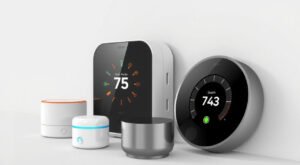
A smart thermostat transforms your home’s climate control through Wi-Fi connectivity and remote access capabilities, allowing you to monitor and adjust temperatures from anywhere using your smartphone. Unlike traditional programmable thermostats, these devices feature sophisticated learning algorithms that study your daily routines and automatically create optimized heating and cooling schedules. Advanced models incorporate geofencing technology that detects when you’re approaching or leaving home, automatically adjusting temperatures to ensure comfort upon arrival while maximizing energy savings during extended absences.
Modern smart thermostats seamlessly integrate with voice assistants, enabling hands-free control through your smart speaker. Whether you’re using Amazon Alexa, Google Assistant, or Apple’s Siri, simple voice commands like “set the temperature to 72 degrees” provide instant climate adjustments without requiring physical interaction with the device.
Energy Efficiency and Cost Savings
The most compelling feature of any smart thermostat is its energy usage analytics and reporting capabilities. These systems continuously monitor your HVAC system’s performance, providing detailed insights into heating and cooling patterns, energy consumption trends, and potential optimization opportunities. Many models display real-time energy usage data, helping you understand exactly how your climate control decisions impact utility costs.
Smart thermostats achieve significant energy savings through precise temperature control and adaptive scheduling. Unlike traditional systems that maintain constant temperatures regardless of occupancy, smart models learn when rooms are unoccupied and adjust accordingly. This intelligent automation can reduce HVAC energy consumption by 10-15%, translating to substantial utility bill reductions over time.
Smart Home Integration Capabilities
Today’s smart thermostats serve as integral components of comprehensive smart home ecosystems, connecting with platforms like Apple HomeKit, Samsung SmartThings, and Google Nest. This integration enables sophisticated automation scenarios where your thermostat coordinates with other connected devices for optimal comfort and efficiency. For example, your smart thermostat can work alongside your smart lock to detect when you arrive home and automatically adjust temperatures, or coordinate with your smart light system to implement energy-saving modes during peak usage hours.
Advanced models also feature occupancy detection technology using built-in sensors or integration with smart cameras and motion detectors throughout your home. This multi-device coordination ensures your HVAC system operates only when and where needed, maximizing both comfort and efficiency across your entire living space.
Top 10 Smart Thermostats of 2026: Expert Reviews

Premium Category Leaders
The Google Nest Learning Thermostat (4th Generation) leads the premium segment with its revolutionary predictive AI that anticipates temperature preferences based on weather patterns, occupancy data, and personal habits. This smart thermostat features a stunning 3.5-inch color display with automatic brightness adjustment and supports both 24V and low-voltage systems. Its compatibility with most HVAC configurations, including heat pumps, radiant systems, and multi-stage equipment, makes it suitable for virtually any home. The device excels in smart home integration, working seamlessly with Google Assistant, Amazon Alexa, and Apple HomeKit, while its Nest ecosystem connectivity enables coordination with Nest smart cameras and door locks.
The Ecobee SmartThermostat Premium stands out with its included SmartSensor technology and built-in Amazon Alexa functionality, essentially functioning as a smart speaker. This innovative approach eliminates the need for separate voice control devices while providing room-specific temperature monitoring through wireless sensors. The device’s superior air quality monitoring includes VOC detection and humidity control, making it ideal for health-conscious homeowners.
Honeywell’s T10 Pro Smart Thermostat rounds out the premium category with professional-grade features including RedLINK wireless technology and compatibility with complex commercial HVAC systems. Its ruggedized construction and advanced security features make it perfect for luxury homes and small commercial applications.
Best Value Options
The Amazon Smart Thermostat delivers exceptional value through its seamless integration with Alexa devices and competitive pricing under $100. Despite its budget-friendly cost, this smart thermostat includes essential features like remote control, scheduling, and energy usage reports. Its simplified installation process and automatic C-wire detection make it accessible for DIY enthusiasts, while Honeywell’s manufacturing ensures reliable performance and broad HVAC compatibility.
Wyze Thermostat continues to disrupt the market with premium features at an incredibly affordable price point. This smart thermostat includes 7-day scheduling, geofencing, and smartphone notifications, typically found only in higher-priced models. Its clean, intuitive interface and straightforward app make it perfect for smart home newcomers seeking advanced functionality without complexity.
The Sensi Touch Smart Thermostat provides excellent value through its contractor-friendly installation and robust compatibility with older HVAC systems. Its flexible wire configuration and built-in level ensure professional-quality installations, while privacy-conscious users appreciate that it doesn’t require personal data sharing for basic functionality.
Budget-Friendly Picks
Emerson Sensi Smart Thermostat represents the best entry-level option, offering essential smart features without sacrificing reliability. This smart thermostat works with existing wiring in most homes, eliminating expensive electrical modifications while providing smartphone control and energy savings tracking. Its compatibility with Apple HomeKit, Amazon Alexa, and Google Assistant ensures integration with existing smart home setups regardless of platform preference.
The Vine Smart Thermostat provides basic smart functionality at an extremely competitive price, featuring Wi-Fi connectivity, smartphone control, and simple scheduling options. While lacking advanced features like learning algorithms or geofencing, it delivers reliable performance for budget-conscious homeowners seeking to modernize their climate control without significant investment.
Smart Thermostat Features Comparison Guide

Essential vs. Premium Features
Essential smart thermostat features include Wi-Fi connectivity for remote control, basic scheduling capabilities, and smartphone app integration. These fundamental functions enable temperature adjustments from anywhere and simple programming for energy savings. Most budget-friendly models provide these core features along with compatibility with popular voice assistants like Alexa or Google Assistant through your existing smart speaker setup.
Premium features distinguish high-end models through learning algorithms that automatically optimize schedules based on your habits, geofencing technology that detects your location for automatic adjustments, and advanced sensors that monitor humidity, air quality, and occupancy. Weather integration allows these smart thermostats to preemptively adjust for changing outdoor conditions, while multi-zone control enables different temperatures in various rooms when paired with compatible damper systems.
Room sensors represent a significant premium feature, allowing precise temperature control in specific areas rather than relying solely on the thermostat’s location. This technology works particularly well in multi-story homes or spaces with varying heating and cooling needs throughout the day.
Compatibility Requirements
HVAC system compatibility varies significantly among smart thermostat models, making pre-purchase verification essential. Most systems require a C-wire (common wire) for continuous power, though newer models increasingly feature power-stealing technology that eliminates this requirement. Heat pump compatibility requires specific thermostat features to manage auxiliary heating efficiently, while multi-stage systems need thermostats capable of controlling multiple heating or cooling stages.
Older homes with electric baseboard heating, radiator systems, or high-voltage equipment often require specialized smart thermostat models designed for these applications. Similarly, homes with complex zoned systems, multiple HVAC units, or commercial-grade equipment need thermostats with advanced compatibility and professional installation support.
Smart home platform compatibility ensures your smart thermostat integrates with existing devices like smart lights, smart cameras, and smart locks. Apple HomeKit requires specific certification, while Google Assistant and Amazon Alexa generally offer broader compatibility across different thermostat brands and models.
User Experience Factors
Display quality significantly impacts daily interaction with your smart thermostat, ranging from simple LED readouts to full-color touchscreens with intuitive interfaces. High-resolution displays provide clear temperature readings, schedule information, and weather updates, while some models feature automatic brightness adjustment for optimal visibility in varying lighting conditions.
Mobile app functionality determines how effectively you can control your smart thermostat remotely, with the best applications offering intuitive interfaces, detailed energy reports, and quick access to frequently used features. Advanced apps provide historical data analysis, maintenance reminders, and integration with utility programs for additional energy savings.
Response time and reliability affect user satisfaction, particularly for voice commands and remote adjustments. Premium smart thermostats typically feature faster processors and more reliable Wi-Fi connectivity, ensuring commands execute promptly whether initiated through smartphone apps, voice assistants, or direct device interaction.

Check each product page for other buying options. Price and other details may vary based on product size and color.
Highly rated by customers for quality and value. Click to see current pricing and customer reviews.
More Top-Rated Options


Installation and Setup: DIY vs. Professional Installation

Pre-Installation Compatibility Check
Before installing any smart thermostat, conduct a thorough HVAC system compatibility assessment using manufacturer-provided online tools or mobile apps. These diagnostic tools analyze your existing wiring configuration, system type, and voltage requirements to confirm compatibility and identify potential installation challenges. Take clear photos of your current thermostat’s wiring and model numbers, as this information helps customer support teams provide specific guidance for your installation.
Check for a C-wire (common wire) in your existing setup, as most smart thermostats require continuous power for Wi-Fi connectivity and display operation. If no C-wire exists, determine whether your chosen smart thermostat includes power-stealing technology or if you’ll need to install additional wiring. Some HVAC systems can provide C-wire functionality through minor modifications to existing equipment, while others require professional electrical work.
Verify your home’s Wi-Fi coverage in the thermostat’s intended location, as reliable internet connectivity is essential for smart functionality. Weak Wi-Fi signals can cause connectivity issues, delayed responses, and reduced functionality, potentially requiring Wi-Fi extenders or mesh network upgrades before installation.
Step-by-Step DIY Installation Guide
Begin installation by turning off power to your HVAC system at both the thermostat and circuit breaker to ensure electrical safety. Remove your existing thermostat carefully, taking photos of wire connections before disconnecting anything. Label each wire according to its terminal designation (R, W, Y, G, C, etc.) using the labels typically included with your new smart thermostat.
Install the new smart thermostat’s wall plate using the provided screws, ensuring it’s level and securely mounted. Connect wires according to the manufacturer’s wiring diagram, matching wire labels to corresponding terminals on the new device. Most smart thermostats feature clearly marked terminals and color-coded instructions to simplify this process.
After completing wiring connections, restore power to your HVAC system and attach the smart thermostat to its wall plate. Follow the device’s initial setup process, which typically includes Wi-Fi network connection, account creation, and basic system configuration. Test heating and cooling functions to verify proper installation before proceeding with advanced features and smart home integration.
When to Call a Professional
Professional installation becomes necessary when dealing with complex HVAC systems, high-voltage equipment, or homes requiring new C-wire installation. Multi-stage heating and cooling systems, heat pumps with auxiliary heating, and zoned HVAC setups often require specialized knowledge to ensure proper configuration and optimal performance.
Older homes with unusual wiring configurations, multiple HVAC systems, or outdated electrical panels may present installation challenges beyond typical DIY capabilities. Professional technicians can assess these situations, make necessary electrical modifications, and ensure code compliance while protecting expensive HVAC equipment from potential damage.
Consider professional installation if you’re uncomfortable working with electrical wiring, lack basic tools, or want warranty protection that some manufacturers only provide with certified installation. Many HVAC contractors offer smart thermostat installation services at reasonable costs, often including system optimization and integration with existing smart home devices like smart cameras or smart locks for comprehensive automation setup.
Maximizing Energy Savings and Efficiency
Optimal Programming Strategies
Effective smart thermostat programming begins with understanding your household’s daily routines and implementing temperature setbacks during unoccupied periods. During winter months, reduce temperatures by 7-10 degrees while sleeping or away from home, as each degree of reduction can save approximately 10% on heating costs. Summer programming should increase cooling setpoints by similar margins when spaces are unoccupied, allowing your smart thermostat to minimize air conditioning runtime without sacrificing comfort.
Create distinct schedules for weekdays and weekends to account for different occupancy patterns, and leverage your smart thermostat’s learning capabilities by allowing it to observe your manual adjustments over several weeks. Many models automatically refine schedules based on these inputs, gradually optimizing for both comfort and efficiency without requiring constant manual programming.
Coordinate your smart thermostat programming with other smart home devices for enhanced savings. Program your smart lights to dim during peak heating or cooling periods, and ensure your smart lock’s vacation mode triggers extended away temperatures to maximize energy savings during travel.
Advanced Features for Maximum Savings
Geofencing technology offers significant savings potential by automatically adjusting temperatures based on your proximity to home. Configure geofencing with appropriate radius settings—typically 1-5 miles depending on commute times—to ensure your smart thermostat begins temperature recovery before arrival while maximizing away-period savings. Multiple smartphone integration allows geofencing to account for all household members, preventing premature temperature adjustments when others remain home.
Smart sensor integration enables room-specific temperature control, preventing over-conditioning of unoccupied spaces while maintaining comfort in active areas. This technology works particularly well in multi-story homes where traditional single-point temperature sensing often results in uncomfortable temperature variations and energy waste.
Weather integration features allow your smart thermostat to anticipate outdoor temperature changes and pre-condition your home for maximum efficiency. This predictive capability reduces HVAC system runtime during peak demand periods while ensuring consistent indoor comfort regardless of external conditions.
Measuring and Tracking Your Savings
Most smart thermostats provide detailed energy usage reports through their mobile applications, displaying daily, weekly, and monthly consumption patterns alongside outdoor temperature data. Compare these reports to previous utility bills from the same periods before smart thermostat installation to calculate actual savings and return on investment.
Track runtime data to identify optimization opportunities, as excessive heating or cooling cycles often indicate insulation problems, HVAC maintenance needs, or programming inefficiencies. Many smart thermostats display system runtime percentages and efficiency metrics, helping you understand when your equipment operates most effectively.
Participate in utility company energy programs when available, as many providers offer rebates, time-of-use rate optimization, and demand response programs that work specifically with smart thermostat technology. These programs can provide additional savings beyond basic efficiency improvements, sometimes offering cash incentives for participation during peak demand periods.
Smart Home Integration and Automation
Popular Smart Home Platform Compatibility
Apple HomeKit integration enables sophisticated automation scenarios where your smart thermostat coordinates with other HomeKit-certified devices through Siri voice commands and the Home app. Create scenes that simultaneously adjust temperature, dim smart lights, and lock smart doors when activating “Good Night” routines. HomeKit’s local processing ensures privacy and reliability, operating even during internet outages while maintaining secure device communication.
Amazon Alexa compatibility provides extensive automation possibilities through routines and skills, allowing your smart thermostat to respond to voice commands through any connected smart speaker. Advanced users can create complex routines where smart cameras detect occupancy, triggering automatic temperature adjustments while coordinating with smart lights and other connected devices for comprehensive home automation.
Google Assistant integration offers seamless control through Google Nest devices and Android smartphones, with natural language processing that understands context-aware commands like “make it warmer in the living room” when multiple smart thermostats or sensors are installed. The Google ecosystem excels at learning user preferences and suggesting automation improvements over time.
Creating Automated Climate Scenes
Develop comprehensive automation scenes that coordinate your smart thermostat with complementary devices for optimal comfort and efficiency. Create “Arrival Home” scenes that simultaneously unlock your smart lock, adjust temperatures, activate smart lights, and disarm smart cameras when geofencing detects your approach. These coordinated actions ensure a welcoming environment while maintaining security and energy efficiency.
Seasonal automation scenes adapt your home’s behavior to changing weather patterns, automatically switching between heating and cooling modes while adjusting smart light schedules and coordinating with motorized window treatments. Advanced scenes can incorporate weather forecasts to pre-condition your home for temperature extremes while optimizing energy usage during moderate periods.
Sleep optimization scenes coordinate temperature reduction with smart light dimming and smart lock verification, creating ideal sleeping conditions while maximizing overnight energy savings. These scenes can gradually adjust temperature throughout the night to match natural sleep cycles, potentially improving rest quality while reducing HVAC runtime.
Voice Control Setup and Commands
Configure voice control by linking your smart thermostat account with your preferred voice assistant through the corresponding smartphone app. Most platforms require account authentication and device discovery processes to establish secure communication between your smart speaker and thermostat systems.
Learn effective voice commands for common adjustments, such as “Set the temperature to 72 degrees,” “Lower the temperature by 3 degrees,” or “What’s the current temperature?” Advanced commands can target specific zones when multiple thermostats or sensors are installed, like “Set the bedroom temperature to 68 degrees” for precise multi-room control.
Create custom voice routines that combine temperature adjustments with other smart home actions, such as “Movie Time” commands that dim smart lights, adjust temperature for extended occupancy, and activate entertainment system settings simultaneously. These multi-device routines showcase the true potential of integrated smart home ecosystems centered around your smart thermostat.
Troubleshooting and Maintenance
Common Issues and Quick Fixes
Wi-Fi connectivity problems represent the most frequent smart thermostat issues, often manifesting as delayed response times, inability to control remotely, or frequent disconnections from mobile apps. Begin troubleshooting by checking your router’s location relative to the thermostat, as HVAC equipment and metal ductwork can interfere with Wi-Fi signals. Restart your smart thermostat by removing it from the wall plate for 30 seconds, then reconnect to force a fresh network connection attempt.
Temperature accuracy issues typically stem from poor thermostat placement, direct sunlight exposure, or interference from nearby heat sources. Calibrate your smart thermostat using the manufacturer’s app or built-in settings, comparing readings to a separate thermometer placed nearby. If significant discrepancies persist, consider relocating the device away from windows, vents, or appliances that might affect temperature sensing.
Schedule malfunctions often result from incorrect time zone settings, outdated firmware, or conflicting manual overrides that disable automatic programming. Verify your smart thermostat’s location settings in the mobile app and ensure automatic software updates are enabled. Reset programming to factory defaults if schedules fail to execute properly, then rebuild automation gradually to identify problematic settings.
Regular Maintenance Tasks
Monthly maintenance should include cleaning your smart thermostat’s display and sensors using a soft, dry cloth to remove dust accumulation that can affect touch sensitivity and temperature accuracy. Check battery levels if your model includes backup batteries, replacing them annually or when low-battery warnings appear in the mobile app.
Quarterly tasks include reviewing and updating your smart thermostat’s programming to account for seasonal changes, daylight saving time adjustments, and modified household routines. Update your Wi-Fi network password in the device settings if you’ve changed router credentials, and verify that smart home integration continues functioning properly with all connected devices including smart speakers, smart lights, and smart cameras.
Annual maintenance involves professional HVAC system inspection to ensure your smart thermostat’s advanced features work optimally with clean, well-maintained equipment. Replace HVAC filters according to manufacturer recommendations, as clogged filters force systems to work harder and can trigger smart thermostat alerts about excessive runtime or inefficient operation.
When to Contact Support
Contact manufacturer support when experiencing persistent connectivity issues that don’t resolve through standard troubleshooting steps, as these may indicate hardware defects or compatibility problems requiring replacement units. Document specific error messages, frequency of problems, and environmental factors that might contribute to malfunctions before reaching out to support teams.
Professional HVAC service becomes necessary when your smart thermostat displays equipment error codes, fails to control heating or cooling properly, or reports unusual system behavior that could indicate mechanical problems. Don’t attempt to diagnose complex HVAC issues yourself, as incorrect troubleshooting can damage expensive equipment and void warranties.
Seek immediate professional help if you smell gas, notice unusual sounds from HVAC equipment, or observe sparks or burning odors near your smart thermostat installation. These symptoms indicate serious safety concerns requiring immediate system shutdown and professional inspection before resuming normal operation.
Future of Smart Thermostat Technology
Emerging Technologies and Trends
Artificial intelligence advancement in smart thermostats will enable predictive maintenance capabilities that anticipate HVAC system failures before they occur, potentially saving homeowners thousands in repair costs and emergency service calls. Machine learning algorithms will analyze equipment performance patterns, identifying subtle changes that indicate worn components, refrigerant leaks, or efficiency degradation requiring attention.
Next-generation smart thermostats will feature enhanced integration with renewable energy systems, automatically adjusting heating and cooling schedules to maximize solar panel output utilization and minimize grid electricity consumption during peak rate periods. This coordination will extend to battery storage systems, allowing smart thermostats to optimize energy usage based on stored power availability and utility rate structures.
Advanced air quality monitoring will become standard, with smart thermostats incorporating sensors for particulates, volatile organic compounds, and outdoor air quality data integration. These devices will automatically coordinate with smart home ventilation systems, air purifiers, and HVAC equipment to maintain optimal indoor air quality while minimizing energy consumption.
Sustainability and Environmental Impact
Carbon footprint tracking features will provide homeowners with real-time data about their climate control environmental impact, displaying greenhouse gas emissions alongside energy consumption data. Smart thermostats will integrate with utility grid carbon intensity data, automatically shifting heating and cooling loads to periods when renewable energy availability is highest and grid emissions are minimized.
Integration with electric vehicle charging systems will enable smart thermostats to coordinate home energy usage, ensuring HVAC systems operate efficiently while accommodating EV charging needs without exceeding electrical service capacity. This coordination will become increasingly important as EV adoption accelerates and home energy management becomes more complex.
Smart thermostats will play crucial roles in virtual power plant initiatives, where utility companies coordinate thousands of devices to provide grid stabilization services during peak demand periods. Homeowners participating in these programs will receive financial incentives for allowing temporary temperature adjustments that reduce overall electrical grid stress.
Market Predictions for 2027 and Beyond
Industry analysts predict smart thermostat adoption will exceed 40% of US households by 2027, driven by utility rebate programs, energy cost increases, and improved product reliability. This growth will accelerate integration with smart speakers, smart cameras, and comprehensive home automation systems as consumers seek coordinated smart home experiences rather than standalone devices.
Price trends indicate continued market segmentation, with premium models incorporating advanced AI features and comprehensive air quality monitoring commanding higher prices, while basic smart connectivity features become standard in sub-$50 devices. This democratization will make smart thermostat technology accessible to broader market segments previously limited by cost considerations.
Regulatory changes will likely mandate smart thermostat compatibility in new construction and major HVAC system replacements, similar to current energy efficiency requirements. These regulations will drive innovation in power-stealing technology, universal compatibility, and simplified installation processes to accommodate varying skill levels and system configurations.
Smart Thermostat Features Comparison Guide
Essential vs. Premium Features
Essential smart thermostat features include Wi-Fi connectivity for remote control, basic scheduling capabilities, and smartphone app integration. These fundamental functions enable temperature adjustments from anywhere and simple programming for energy savings. Most budget-friendly models provide these core features along with compatibility with popular voice assistants like Alexa or Google Assistant through your existing smart speaker setup.
Premium features distinguish high-end models through learning algorithms that automatically optimize schedules based on your habits, geofencing technology that detects your location for automatic adjustments, and advanced sensors that monitor humidity, air quality, and occupancy. Weather integration allows these smart thermostats to preemptively adjust for changing outdoor conditions, while multi-zone control enables different temperatures in various rooms when paired with compatible damper systems.
Room sensors represent a significant premium feature, allowing precise temperature control in specific areas rather than relying solely on the thermostat’s location. This technology works particularly well in multi-story homes or spaces with varying heating and cooling needs throughout the day.
Compatibility Requirements
HVAC system compatibility varies significantly among smart thermostat models, making pre-purchase verification essential. Most systems require a C-wire (common wire) for continuous power, though newer models increasingly feature power-stealing technology that eliminates this requirement. Heat pump compatibility requires specific thermostat features to manage auxiliary heating efficiently, while multi-stage systems need thermostats capable of controlling multiple heating or cooling stages.
Older homes with electric baseboard heating, radiator systems, or high-voltage equipment often require specialized smart thermostat models designed for these applications. Similarly, homes with complex zoned systems, multiple HVAC units, or commercial-grade equipment need thermostats with advanced compatibility and professional installation support.
Smart home platform compatibility ensures your smart thermostat integrates with existing devices like smart lights, smart cameras, and smart locks. Apple HomeKit requires specific certification, while Google Assistant and Amazon Alexa generally offer broader compatibility across different thermostat brands and models.
User Experience Factors
Display quality significantly impacts daily interaction with your smart thermostat, ranging from simple LED readouts to full-color touchscreens with intuitive interfaces. High-resolution displays provide clear temperature readings, schedule information, and weather updates, while some models feature automatic brightness adjustment for optimal visibility in varying lighting conditions.
Mobile app functionality determines how effectively you can control your smart thermostat remotely, with the best applications offering intuitive interfaces, detailed energy reports, and quick access to frequently used features. Advanced apps provide historical data analysis, maintenance reminders, and integration with utility programs for additional energy savings.
Response time and reliability affect user satisfaction, particularly for voice commands and remote adjustments. Premium smart thermostats typically feature faster processors and more reliable Wi-Fi connectivity, ensuring commands execute promptly whether initiated through smartphone apps, voice assistants, or direct device interaction.
Related Articles You Might Like