- What Are Smart Home Protocols and Why Do They Matter?
- Zigbee – The Veteran Workhorse of Smart Homes
- Z-Wave – The Reliable Contender with a Dedicated Frequency
- Thread – The Modern Mesh Protocol Built for the IoT Era
- Matter – The Universal Language That Unites Them All
- Best Zigbee Hub 2026: A Comprehensive Guide
- Head-to-Head Comparison: Range, Speed, Device Support, and Power
- Which smart home protocol is the most future-proof?
- What’s the difference between Matter and Thread?
- Should I choose Zigbee or Z-Wave for my setup?
- Do I still need a smart hub with these protocols?
This article contains affiliate links. We may earn a commission at no extra cost to you. Full disclosure.
Building a smart home is exciting, but choosing the right communication protocol can feel like learning a new language. You’ve likely seen the terms Matter, Thread, Zigbee, and Z-Wave thrown around, but understanding what they actually mean for your lights, locks, and sensors is the real challenge. These protocols are the invisible backbone of your smart home, determining how quickly your lights respond, how far your sensors can reach, and whether your devices from different brands will actually talk to each other. In this guide, we’ll break down each protocol in plain English, comparing their range, speed, device support, and future-proofing potential. Whether you’re starting from scratch or looking to integrate new gear into an existing setup, this comparison will help you make a confident, informed decision so your smart home works seamlessly for years to come.
What Are Smart Home Protocols and Why Do They Matter?
Think of a smart home protocol as the language your devices use to communicate. Just like humans need a common language to understand each other, your smart bulb needs a protocol to receive commands from your hub or voice assistant. The protocol dictates how data is sent, how far it can travel, how much power it uses, and how secure the connection is. Choosing the right protocol directly impacts your smart home’s reliability, responsiveness, and expandability.
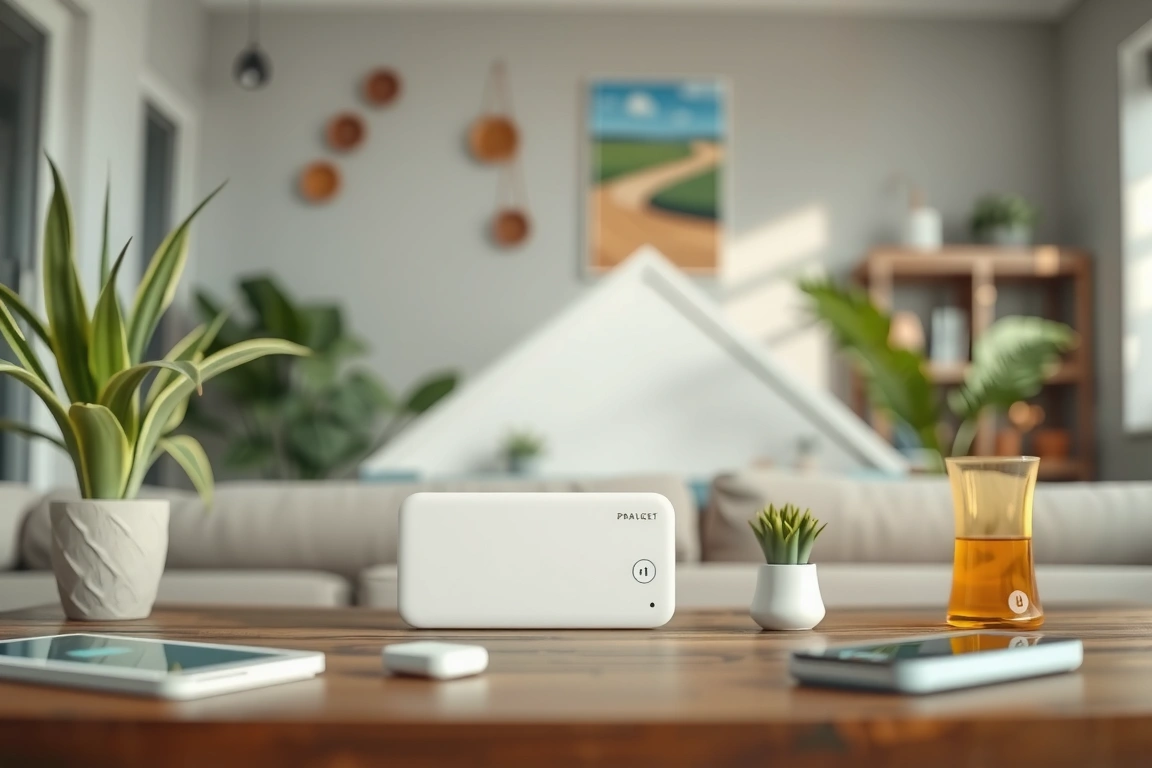
Most smart home protocols fall into two categories: mesh networking and star networking. Zigbee, Z-Wave, and Thread all use mesh networks, where each device can relay signals to its neighbours, extending range and improving reliability. Wi-Fi, by contrast, uses a star topology where every device talks directly to your router. Mesh protocols are generally more power-efficient and better suited for battery-powered sensors, while Wi-Fi offers higher bandwidth for cameras. Understanding these fundamentals helps you avoid buying a sensor that can’t reach your hub or a protocol that will become obsolete next year. In the sections below, we’ll dive deep into each of the four major protocols so you can pick the right one for every room in your home.
⭐ Google Nest
Smart home ecosystem — thermostats, cameras, displays.
Affiliate link
Zigbee – The Veteran Workhorse of Smart Homes
Zigbee has been around for over two decades and is one of the most widely adopted smart home protocols. It operates on the 2.4 GHz frequency band—the same as Wi-Fi—but uses a mesh networking topology to ensure signals can hop from device to device. This means a Zigbee plug socket can act as a repeater for a Zigbee temperature sensor that’s too far from your hub, giving you excellent whole-home coverage without needing extra hardware. Popular ecosystems like Philips Hue, Amazon Echo Plus (2nd gen), and many Samsung SmartThings hubs have built-in Zigbee radios, making it easy to build a diverse device ecosystem.
In terms of performance, Zigbee offers a data rate of around 250 kbps, which is more than enough for lighting, locks, and sensors but not ideal for streaming video from a camera. Its range per device is typically 10–20 metres indoors, but the mesh effect can extend that significantly. One key advantage is the vast library of devices—Zigbee is supported by hundreds of brands, from Aqara to IKEA. However, because Zigbee is an open standard, not all devices are guaranteed to work together without a universal hub like a Hubitat or Home Assistant. For practical advice: if you’re building a lighting system, stick with a single brand’s Zigbee line (like Philips Hue) for the smoothest experience, or invest in a coordinator hub that bridges different Zigbee device profiles. Zigbee-enabled devices have shipped in huge numbers worldwide, with a large catalog of certified products available on the market.
- Pros: Mature ecosystem, mesh networking, low power consumption, huge device selection.
- Cons: 2.4 GHz interference from Wi-Fi, potential interoperability issues between brands, requires a hub for most setups.
- Best for: Lighting, sensors, and switches where low power and mesh coverage are priorities.
Z-Wave – The Reliable Contender with a Dedicated Frequency
Z-Wave operates on a sub-GHz frequency (around 800–900 MHz, depending on region), which gives it a distinct advantage over Zigbee: less interference from Wi-Fi, Bluetooth, and microwaves. This makes Z-Wave exceptionally reliable in dense urban environments or homes with many wireless devices. Like Zigbee, Z-Wave is a mesh protocol, so each mains-powered device acts as a signal repeater. Z-Wave’s range per device is roughly 30 metres line-of-sight, and the mesh can extend that to cover large homes.
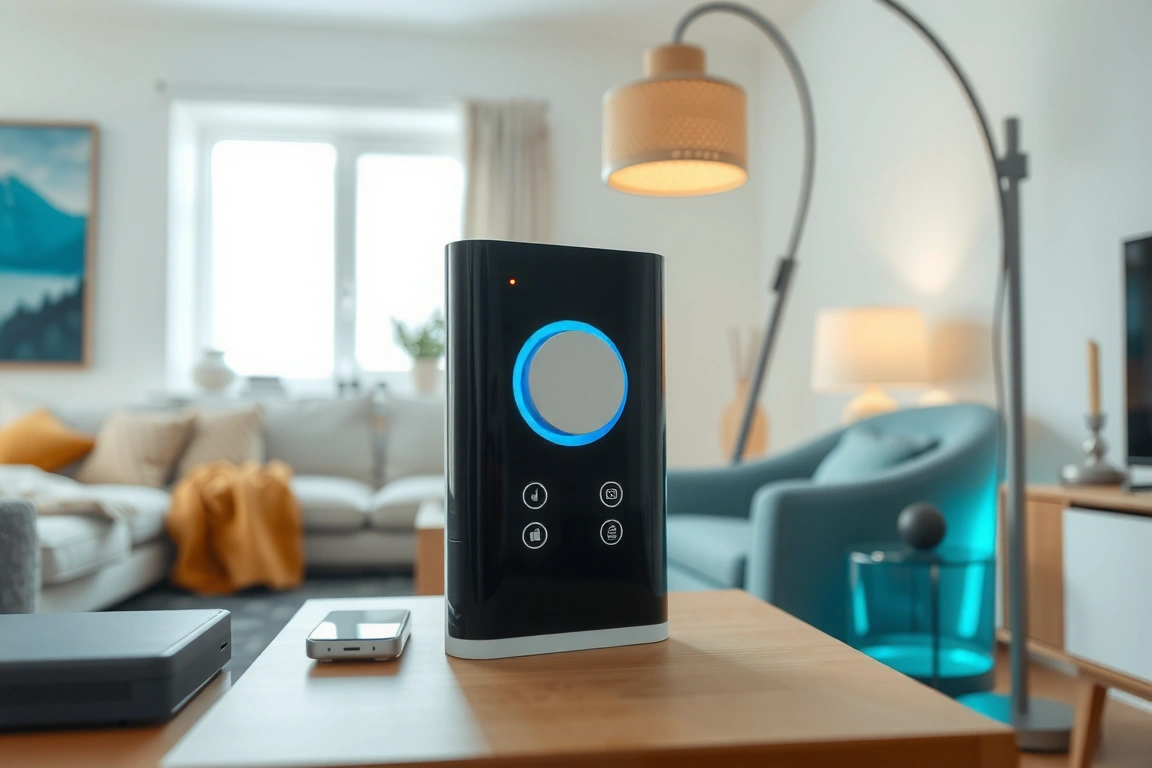
One of Z-Wave’s strongest selling points is its strict certification process. Every Z-Wave device must pass rigorous testing to ensure backward and forward compatibility, meaning a Z-Wave 800 series controller will work with a Z-Wave 500 series sensor from a decade ago. This backward compatibility is a huge plus for future-proofing. However, Z-Wave has a slower data rate (around 100 kbps) compared to Zigbee, and the device ecosystem is smaller, though still robust with brands like Zooz, Aeotec, and Fibaro. For a practical tip: if you prioritize rock-solid reliability and live in a Wi-Fi-congested area (like an apartment building), Z-Wave is often the better choice over Zigbee. You’ll need a Z-Wave hub or a combo hub like the Homey Pro or Hubitat Elevation to get started. The Z-Wave Alliance reports that over 100 million Z-Wave devices have been installed worldwide, with more than 2,500 certified products available.
- Pros: Less interference, strict certification, backward compatibility, good range.
- Cons: Slower data rate, smaller device library than Zigbee, requires a dedicated hub.
- Best for: Security sensors, door locks, and mission-critical automations where reliability is paramount.
Thread – The Modern Mesh Protocol Built for the IoT Era
Thread is the new kid on the block, but it’s quickly becoming a favourite among smart home enthusiasts. Developed by the Thread Group (with members like Google, Apple, and Samsung), Thread is an IP-based mesh protocol that runs on the 2.4 GHz band. Unlike Zigbee and Z-Wave, Thread devices can communicate directly with each other without needing a traditional hub—instead, they use a “border router” (often built into smart speakers or Wi-Fi routers) to connect to the internet. This makes Thread inherently more scalable and simpler to set up for homeowners.
Thread’s mesh is self-healing, meaning if one device goes offline, the network automatically reroutes data through another path. It also offers very low latency—around 10–20 milliseconds—making it snappy for lighting and locks. Thread is designed to be extremely power-efficient, with battery life often measured in years for sensors. The biggest news is that Thread is the primary wireless transport layer for Matter, the new universal smart home standard. This means buying Thread devices today is a strong future-proofing move, as they’ll seamlessly integrate into a Matter network later. Thread has seen significant growth, with many Thread-enabled devices shipped worldwide.
- Pros: IP-based, self-healing mesh, low latency, excellent power efficiency, future-proof with Matter.
- Cons: Still a smaller device ecosystem than Zigbee, requires a border router, 2.4 GHz band (potential Wi-Fi interference).
- Best for: New builds, greenfield smart home setups, and users who want a Matter-ready foundation.
Matter – The Universal Language That Unites Them All
Matter is not a wireless protocol in the same sense as Zigbee or Thread—it’s an application-layer standard that defines how smart home devices communicate over existing IP networks. In practice, Matter runs over Wi-Fi, Ethernet, and Thread, allowing devices from different ecosystems (Apple HomeKit, Google Home, Amazon Alexa, Samsung SmartThings) to work together locally without needing cloud bridges. This is a game-changer for homeowners tired of buying a hub for every brand. Matter was developed by the Connectivity Standards Alliance (CSA) with input from major tech players, and it launched in late 2022 with a growing list of certified devices. As of 2024, over 1,000 Matter-certified devices are available on the market, with major brands like Philips Hue, IKEA, and TP-Link already on board.
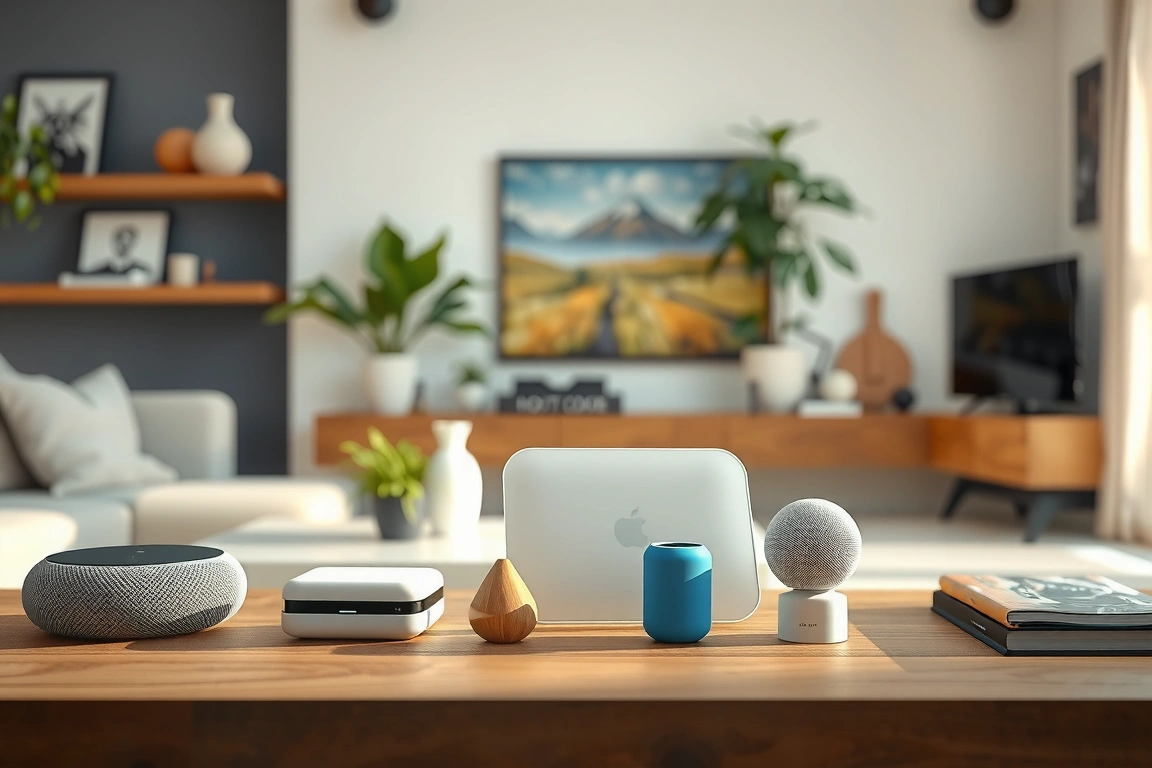
Matter’s key promise is simplicity and interoperability. When you buy a Matter-certified smart bulb, you can set it up with any Matter-compatible app—no more worrying about whether it works with Alexa or HomeKit. The setup process is standardised, often using a QR code or NFC tag. Matter also supports local control, meaning your lights will still work if your internet goes down, as long as you have a Matter controller (like a smart speaker or hub) on your local network.
- Pros: Universal compatibility, local control, simplified setup, backed by major platforms.
- Cons: Early-stage device library, some features still rolling out, requires a Matter controller.
- Best for: Homeowners who want a single ecosystem-agnostic standard and are willing to adopt early.
Best Zigbee Hub 2026: A Comprehensive Guide
Choosing the best Zigbee hub in 2026 depends on several factors, including device compatibility, ease of setup, and integration with your existing smart home ecosystem. Here are some top recommendations:
- Philips Hue Bridge: A popular choice for Zigbee-based smart lighting, offering seamless integration with a wide range of Philips Hue devices and compatibility with major smart home platforms.
- Samsung SmartThings Hub: Supports Zigbee, Z-Wave, and Thread, making it a versatile option for multi-protocol smart homes. It also integrates well with Samsung and third-party devices.
- Hubitat Elevation: A powerful Zigbee and Z-Wave hub with advanced automation capabilities and support for a wide range of devices from various manufacturers.
- Home Assistant: An open-source home automation platform that supports Zigbee, Z-Wave, and other protocols. It offers high customization and integration capabilities but requires technical expertise.
When selecting a Zigbee hub, consider the following:
- Device Compatibility: Ensure the hub supports your existing devices and any new ones you plan to add.
- Hub Features: Look for hubs with robust automation capabilities, remote access, and firmware updates.
- Ease of Setup: Choose a hub with a user-friendly setup process and clear documentation.
- Ecosystem Integration: Consider how well the hub integrates with your existing smart home ecosystem and voice assistants.
Head-to-Head Comparison: Range, Speed, Device Support, and Power
To make an informed decision, it helps to see these protocols side by side. Here’s a practical comparison based on real-world performance and device availability. Zigbee and Z-Wave both offer excellent range thanks to mesh networking, but Z-Wave’s lower frequency gives it a slight edge in penetrating walls and avoiding interference. Thread matches Zigbee’s 2.4 GHz frequency but benefits from a more modern, self-healing mesh design. In terms of speed, Thread leads with the lowest latency, followed closely by Zigbee, while Z-Wave is noticeably slower—fine for sensors but not ideal for simultaneous multi-device commands.
Device support is where Zigbee still dominates, with thousands of products on the market. Z-Wave has a smaller but highly curated library, while Thread and Matter are growing rapidly. Power consumption is a win for Thread and Zigbee, both of which allow coin-cell battery sensors to last years. Z-Wave is also power-efficient but slightly more demanding.
Which smart home protocol is the most future-proof?
Matter is currently the most future-proof protocol. Built on industry-wide standards, Matter ensures seamless compatibility between devices from different brands like Apple, Google, and Amazon. It also works over Thread for a robust mesh network. Investing in Matter-certified devices now means your smart home will easily integrate with new products for years to come.
What’s the difference between Matter and Thread?
Think of Matter as the universal language and Thread as the efficient delivery system. Matter is the application layer that guarantees compatibility between brands. Thread is the low-power, mesh networking protocol that transports Matter’s commands. Many new devices, like the Eve Energy smart plug, use Thread to create a strong, responsive network for Matter.
Should I choose Zigbee or Z-Wave for my setup?
Zigbee offers more brand options and is often less expensive, with support from Philips Hue, IKEA, and Samsung SmartThings. Z-Wave operates on a less crowded radio frequency, reducing potential interference with Wi-Fi, and is known for its strong interoperability. Your choice depends on your existing hub and whether you prioritize device variety or a rock-solid connection.
Do I still need a smart hub with these protocols?
For Zigbee and Z-Wave, yes, you typically need a dedicated hub like a SmartThings or Hubitat to coordinate devices. With Matter, the need for a traditional hub is reduced, as many compatible devices can connect directly to a Matter-compatible ecosystem like an Apple TV, Amazon Echo, or Google Nest Hub, which acts as a controller.
Make Your Home Smarter
Device reviews, automations, and the deals worth grabbing.
Related Articles You Might Like