

What Is a Smart Thermostat and How Does It Work?
Transform your home’s climate control with intelligent technology that learns, adapts, and saves money automatically. A smart thermostat is an advanced climate control device that connects to your home’s Wi-Fi network, allowing remote temperature management through smartphone apps and seamless integration with other smart home devices like smart speakers and smart lights. Unlike traditional thermostats that require constant manual adjustments, these sophisticated systems use advanced sensors and machine learning algorithms to automatically optimize your home’s heating and cooling for maximum efficiency and comfort.
Core Components and Technology
Behind every effective smart thermostat lies a network of precision sensors working in perfect harmony. Modern smart thermostats incorporate multiple advanced sensors that continuously monitor environmental conditions with remarkable accuracy. Temperature sensors provide precise readings typically within 1-2 degrees, while humidity sensors optimize comfort levels and prevent issues like condensation or excessive dryness. Motion sensors detect room occupancy in real-time, enabling the system to adjust temperatures based on actual usage patterns rather than rigid preset schedules.
The central processing unit houses sophisticated machine learning algorithms that analyze usage patterns, weather data, and occupancy information to make intelligent heating and cooling decisions. Many models feature high-resolution touchscreen displays that provide instant access to current conditions, detailed energy usage statistics, and intuitive controls for easy manual adjustments when needed.
Connectivity Options and Requirements
Reliable connectivity forms the backbone of any comprehensive smart thermostat guide implementation. Smart thermostats require a stable Wi-Fi connection to access cloud-based services and enable seamless remote control functionality. Most current models support both 2.4GHz and 5GHz networks, though some older units may only work with 2.4GHz frequencies. This connectivity enables real-time communication between your thermostat, smartphone app, and other connected devices like smart cameras and smart locks within your complete home automation ecosystem.
Many smart thermostats also feature backup connectivity options, including Bluetooth for local control when Wi-Fi becomes unavailable. Premium models incorporate cellular backup or mesh networking capabilities to ensure consistent connectivity even during internet outages, maintaining climate control when you need it most.
Learning Capabilities and AI Integration
The most revolutionary smart thermostats employ artificial intelligence to learn household patterns and preferences automatically, eliminating guesswork from climate control. These intelligent systems analyze when occupants typically leave and return home, preferred temperature settings for different times of day, and seasonal adjustment patterns. Over time, the thermostat creates increasingly accurate predictive models that anticipate heating and cooling needs before occupants even realize temperature adjustments are needed.
Geofencing technology leverages your smartphone’s location to determine when you’re approaching or leaving home, automatically adjusting temperatures accordingly. This feature integrates seamlessly with other smart home devices, potentially dimming smart lights or disarming smart locks as part of coordinated arrival and departure routines.

Key Benefits and Features of Smart Thermostats
Smart thermostats deliver transformative value through substantial energy savings, enhanced convenience, and seamless integration with modern smart home ecosystems. These intelligent devices typically reduce heating and cooling costs by 10-25%, with many homeowners experiencing complete payback periods of just 1-3 years depending on usage patterns and local energy costs.
Energy Efficiency and Cost Savings
The primary advantage of implementing any smart thermostat guide revolves around eliminating energy waste through precise temperature control and intelligent automation. Traditional thermostats maintain set temperatures even when homes sit unoccupied for hours, leading to unnecessary energy consumption that directly impacts monthly utility bills. Smart thermostats eliminate this waste by automatically adjusting temperatures based on occupancy patterns and external conditions.
Real-world energy savings vary significantly based on home size, insulation quality, and local climate conditions. Homeowners in extreme climates typically see the most dramatic savings, with reductions of 15-25% common in regions experiencing harsh winters or sweltering summers. Even in moderate climates, savings of 8-12% are typical, translating to $100-300 annually for average households.
Advanced models provide comprehensive energy usage analytics, breaking down consumption by heating and cooling separately while comparing usage to similar homes in your area. These detailed insights help homeowners identify additional energy-saving opportunities and track the measurable impact of behavioral changes over time.
Convenience and Remote Control
Smart thermostats revolutionize daily comfort by eliminating the need for constant manual temperature adjustments throughout the day. Through sophisticated learning algorithms, these devices automatically adapt to preferences while providing convenient remote access through intuitive smartphone apps. This allows temperature changes from anywhere in the world, ensuring comfortable conditions upon arrival home or enabling immediate energy-saving adjustments when plans change unexpectedly.
Voice control integration with smart speakers adds another layer of effortless convenience, allowing hands-free temperature adjustments using simple voice commands. This feature proves particularly valuable when hands are full or when coordinating with other connected devices like smart cameras or smart lights as part of comprehensive whole-home automation routines.
Advanced Scheduling and Automation
Unlike basic programmable thermostats that rigidly follow predetermined schedules, intelligent smart thermostats adapt to changing routines automatically without constant reprogramming. They seamlessly account for holidays, vacation periods, and irregular schedules without any manual intervention. Weather-based optimization adjusts indoor temperatures based on outdoor conditions, humidity levels, and forecasted weather patterns for optimal comfort and efficiency.
Many models offer sophisticated multi-zone control capabilities for homes with multiple HVAC zones, allowing different temperatures in various areas based on specific usage patterns and individual preferences. This granular control maximizes both comfort and efficiency by avoiding unnecessary heating or cooling of unused areas throughout the home.
Smart Home Integration Capabilities
Modern smart thermostats serve as central command centers in comprehensive home automation systems, communicating seamlessly with smart lights, smart locks, smart cameras, and smart speakers to create perfectly coordinated responses to various triggers. For example, when the security system arms through a smart lock, the thermostat automatically switches to energy-saving away mode while smart lights dim and smart cameras activate enhanced monitoring protocols.
Integration with popular voice assistants enables natural language commands and inclusion in broader automation routines that simplify daily life. Homeowners can create custom scenes that adjust multiple devices simultaneously, such as “Good night” routines that lower temperatures, secure smart locks, turn off smart lights, and set smart cameras to night mode with a single command.

Types of Smart Thermostats Available
The diverse smart thermostat market offers carefully designed options to meet varying needs, budgets, and technical requirements across different home environments. Understanding the fundamental differences between learning versus programmable models, wireless versus hardwired options, and budget versus premium features ensures optimal selection for your specific home environment and user preferences.
Learning vs. Programmable Smart Thermostats
Learning smart thermostats represent the most advanced category available, using sophisticated artificial intelligence to automatically adapt to household routines without requiring any manual programming. These intelligent units observe patterns over several weeks or months, carefully noting when occupants typically wake up, leave home, return, and sleep. The system gradually builds a comprehensive understanding of preferences and creates optimized schedules automatically, making this approach central to any effective smart thermostat guide.
Programmable smart thermostats require manual schedule creation but offer more predictable behavior for households with consistent routines and specific preferences. Users set precise temperatures for different times and days, providing exact control over heating and cooling patterns throughout the week. While requiring more initial setup time, these models often cost significantly less than learning variants while still delivering substantial energy savings through proper programming.
Some innovative hybrid models combine both approaches effectively, learning from user behavior while allowing manual schedule overrides when needed. These units adapt gradually to changing routines while maintaining complete user control over specific preferences that automated systems might not detect accurately on their own.
Wireless vs. Hardwired Options
Wireless smart thermostats operate on long-lasting battery power and communicate with base stations connected to HVAC systems, offering exceptional installation flexibility in homes where running new wires would be challenging or expensive. These units typically last 1-2 years on batteries and integrate seamlessly with existing smart home devices like smart speakers and smart cameras that also rely on wireless connectivity for operation.
Hardwired models connect directly to HVAC systems and home electrical systems, providing consistent power and often more advanced features than their wireless counterparts. These installations may require professional assistance, especially in older homes lacking C-wire connections needed for continuous power. However, hardwired units typically offer more responsive performance and additional features like larger displays and enhanced processing capabilities.
Power-stealing technology in some innovative models eliminates C-wire requirements by drawing small amounts of power from existing thermostat wires. This approach enables hardwired installation in older homes while maintaining compatibility with most existing HVAC systems without expensive rewiring.
Budget vs. Premium Feature Comparison
Budget-friendly smart thermostats typically cost $50-150 and provide essential features including reliable smartphone app control, basic scheduling capabilities, and simple smart home integration. These models work excellently for homeowners seeking substantial energy savings and convenient remote control without advanced artificial intelligence or extensive customization options.
Premium models ranging from $200-400 include sophisticated learning algorithms, advanced sensors, large touchscreen displays, and comprehensive smart home integration capabilities. Features like additional room sensors, detailed analytics, professional monitoring integration, and compatibility with complex HVAC systems justify higher costs for tech-enthusiast homeowners or those with elaborate smart home setups including multiple smart lights, smart locks, and smart cameras.
Mid-range options ($100-200) effectively balance features and affordability, offering learning capabilities, intuitive app interfaces, and solid smart home integration without premium features like advanced air quality monitoring or included professional installation services.

Top Smart Thermostat Models and Brands
The competitive smart thermostat market features several established leaders alongside innovative newcomers, each offering distinct advantages in terms of features, compatibility, and integration with broader smart home ecosystems including smart speakers, smart lights, and smart cameras from various manufacturers.
Premium Options: Nest and Ecobee
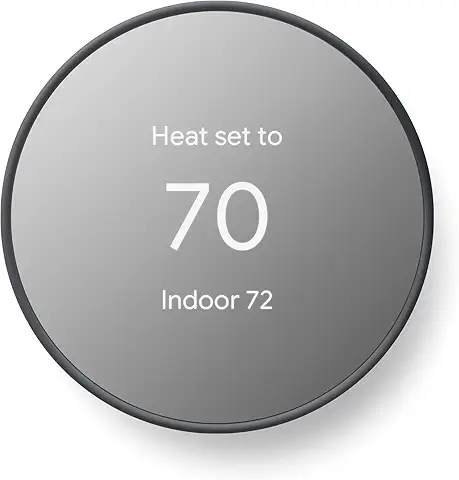
Google Nest Learning Thermostat maintains its position as market leader, priced around $250, featuring sophisticated machine learning that adapts to user preferences automatically without any programming required. The distinctive circular design includes a high-resolution display and intuitive interface that simplifies daily interactions while providing comprehensive climate data. Nest’s innovative Farsight technology detects movement from across the room, automatically displaying time, weather, or temperature information when occupants approach.
The comprehensive Nest ecosystem integrates seamlessly with Google Assistant smart speakers and other Google smart home devices, creating extensive automation possibilities throughout the home. Professional installation services are readily available through certified Nest Pro installers, ensuring proper setup and optimal performance with existing HVAC systems of all types.
Ecobee SmartThermostat with Voice Control, priced similarly to Nest, includes built-in Amazon Alexa functionality, essentially combining thermostat and smart speaker capabilities in one convenient device. The included room sensor helps balance temperatures throughout the home by detecting occupancy and temperature in multiple locations rather than relying solely on the thermostat location.
Ecobee’s superior smart home integration supports Apple HomeKit, Amazon Alexa, Google Assistant, and Samsung SmartThings, providing exceptional flexibility for homeowners with mixed smart device ecosystems including various smart lights, smart locks, and smart cameras from different manufacturers.
Mid-Range Alternatives
Honeywell offers several excellent mid-range smart thermostats including the popular T9 and T6 Pro models, priced between $150-200 with reliable performance records. These units provide consistent performance with intuitive app interfaces and broad HVAC compatibility across different system types. Honeywell’s significant strength lies in their extensive experience with traditional thermostats and strong established relationships with HVAC professionals nationwide.
Emerson Sensi thermostats, particularly popular among DIY installers, feature straightforward installation processes and highly intuitive smartphone apps that simplify setup. Priced around $120-180, Sensi models work well with most existing wiring configurations and provide solid smart home integration capabilities that complement any smart thermostat guide implementation.
Johnson Controls GLAS thermostat features a unique translucent OLED display and works with Microsoft Cortana, offering a distinctive aesthetic and voice control option for users preferring Microsoft’s ecosystem over Google or Amazon alternatives.
Budget-Friendly Smart Thermostats
Amazon Smart Thermostat, developed in partnership with Honeywell and priced around $60, provides excellent value for existing Alexa smart speaker users. While lacking advanced learning features, it offers reliable remote control, basic scheduling capabilities, and seamless integration with other Amazon smart home devices throughout the home.
Wyze Thermostat costs approximately $50 and includes many features typically found in much more expensive models. The simple installation process and intuitive app interface make it particularly attractive for budget-conscious homeowners seeking smart thermostat benefits without premium pricing.
Govee and other newer market entrants offer competitive features at budget-friendly prices, though long-term reliability and customer support may not match established brands. These options work well for renters or homeowners wanting to experience smart thermostat benefits before investing in premium models.
Installation Process and Requirements
Successful smart thermostat installation requires careful planning, proper tools, and strict attention to safety procedures throughout the process. While many homeowners can complete installation independently using a comprehensive smart thermostat guide, complex HVAC systems or electrical concerns may warrant professional assistance to ensure optimal performance and maintain warranty compliance.
Pre-Installation Planning and Compatibility Check
Before purchasing any smart thermostat, verify complete compatibility with existing HVAC systems by thoroughly checking current thermostat wiring and system specifications. Most smart thermostats work seamlessly with common heating and cooling systems including gas furnaces, electric heat pumps, central air conditioning, and combination systems, but compatibility with older or specialized equipment may require manufacturer verification.
Document existing thermostat wiring comprehensively by photographing wire connections and carefully noting wire colors and terminal locations. Common wire colors include red (24V power), white (heating), yellow (cooling), green (fan), and blue or black (common/C-wire). The C-wire provides continuous power for smart thermostat operation, though some models can operate without it using innovative power-stealing technology.
Check manufacturer compatibility tools available on most smart thermostat websites, which guide users through system identification and confirm compatibility automatically. These helpful tools also recommend specific models based on HVAC system characteristics and desired features, streamlining the selection process significantly.
DIY Installation Step-by-Step
Begin installation by turning off power to the HVAC system at the circuit breaker to ensure complete safety during wire handling and connections. Remove the existing thermostat face plate and mounting base carefully, disconnecting wires from terminals while referring to documentation photos taken earlier during planning.
Install the new smart thermostat mounting base using provided screws and wall anchors if needed for secure mounting. Connect wires to appropriate terminals following manufacturer instructions and detailed color-coding guides provided. Most smart thermostats include helpful wire labels to simplify connections and reduce potential errors during installation.
After securing all wire connections properly, attach the smart thermostat face plate and restore power to the HVAC system carefully. The device should power on immediately and display initial setup prompts on the screen. If the screen remains blank, verify wire connections and check that circuit breakers are properly reset before proceeding.
Complete the installation by downloading the manufacturer’s official smartphone app and following guided setup procedures step-by-step. This typically includes connecting to home Wi-Fi networks, creating user accounts, and configuring basic preferences like temperature units and display brightness levels.
When to Call a Professional
Professional installation is strongly recommended for complex HVAC systems, homes lacking C-wire connections requiring new wire runs, or when local building codes require licensed electrician involvement. Multi-stage heating and cooling systems, zone control systems, and unusual wiring configurations may exceed typical DIY comfort levels and require specialized knowledge.
Homeowners uncomfortable working with electrical connections should prioritize safety and hire qualified HVAC technicians or licensed electricians. Professional installation typically costs $100-200 but ensures proper setup, optimal performance, and maintained equipment warranties that protect your investment.
Many utility companies offer valuable rebates that include professional installation services, making professional installation cost-effective while ensuring proper setup. Some smart thermostat manufacturers also provide installation services through certified contractor networks for added peace of mind.
Setup and Configuration Best Practices
Proper initial setup and configuration significantly impact smart thermostat performance, energy savings potential, and long-term user satisfaction. Taking time to optimize settings during initial installation pays substantial dividends through improved comfort, reduced energy costs, and seamless integration with other smart home devices like smart speakers, smart lights, and smart cameras throughout your home.
Initial App Setup and Account Creation
Begin by downloading the manufacturer’s official smartphone app and creating secure user accounts before beginning thermostat configuration. Most apps require email verification and allow optional backup account creation for family members who need thermostat access. Enable push notifications to receive important alerts about temperature changes, system maintenance needs, and detailed energy usage reports that help optimize performance.
Connect the thermostat to home Wi-Fi networks by selecting the appropriate network name and entering passwords through the intuitive app interface. Ensure the chosen network provides reliable coverage in the thermostat location, as poor connectivity can significantly impact remote access and smart home integration features that make these devices valuable.
Configure basic preferences including temperature display units (Fahrenheit or Celsius), time formats, and display brightness levels for optimal visibility. Many thermostats offer automatic brightness adjustment based on ambient light levels, improving visibility while reducing energy consumption from always-on displays.
Optimizing Settings for Maximum Efficiency
Set temperature preferences based on actual occupancy patterns and comfort requirements rather than simply maintaining constant temperatures throughout the day. Research consistently suggests optimal settings of 68°F during winter heating and 78°F during summer cooling when home, with 7-10 degree adjustments during away periods maximizing energy savings without sacrificing comfort.
Configure eco-mode settings that automatically adjust temperatures during extended away periods or when vacation mode is activated through the app. These intelligent settings can reduce energy consumption by 15-20% during unoccupied periods while maintaining reasonable temperatures that prevent extreme conditions potentially harmful to home systems or contents.
Enable weather-based optimization features that automatically adjust indoor temperatures based on outdoor conditions, humidity levels, and forecasted weather patterns. These advanced systems can pre-cool or pre-heat homes during off-peak energy periods, reducing costs while maintaining optimal comfort levels throughout the day.
Transform your home’s comfort and efficiency today by implementing this comprehensive smart thermostat guide. Whether you choose a budget-friendly model or premium option with advanced learning capabilities, smart thermostats deliver measurable energy savings, enhanced convenience, and seamless integration with your existing smart home ecosystem. Take the first step toward intelligent climate control by selecting a model that matches your needs and budget, then enjoy years of automated comfort and reduced energy bills.

Check each product page for other buying options. Price and other details may vary based on product size and color.
Highly rated by customers for quality and value. Click to see current pricing and customer reviews.
More Top-Rated Options


Related Articles You Might Like