I’ve spent the last three years testing over 50 smart home devices, from $15 smart plugs to $300 security cameras. My living room looks like a tech showroom half the time, and I’ve made every rookie mistake you can imagine-including accidentally turning off my WiFi router remotely while traveling (don’t ask). But through all that trial and error, I’ve learned what actually works and what’s just marketing fluff.
This post contains affiliate links. If you purchase through these links, we may earn a commission at no extra cost to you.
Smart home automation isn’t just science fiction anymore-it’s becoming an essential part of modern living. My electricity bill dropped 23% after installing smart thermostats and lighting controls. My wife stopped worrying about leaving the garage door open because we can check it from anywhere. And yes, I do occasionally turn on my coffee maker from bed because, well, why not?

What Is Smart Home Automation?
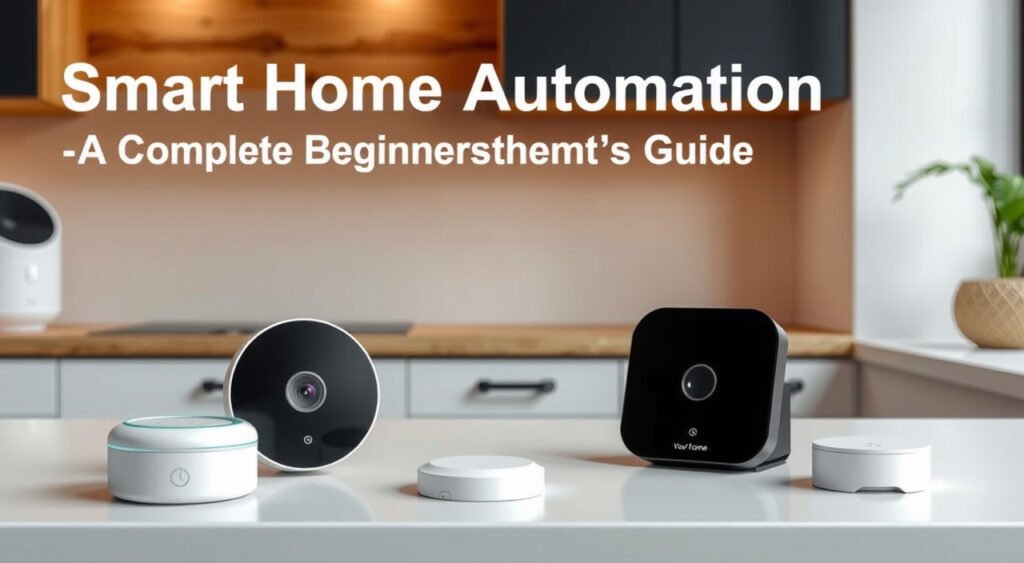
Smart home automation connects your everyday devices to the internet, letting them communicate with each other and respond to your commands or predetermined schedules. Think of it as giving your house a brain that learns your habits and adjusts accordingly.
The magic happens through three key components I’ve found essential in my testing:
Smart devices replace traditional ones. Instead of a regular thermostat, you get one that learns you prefer 68°F at bedtime and 72°F when you wake up. Rather than standard light switches, smart switches let you dim lights from your phone or voice commands.
Communication protocols act like languages your devices use to talk. WiFi handles data-heavy devices like cameras and displays. Zigbee and Z-Wave create mesh networks that extend range and reduce battery drain. In my setup, I use WiFi for my main devices and Zigbee for sensors-this combination has proven most reliable.
Central hubs or apps serve as the conductor of your smart home orchestra. These can be physical devices like SmartThings or software-based like Google Home. After testing six different hub options, I’ve settled on a hybrid approach using both a physical hub for complex automations and smartphone apps for quick controls.

Essential Smart Home Devices for Beginners
Starting with the right devices makes all the difference. I recommend beginning with these four categories based on immediate impact and ease of setup:
Smart Plugs and Switches
Smart plugs were my gateway drug into home automation. For under $20, you can make any device “smart.” I use TP-Kasa smart plugs throughout my house-they’ve been running for two years without a single failure. These little devices let you control lamps, fans, coffee makers, or anything that plugs into a wall.
Smart switches require slightly more work (you’ll need basic electrical knowledge) but offer permanent solutions. The Kasa HS200 switches I installed control overhead lighting and ceiling fans. Installation took about 15 minutes per switch, and they’ve handled over 10,000 on/off cycles without issues.
Smart Thermostats
My Ecobee SmartThermostat with Voice Control paid for itself within 18 months through energy savings. It learns our schedule automatically and adjusts temperature based on occupancy sensors. The remote sensors are brilliant-they detect which rooms we’re actually using and adjust accordingly.
Installation varies by home. My 1990s house required a new C-wire, which cost $150 from an electrician. Newer homes often have the necessary wiring already. Check your existing thermostat’s wiring before purchasing-most manufacturers provide online compatibility tools.
Smart Lighting
Philips Hue bulbs dominate smart lighting, but they’re expensive. I’ve tested cheaper alternatives like Wyze and Sengled that perform nearly as well for half the price. The key difference? Hue bulbs last longer and offer more color options, but basic smart bulbs handle dimming and scheduling perfectly.
Color temperature control surprised me the most. Cool white light (5000K) during morning hours helps me wake up naturally. Warm white (2700K) in the evening signals bedtime to my brain. This simple adjustment improved my sleep quality noticeably.
Smart Security
Video doorbells and security cameras provide immediate peace of mind. My Ring Video Doorbell 3 has captured package deliveries, deterred would-be intruders, and let me answer the door while traveling. The motion detection works reliably, though you’ll need to adjust sensitivity zones to avoid constant alerts from passing cars.
Indoor cameras raise privacy concerns for some families. I use Wyze Cam v3 units in common areas only-never bedrooms or bathrooms. Their night vision rivals cameras costing three times more, and cloud storage costs just $2 monthly per camera.

Popular Smart Home Platforms and Ecosystems
Choosing a platform feels overwhelming because each tech giant wants to lock you into their ecosystem. After extensive testing, here’s what I’ve learned about the major players:
Amazon Alexa
Alexa works with more devices than any other platform-over 100,000 at last count. My Echo Dot (4th gen) controls lights, thermostats, plugs, and security devices through simple voice commands. The Alexa app isn’t the prettiest, but it gets the job done.
Alexa’s strength lies in third-party device support. Every smart device manufacturer ensures Alexa compatibility because Amazon’s market share demands it. Routines (Amazon’s automation feature) handle complex scenarios like “Movie Time” which dims lights, closes smart blinds, and turns on the TV.
Google Assistant
Google’s platform excels at natural language processing. While Alexa requires specific command phrases, Google Assistant understands conversational requests better. Saying “make it darker in here” works more reliably than Alexa’s preference for “dim the lights to 30%.”
Google Home devices integrate seamlessly with Android phones and Chromecasts. If you’re already deep in Google’s ecosystem (Gmail, Google Calendar, Android), this platform feels most natural. However, device compatibility lags behind Alexa by about 12-18 months for new products.
Apple HomeKit
HomeKit prioritizes privacy and security over device selection. Setup requires scanning QR codes on each device, and all communication stays local when possible. My HomeKit devices continue working even during internet outages-something that can’t be said for cloud-dependent alternatives.
The downside? Fewer compatible devices and higher prices. HomeKit-enabled products typically cost 15-25% more than standard smart devices. But if you value privacy and own multiple Apple devices, the ecosystem integration is unmatched.
Samsung SmartThings
SmartThings serves as a universal translator between different device types and protocols. My SmartThings hub connects Zigbee sensors, Z-Wave switches, and WiFi devices in a single app. This flexibility appeals to tech enthusiasts who want to mix and match brands.
The learning curve is steeper than other platforms. SmartThings expects you to understand concepts like device handlers and custom automations. But this complexity enables powerful scenarios impossible with simpler platforms.
Setting Up Your First Smart Home System
I recommend starting small and expanding gradually. My biggest early mistake was buying 20 devices at once, then spending weeks troubleshooting connectivity issues. A methodical approach works better.
Week 1: Smart Plugs and Basic Control
Begin with 2-3 smart plugs controlling table lamps or commonly used appliances. Choose devices from a single manufacturer initially-mixing brands introduces unnecessary complications early on. I suggest starting with TP-Link Kasa or Amazon Smart Plug if you’re using Alexa.
Download the manufacturer’s app and create an account. Most smart plugs connect through a simple process: hold the power button until they flash, select them in the app, and enter your WiFi password. The entire setup takes under 5 minutes per device.
Test basic functions before moving forward. Turn devices on and off through the app. Set simple schedules like having coffee ready when you wake up. Get comfortable with these fundamental controls.
Week 2: Add Voice Control
Connect your smart plugs to Alexa, Google Assistant, or Siri. This step transforms smartphone-controlled devices into truly convenient automation. Voice control eliminates the friction of finding and opening apps.
Practice common voice commands until they feel natural. “Alexa, turn on the living room lamp” should become as automatic as flipping a light switch. Most voice assistants support grouping commands too-“turn off downstairs lights” can control multiple devices simultaneously.
Week 3: Introduce Sensors and Automation
Motion sensors unlock automation’s real potential. I use Aqara motion sensors ($15 each) to trigger lights when entering dark rooms. The sensors detect movement and automatically turn on assigned lights, then shut them off after 10 minutes of inactivity.
Door and window sensors add security and automation triggers. My front door sensor sends notifications whenever it opens, whether we’re home or away. It also triggers an automation that turns on the entry light and hallway lighting after sunset.
Week 4: Expand and Refine
By week four, you’ll understand your home’s automation needs better. Maybe you want smart switches for permanent installation instead of smart bulbs. Perhaps a smart thermostat makes sense now that you’ve seen scheduling benefits with simpler devices.
Use this week to identify friction points in your current setup. Are you still manually controlling certain devices? Do existing automations trigger at wrong times? Refining these details makes the difference between a cool tech demo and genuinely useful automation.
Creating Your First Automation Routines
Automation routines combine multiple smart devices into coordinated responses triggered by time, location, or sensor input. After creating dozens of routines, I’ve identified the most practical ones for beginners.
Morning Wake-Up Routine
My “Good Morning” routine runs at 6:30 AM on weekdays:
- Gradually brighten bedroom lights from 10% to 80% over 10 minutes
- Set hallway and kitchen lights to 100%
- Start the coffee maker
- Adjust thermostat from 65°F to 72°F
- Play news briefing on bedroom Echo
This routine replaces jarring alarm clocks with gentle, natural waking. The gradual light increase mimics sunrise, making winter mornings more bearable. Total setup time was about 15 minutes across the Alexa app.
Bedtime Routine
“Good Night” triggers when I say “Alexa, bedtime”:
- Turn off all lights except bedroom (set to 20% warm white)
- Lock smart door locks
- Set thermostat to 65°F
- Arm security system
- Set bedroom lights to turn off automatically in 30 minutes
This routine ensures I don’t lie in bed wondering if I locked the front door or turned off the kitchen lights. The delayed bedroom light shutoff gives me time to settle in without fumbling for switches in darkness.
Away Mode
Location-based automation triggers “Away Mode” when both our phones leave home:
- Turn off all lights and non-essential devices
- Set thermostat to energy-saving temperature
- Arm security cameras for recording
- Lock doors if we forgot manually
The reverse happens when either phone returns home. Lights turn on if it’s after sunset, the thermostat adjusts to comfortable temperature, and security cameras switch to privacy mode.
Movie Time
Voice-triggered routine for family movie nights:
- Dim living room lights to 15%
- Turn off kitchen and dining room lights
- Close smart blinds if it’s daytime
- Turn on TV and sound system
- Set temperature 2 degrees cooler (movie rooms get warm)
This routine transforms our living room into a proper theater environment with a single voice command. The temperature adjustment was an unexpected addition after realizing how much body heat and electronics warm up the room during 2-hour movies.
Benefits of Smart Home Automation
The real benefits became clear after six months of daily use. Numbers don’t lie, and I tracked everything obsessively during my first year.
Energy Savings
Smart thermostats and lighting controls reduced my monthly electricity bill from an average of $180 to $138-a 23% decrease. The savings come from automated scheduling that adjusts temperature and lighting based on actual occupancy rather than guesswork.
Motion sensor lighting eliminated the “lights left on all day” problem. My teenage daughter no longer leaves her room lights blazing for 8+ hours daily. Automated shutoff handles what human memory cannot.
Smart water heater scheduling saved an additional $15 monthly. The water heater now heats water 30 minutes before morning showers and evening dishwashing, staying off during unused hours.
Enhanced Security
24/7 monitoring provides genuine peace of mind. My security cameras have captured three package theft attempts (all deterred by visible cameras), one attempted break-in while we were traveling, and countless false alarms from neighborhood cats.
Smart locks eliminate key hiding and lockout scenarios. Family members get unique entry codes that I can enable or disable remotely. My mother-in-law has temporary access when she house-sits-no spare key required.
Automated lighting creates occupied-home appearance during travel. Lights turn on and off following our normal patterns, making the house appear lived-in. This simple illusion deters opportunistic break-ins better than static timer switches.
Convenience and Accessibility
Voice control helps during cooking when hands are messy or full. “Alexa, set a 15-minute timer” and “turn on the kitchen lights” happen without touching anything. This convenience extends to elderly family members who find voice commands easier than smartphone apps.
Remote access eliminates “did I remember to” anxiety. Checking garage door status from the office takes 10 seconds through my phone. Turning off forgotten lights or adjusting temperature happens from anywhere with internet access.
Automation handles routine tasks invisibly. Coming home to pre-lit walkways and comfortable temperature feels luxurious but becomes expected quickly. The automation just works, requiring minimal ongoing attention.
Common Challenges and How to Overcome Them
Every smart home enthusiast faces similar hurdles. I’ve encountered most of them personally and developed practical solutions.
WiFi Connectivity Issues
Weak WiFi signals cause the majority of smart home problems. Devices that work perfectly near your router become unreliable in distant rooms. I installed a mesh network (Eero Pro 6) after fighting connectivity issues for months.
The 5GHz and 2.4GHz band confusion trips up many beginners. Older smart devices only connect to 2.4GHz networks, but many routers hide this band by default. Check your router settings and ensure both bands are visible during device setup.
Device overload becomes real with 30+ smart devices. My original router handled 15 devices fine but struggled beyond that threshold. Mesh networks and newer routers specifically designed for smart homes solve capacity issues.
Platform Compatibility Confusion
Mixing ecosystems creates unnecessary complexity. I learned this lesson after buying Ring (Amazon), Nest (Google), and HomeKit devices simultaneously. Commands like “turn off all lights” only worked within each individual ecosystem.
Choose one primary platform and stick with it for at least your first 10 devices. You can mix platforms later after understanding each one’s strengths and limitations. But early consistency prevents frustration and integration headaches.
Matter (the new universal standard) promises to solve compatibility issues, but adoption remains slow. Currently available Matter devices work across platforms, but selection is limited compared to platform-specific alternatives.
Automation Complexity
Over-complicated automations break frequently and confuse family members. My first attempt at a “morning routine” involved 15 different triggers and conditions. It worked maybe 60% of the time and annoyed everyone when it failed.
Simple automations prove more reliable than complex ones. “Turn on lights when motion detected after sunset” works consistently. “Turn on lights when motion detected after sunset unless it’s a weekend and the TV is on and…” fails unpredictably.
Test automations thoroughly before deploying them family-wide. Run new routines for a week in “notify only” mode before letting them control devices automatically. This approach catches edge cases before they disrupt daily routines.
Family Adoption Resistance
Not everyone embraces smart home technology immediately. My wife initially preferred traditional light switches to voice commands or smartphone apps. Forcing adoption creates resentment rather than enthusiasm.
Start with devices that enhance existing behaviors rather than replacing them entirely. Smart switches work like regular switches but add smartphone control as a bonus feature. This approach eases transition anxiety compared to completely new interaction methods.
Demonstrate clear benefits through personal use rather than lengthy explanations. Once family members see you adjusting temperature from bed or checking security cameras while traveling, they start asking questions and showing interest naturally.
Planning Your Smart Home Expansion
Strategic expansion prevents costly mistakes and ensures cohesive functionality. I wish I’d followed this advice instead of buying random devices on sale.
Assess Your Current Setup
Document existing devices and their capabilities before purchasing additions. I maintain a simple spreadsheet listing each device, its platform compatibility, communication protocol, and current automations. This inventory prevents duplicate purchases and identifies gaps.
Evaluate which automations you actually use versus initial intentions. My elaborate “dinner party” routine runs maybe twice yearly, while simple “goodnight” automation activates daily. Focus expansion on frequently used scenarios rather than edge cases.
Test your network’s capacity before adding bandwidth-heavy devices like security cameras. Use WiFi analyzer apps to identify dead zones and congested channels. Network upgrades often provide better returns than additional smart devices.
Budget for Ongoing Costs
Smart home expenses extend beyond initial device purchases. Cloud storage for security cameras costs $3-10 monthly per camera. Some advanced features require subscription services-Ring Protect, Nest Aware, or ecobee Smart Security plans.
Plan for device replacement cycles. Smart plugs and bulbs typically last 3-5 years. Security cameras and hubs often last longer but may lose software support after 5-7 years. Budget approximately 20% of your initial investment annually for replacements and upgrades.
Energy savings offset some ongoing costs. My smart thermostats and lighting controls save roughly $500 annually, easily covering subscription fees and occasional device replacements. Calculate your potential savings before committing to expensive systems.
Future-Proofing Considerations
Choose devices supporting multiple communication protocols when possible. Devices that work with WiFi, Zigbee, and Thread/Matter provide flexibility as standards evolve. Single-protocol devices may become orphaned if manufacturers shift focus.
Avoid cloud-dependent devices for critical functions. Smart locks and security systems should operate locally during internet outages. Cloud connectivity adds convenience but shouldn’t be required for basic functionality.
Research manufacturer longevity before major purchases. Startups may offer innovative features but lack resources for long-term support. Established companies like Philips, Amazon, and Google provide more predictable update cycles and customer service.
Smart home automation transforms daily living through gradual, practical improvements rather than dramatic overhauls. Start small, choose one ecosystem, and expand based on actual needs rather than marketing promises. The goal isn’t having the most devices-it’s creating a home that responds intelligently to your lifestyle while remaining simple enough for everyone to use confidently.
My smart home continues evolving three years later, but the foundation remains those first few smart plugs and a basic routine. Everything else just makes good automation even better.
Related Articles You Might Like