What Are Smart Home Security Systems?

Core Components and Technology
Smart home security systems represent a revolutionary leap from traditional alarm systems, leveraging internet connectivity and advanced sensors to create comprehensive protection networks. These systems integrate multiple components including smart cameras, motion detectors, door and window sensors, smart locks, and centralized control hubs that communicate seamlessly through your home’s WiFi network.
Unlike conventional security setups, smart systems feature mobile app integration that transforms your smartphone into a command center. This connectivity enables real-time monitoring, instant notifications, and remote control capabilities from anywhere in the world. The core technology relies on Internet of Things (IoT) protocols, allowing various security devices to communicate and coordinate responses automatically.
How Smart Security Differs from Traditional Systems
The fundamental difference lies in intelligent automation and cloud-based processing. Smart security systems offer cloud storage capabilities alongside local storage options, ensuring footage and data remain accessible even if local equipment is compromised. Integration with voice assistants like Alexa and Google Assistant, plus compatibility with smart speakers, smart lights, and smart thermostats, creates an interconnected ecosystem that enhances both security and convenience.
Modern systems provide instant push notifications for any detected activity, enabling immediate response rather than waiting for monitoring center calls. This real-time communication, combined with advanced analytics and machine learning capabilities, makes smart security systems significantly more responsive and effective than traditional alternatives.
Essential Features of Modern Smart Security Systems

Video Surveillance and AI Recognition
Contemporary smart cameras deliver 4K video quality with advanced night vision capabilities, ensuring clear footage regardless of lighting conditions. AI-powered features like facial recognition and person detection algorithms distinguish between family members, visitors, and potential threats, reducing false alarms significantly. These intelligent systems can differentiate between humans, animals, and vehicles, sending customized alerts based on detected activity.
Two-way audio communication features enable homeowners to interact with visitors or deter intruders remotely through their smart camera systems. Advanced models incorporate privacy zones and activity zones, allowing users to customize monitoring areas while respecting neighbor privacy and focusing on critical entry points.
Smart Sensors and Detection Technology
Modern systems integrate various sensor types including motion detectors, door and window sensors, glass break detectors, and environmental monitors. Smart locks equipped with sensors provide entry logging and can automatically secure your home when you leave. Smart smoke and carbon monoxide detectors integrate seamlessly with security systems, ensuring comprehensive protection beyond intrusion detection.
These sensors utilize wireless technology and extended battery life, making installation flexible while maintaining reliable communication with the central hub. Advanced systems feature tamper detection and backup communication methods to prevent system compromise.
Mobile Integration and Remote Access
Geofencing technology automatically arms and disarms systems based on your smartphone’s location, eliminating the hassle of manual control while ensuring consistent protection. Professional monitoring services provide 24/7 oversight with emergency response coordination, while self-monitoring options give users complete control over their security management.
Emergency response integration connects directly with local authorities, while smart light integration can simulate occupancy or provide automatic illumination during security events. The mobile app serves as the primary interface, offering live video feeds, system status updates, and complete control over all connected devices.
Top Smart Home Security Systems in 2026

Professional Monitoring Services
ADT Command leads professional monitoring with advanced smart camera technology and comprehensive smart lock integration. Their systems feature robust smart thermostat compatibility and professional installation with 24/7 monitoring starting at $45.99 monthly. Vivint offers cutting-edge automation with smart speaker integration and advanced mobile apps, though pricing ranges from $29.99 to $59.99 monthly with equipment costs.
Ring Alarm Pro combines Amazon’s ecosystem integration with professional monitoring options starting at $20 monthly. The system excels in smart light integration and offers excellent value with DIY installation options and seamless Alexa smart speaker compatibility.
DIY Security Solutions
SimpliSafe provides exceptional DIY installation with optional professional monitoring at $17.99 monthly. Their systems feature smart lock compatibility and basic smart thermostat integration, making them ideal for budget-conscious homeowners seeking professional-grade protection. Abode offers flexible monitoring options with strong smart home integration, supporting various smart cameras and sensors with monthly plans starting at $20.
Wyze has revolutionized budget-friendly security with feature-rich smart cameras and sensors at fraction of competitor costs. While lacking traditional professional monitoring, their smart speaker integration and mobile app functionality provide excellent value for tech-savvy users comfortable with self-monitoring.
Premium All-in-One Systems
Google Nest Secure integrates seamlessly with Google’s ecosystem, offering advanced smart camera features and comprehensive smart light automation. The system works exceptionally well with Google smart speakers and provides intelligent alerts through machine learning algorithms.
Amazon’s Alexa Guard utilizes existing Echo smart speakers as security sensors, detecting smoke alarms, carbon monoxide alarms, and glass breaking sounds. This innovative approach leverages devices you already own while integrating with Ring cameras and smart locks for comprehensive protection.
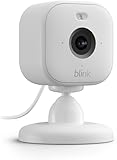
Check each product page for other buying options. Price and other details may vary based on product size and color.
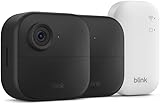
Highly rated by customers for quality and value. Click to see current pricing and customer reviews.
More Top-Rated Options



Installation and Setup Considerations

DIY vs. Professional Installation
DIY installation typically costs nothing beyond equipment purchases and offers complete control over placement and timing. Most smart security systems feature intuitive mobile apps with step-by-step guidance, making installation accessible for homeowners with basic technical skills. However, professional installation ensures optimal sensor placement, proper network configuration, and immediate system testing, typically costing $100-300.
Professional installation includes smart camera positioning optimization, smart lock integration, and comprehensive smart thermostat connectivity setup. Technicians ensure proper WiFi coverage throughout the system and configure backup communication methods for maximum reliability.
Home Assessment and Planning
Effective system planning begins with identifying vulnerable entry points, high-value areas, and optimal smart camera locations. Consider smart light placement for security integration and smart speaker locations for voice control access. Smart lock installation requires compatible door hardware and proper smart thermostat placement ensures environmental monitoring effectiveness.
Professional assessments evaluate WiFi signal strength throughout the property, identify potential interference sources, and recommend equipment placement for optimal coverage. This planning phase prevents connectivity issues and ensures all smart cameras and sensors communicate reliably with the central hub.
Network Requirements and Connectivity
Smart security systems require robust WiFi networks with sufficient bandwidth to support multiple smart cameras streaming simultaneously. Most systems need minimum 2 Mbps upload speed per camera, with 4K smart cameras requiring significantly more bandwidth. Consider mesh network solutions for larger homes to ensure consistent connectivity across all smart locks and sensors.
Backup cellular connectivity provides redundancy when internet service fails, ensuring continuous monitoring and smart speaker functionality. Many systems include battery backup for power outages, maintaining smart thermostat communication and essential security functions during emergencies.
Cost Analysis and Budgeting
Upfront Equipment Costs
Entry-level smart security systems start around $200-400 for basic packages including control panel, smart camera, door sensors, and mobile app access. Mid-range systems cost $400-800 and typically include multiple smart cameras, smart lock integration, smart speaker compatibility, and enhanced smart light automation features.
Premium systems range from $800-1,500 with professional-grade smart cameras, comprehensive smart thermostat integration, advanced sensors, and full smart home ecosystem compatibility. Equipment financing options often spread costs over 24-36 months, making premium systems more accessible.
Monthly Service Fees and Subscriptions
Professional monitoring services range from $15-60 monthly depending on service level and features included. Basic monitoring covers intrusion detection and emergency response, while premium plans include smart camera cloud storage, advanced smart lock features, and enhanced mobile app functionality.
Cloud storage subscriptions for smart cameras typically cost $3-10 monthly per camera, though some systems offer bundled storage for multiple devices. Smart speaker integration and smart thermostat monitoring may require additional subscription fees depending on the chosen platform.
Long-term Value and ROI
Homeowners insurance discounts of 5-20% often offset monthly monitoring costs, with some insurers offering larger discounts for comprehensive systems including smart cameras and smart locks. Property value increases of 3-5% are common with professionally installed systems featuring smart home integration.
Energy savings through smart thermostat integration and smart light automation can reduce utility costs by 10-15% annually. The peace of mind value, combined with potential theft prevention and insurance savings, typically justifies system costs within 2-3 years of installation.
Privacy and Security Considerations
Data Protection and Encryption
Leading smart security systems employ end-to-end encryption for all communications between smart cameras, sensors, mobile apps, and cloud servers. This encryption ensures that even if data is intercepted, it remains unreadable to unauthorized parties. Smart lock communications and smart speaker interactions require similar protection levels to prevent unauthorized access attempts.
Local storage options provide additional privacy control, allowing smart cameras to record directly to hub devices without cloud transmission. However, cloud storage offers redundancy and remote access benefits that many homeowners find essential for effective smart thermostat monitoring and comprehensive security management.
Privacy Settings and Controls
Modern systems provide granular privacy controls through mobile apps, allowing users to designate privacy zones where smart cameras won’t record and customize smart light automation without compromising personal space. Smart speaker integration includes options to disable listening features during specific hours or in designated rooms.
Users maintain control over data sharing with third parties, emergency services access protocols, and smart thermostat data usage. Regular privacy setting reviews ensure continued protection as smart home ecosystems expand with additional smart cameras, smart locks, and connected devices.
Future Trends and Emerging Technologies
AI and Machine Learning Advancements
Artificial intelligence continues revolutionizing smart security through predictive analytics that learn household patterns and identify anomalies automatically. Advanced smart cameras will soon recognize specific individuals, pets, and delivery personnel, customizing responses and integrating seamlessly with smart locks for automated access control.
Machine learning algorithms will enhance smart speaker interactions, enabling more natural voice commands for security system control and smart thermostat adjustments. These developments promise reduced false alarms, improved threat detection, and more intuitive smart light automation that responds to security events intelligently.
Integration with Smart City Infrastructure
Future smart security systems will connect with municipal emergency services, traffic monitoring systems, and neighborhood watch networks for enhanced community protection. Smart cameras may share anonymized data with city planning initiatives while maintaining individual privacy through advanced encryption protocols.
5G connectivity will enable real-time smart camera streaming with zero latency, improved smart lock responsiveness, and enhanced mobile app performance. This infrastructure advancement supports more sophisticated smart home integration, including advanced smart thermostat automation and responsive smart speaker interactions throughout larger properties.
Making the Right Choice for Your Home
Assessment Checklist and Decision Framework
Begin by evaluating your home’s specific vulnerabilities, including entry points requiring smart locks, areas needing smart camera coverage, and integration opportunities with existing smart speakers and smart thermostats. Consider your family’s lifestyle patterns, technical comfort level, and desired level of automation for smart lights and other connected devices.
Budget considerations should include equipment costs, ongoing monitoring fees, and potential smart home ecosystem expansion. Evaluate whether DIY installation suits your technical skills or if professional installation ensures optimal smart camera placement and comprehensive smart lock integration.
Common Mistakes to Avoid
Avoid oversizing systems with unnecessary smart cameras or sensors that exceed actual security needs and budget constraints. Don’t underestimate WiFi network requirements for supporting multiple smart devices including smart speakers and smart thermostats simultaneously.
Research vendor reputation and long-term viability carefully, as smart security systems represent multi-year commitments with ongoing mobile app updates and cloud service dependencies. Ensure contract terms allow for system expansion and smart home integration growth without excessive penalties or equipment compatibility issues.
Related Articles You Might Like