
After testing over 50 smart home devices and living with both Amazon and Google ecosystems for years, I can tell you that choosing between Alexa and Google Home isn’t straightforward. While Amazon currently holds about 70% of the smart speaker market compared to Google’s 22%, market share doesn’t tell the whole story.
Smart speakers have completely transformed how we interact with our homes. I’ve watched these devices evolve from simple music players to full-fledged home control centers. But here’s the thing – the “best” choice really depends on what you’re trying to accomplish and which tech ecosystem you’re already invested in.
Sound familiar? Let me break down everything you need to know to make the right choice.
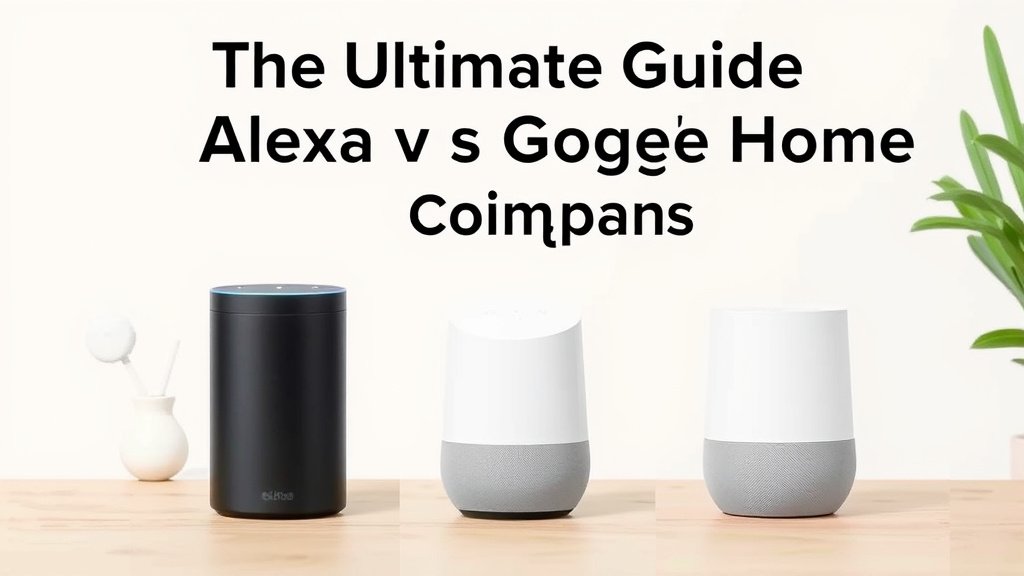
Smart Speaker Ecosystems: Amazon Alexa vs Google Assistant
Amazon Alexa Platform Overview
Amazon built Alexa with a voice-first philosophy that’s pretty genius when you think about it. The Alexa Skills Kit has created a massive developer ecosystem. We’re talking over 130,000 skills available. That’s like having an app store specifically for voice commands.
What I love about Amazon’s approach? Their commitment to hardware diversity. You’ve got everything from the tiny Echo Dot to the premium Echo Studio. Plus third-party devices from companies like Sonos and Bose. And Amazon’s been aggressive about adding features – I’ve seen my Echo devices gain new capabilities through software updates that felt like getting a new device.
Google Assistant Platform Overview
Google took a different route. They leveraged their search dominance and natural language processing expertise instead. Rather than skills, Google focuses on “Actions” that feel more conversational and contextual.
When I ask Google complex questions, it often understands the nuance better than Alexa. Trust me on this one.
Google’s strength lies in integration with their services ecosystem. Using Gmail, Google Calendar, YouTube, and Android devices? The synergy is impressive. I’ve found Google Assistant particularly strong at understanding follow-up questions without repeating context.
Core Technology Differences
The fundamental difference? Amazon prioritized expanding functionality through third-party developers. Google focused on making their core AI assistant incredibly smart.
Both approaches have merit, but they create different user experiences.
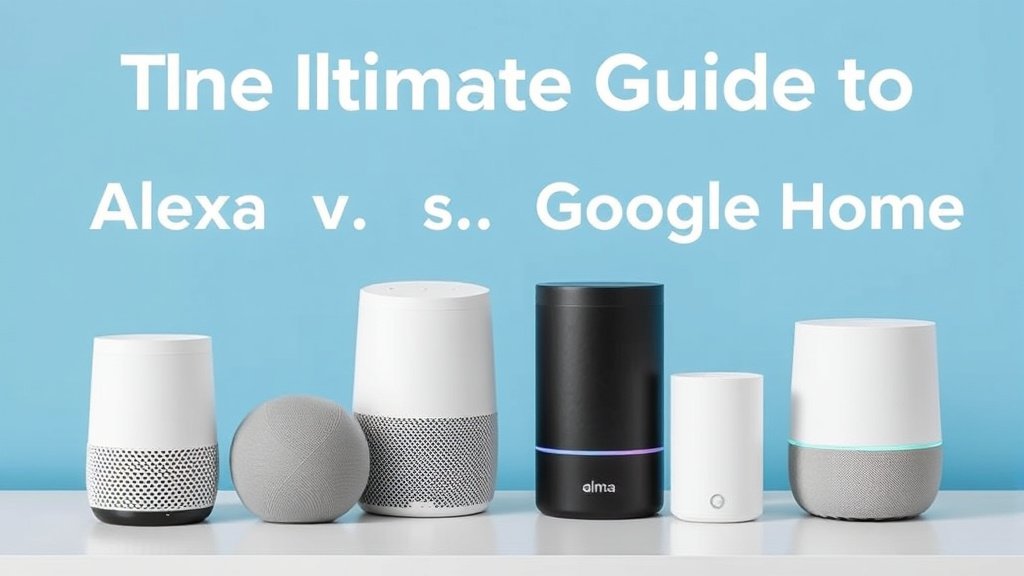
Voice Recognition and Response Quality
Accuracy in Voice Recognition
After countless tests in my own home, both platforms are remarkably accurate in quiet environments. But here’s where it gets interesting – in my kitchen with the dishwasher running and kids playing, Google Assistant consistently outperforms Alexa at understanding commands.
The wake word performance differs too. “Alexa” is punchy and rarely triggers accidentally. Meanwhile, “Hey Google” sometimes activates when I’m not trying to summon it. However, you can change Alexa’s wake word to “Echo,” “Amazon,” or “Computer.” Pretty handy.
Natural Language Processing
This is where Google really shines. I can ask Google, “What’s the weather like?” Then follow up with “How about tomorrow?” It understands I’m still talking about weather.
With Alexa? I often need to be more explicit: “Alexa, what’s tomorrow’s weather?”
Google’s search integration makes a huge difference here. When I ask obscure questions about historical events or current news, Google provides more detailed, accurate responses. Alexa’s gotten better, but it still feels more scripted.
Response Intelligence and Context Understanding
Google wins the conversation flow game. Hands down. It remembers context better and handles complex, multi-part questions more naturally. Alexa excels at clear, direct commands but struggles with conversational nuance.
Both support multiple user profiles now. Fantastic for families. They’ll recognize different voices and provide personalized responses for calendars, music preferences, and shopping lists.
Smart Home Integration and Control
Compatible Smart Home Devices
Here’s where Alexa dominates. I’ve connected over 30 different smart home brands to my Alexa setup. The compatibility list keeps growing. From major players like Philips Hue and Nest to smaller manufacturers, Alexa support is almost guaranteed.
Google Home’s compatibility has improved dramatically. But you’ll still encounter devices that work with Alexa but not Google. It’s frustrating when you find the perfect smart switch only to discover it doesn’t play nice with your Google ecosystem.
Setup and Configuration Process
Both platforms have streamlined device setup significantly. Alexa’s device discovery is slightly more reliable in my experience. It finds new devices faster and with fewer hiccups. Google’s setup process is cleaner visually but sometimes requires more manual intervention.
The real difference? Advanced configuration. Alexa’s routines are more flexible and can trigger based on a wider variety of conditions. I’ve created routines that activate when specific people arrive home, when outdoor temperature hits certain thresholds, or when motion is detected in specific rooms.
Advanced Automation Features
Google’s routines are getting better. They’re still more limited than Alexa’s though. However, Google excels at natural language routine creation. You can say “Hey Google, every weekday at 7 AM, turn on the coffee maker and tell me the weather,” and it’ll create that routine automatically.
Alexa requires more manual setup but offers finer control. The new Alexa app (finally) makes routine creation much more intuitive than the old version.
Entertainment and Media Capabilities
Music Streaming Services
This often comes down to your existing subscriptions. Alexa defaults to Amazon Music but works great with Spotify, Apple Music, and others. Google naturally prioritizes YouTube Music but supports most major services. Except Apple Music. Which is annoying if you’re in that ecosystem.
Sound quality varies dramatically by device model. The Echo Studio sounds incredible for the price. The Nest Audio provides surprisingly rich sound for a mid-range speaker. For serious listening? Both ecosystems support high-end third-party speakers.
Video and Display Features
Google’s integration with YouTube and Chromecast devices is seamless. I can start a video on my phone and easily cast it to my TV using voice commands.
Alexa’s video capabilities have improved with Fire TV integration. Not quite as smooth though.
Smart displays tell a different story. The Echo Show lineup offers more size options and generally better hardware. Google’s Nest Hub focuses on simplicity and photo display features.
Gaming and Interactive Content
Alexa’s skills include hundreds of voice games. From trivia to interactive stories. Some are genuinely entertaining, especially for kids. Google’s selection is smaller but often higher quality, with better integration into Google’s broader gaming initiatives.
Daily Assistant Features and Productivity
Calendar and Schedule Management
Google Calendar integration is obviously superior with Google Assistant – it’s native and seamless. However, Alexa’s calendar support has expanded to include Google Calendar, Outlook, and Apple Calendar with decent functionality.
Both handle basic scheduling well. But Google provides more natural interaction. I can say “Schedule lunch with Sarah next Tuesday” and Google will create the event and even suggest times based on my availability.
Information Queries and Search
No contest here. Google wins decisively. Its search capabilities leverage the same technology that powers Google Search.
When I ask about restaurant hours, current events, or random facts? Google provides more accurate, up-to-date information.
Alexa has improved significantly but still feels like it’s searching a limited database compared to Google’s comprehensive web knowledge.
Communication and Messaging
Both platforms offer calling and messaging. The experience varies by your existing phone ecosystem though. Google integrates better with Android phones, while Alexa works well regardless of your mobile platform.
The Drop In feature on Echo devices is fantastic for family communication. It’s like an intercom system throughout your house. Google’s equivalent Broadcast feature works but feels less polished.
Privacy and Security Comparison
Data Collection and Storage Policies
Both companies collect voice data to improve their services. They handle it differently though. Google’s data collection is more integrated across all their services. This provides better functionality but raises privacy concerns for some users.
Amazon keeps Alexa data somewhat separate from your shopping history. Though the lines have blurred with features like voice purchasing.
Privacy Controls and User Options
Both platforms now offer comprehensive privacy controls. You can delete voice recordings, disable human review of recordings, and set up automatic deletion schedules.
Google’s privacy dashboard is more comprehensive. Amazon’s controls are more straightforward.
The mute buttons work reliably on both platforms. I’ve tested extensively and haven’t found evidence of either device listening when muted.
Recommended for You
🛒 Echo Dot 5Th Gen
As an Amazon Associate we earn from qualifying purchases.
Security Features and Encryption
Both use encryption for voice data transmission and storage. Google’s security practices are generally more transparent. Amazon has made significant improvements following early privacy controversies.
For smart home control? Both platforms support secure device communication, though implementation varies by device manufacturer.
Device Options and Pricing
Entry-Level Smart Speakers
The Echo Dot and Nest Mini are both excellent entry points under $50. The latest Echo Dot has better sound quality and a more useful LED display. The Nest Mini offers cleaner design and superior far-field voice recognition.
Both go on sale frequently. I’ve seen them drop to $20-25 during major shopping events.
Premium Models and Smart Displays
For premium audio, the Echo Studio ($200) competes well against the Google Nest Audio ($100) and discontinued Google Home Max. The Studio offers spatial audio and impressive bass response.
Smart displays range from the compact Echo Show 5 ($85) to the large Echo Show 15 ($250). Google’s Nest Hub ($100) and Nest Hub Max ($230) offer fewer size options but excellent photo display features.
Value Proposition Analysis
Amazon’s frequent sales and Prime member discounts often make Echo devices more affordable long-term. Google’s pricing is more consistent but with fewer promotional opportunities.
Consider the total ecosystem cost. If you’re buying multiple devices, Amazon’s broader range offers more flexibility for different room sizes and budgets.
Pros and Cons Summary
Amazon Alexa Advantages and Disadvantages
Strengths:
- Massive skills ecosystem with 130,000+ options
- Superior smart home device compatibility
- More hardware options across price ranges
- Better shopping integration and voice purchasing
- More flexible automation routines
- Drop In and intercom features
Weaknesses:
- Less natural conversation flow
- Weaker search and general knowledge responses
- Can feel more robotic in interactions
- Privacy concerns with Amazon’s data practices
Google Home Advantages and Disadvantages
Strengths:
- Superior natural language processing
- Excellent search and information retrieval
- Better integration with Google services ecosystem
- More conversational and contextual responses
- Cleaner, more intuitive app design
- Strong multi-user recognition
Weaknesses:
- Fewer compatible smart home devices
- Limited third-party skill ecosystem
- Less flexibility in automation routines
- Occasional accidental wake word activation
- Fewer hardware options
Which Smart Speaker Should You Choose?
Best Choice for Different User Types
Choose Alexa if you:
- Want maximum smart home device compatibility
- Plan to use voice shopping features
- Prefer extensive third-party skills and integrations
- Need multiple device types for different rooms
- Want the most flexible automation options
- Are an Amazon Prime member
Choose Google Home if you:
- Use Google services extensively (Gmail, Calendar, Photos)
- Prioritize natural conversation and search capabilities
- Have an Android phone ecosystem
- Want cleaner, simpler device management
- Value superior general knowledge responses
- Prefer minimalist hardware design
Ecosystem Compatibility Considerations
Look at your existing devices and services. If you’re deep in Apple’s ecosystem, neither platform integrates perfectly. But Alexa offers slightly better compatibility.
Android users will find Google Home more seamless. The choice is more neutral for Windows or cross-platform users.
Future-Proofing Your Decision
Both platforms continue evolving rapidly. Amazon’s focus on expanding partnerships suggests broader device compatibility will continue. Google’s AI improvements indicate more natural, intelligent interactions ahead.
Neither choice locks you in permanently. You can always add devices from the other ecosystem or switch entirely. Though you’ll lose some integration benefits.
Making Your Decision
After years of testing both platforms extensively, I can honestly say both Alexa and Google Home are capable smart speaker systems. Different strengths though.
Your choice should align with your priorities and existing technology ecosystem.
Smart home control your primary goal? Alexa’s broader compatibility and advanced routines make it the safer choice. Want the most intelligent, conversational assistant that leverages Google’s search expertise? Google Home delivers a more natural experience.
Can’t decide? Consider starting with one entry-level device to test the waters. The Echo Dot and Nest Mini are inexpensive ways to explore each ecosystem before committing to a full smart home setup.
The smart speaker landscape continues evolving rapidly. Both Amazon and Google are pushing boundaries in AI, privacy, and smart home integration. Whichever you choose today, you’re getting access to technology that seemed like science fiction just a few years ago.
What matters most for your specific situation? Think about that question, and the right choice will become clear.
Related Articles You Might Like