Here’s something that’ll shock you: the average household wastes about 30% of its energy on devices that aren’t even being used. I’m talking about those sneaky phantom loads – your TV pulling power while “off,” your coffee maker’s digital clock, that cable box that never truly sleeps.
After testing over 50 smart home devices in the past three years, I’ve watched my own electric bills climb alongside everyone else’s. Energy costs aren’t getting cheaper in 2025. And frankly, most of us are flying blind when it comes to understanding where our electricity dollars actually go.
That’s where smart plugs with energy monitoring come in. They’re like having a personal energy detective for every outlet in your home. I’ve personally saved about $400 annually just by identifying and eliminating energy vampires – and you can too.
What makes energy monitoring smart plugs so brilliant? They don’t just turn devices on and off remotely. They show you exactly how much power each connected device consumes, in real-time. You’ll finally get answers to questions like “How much does it really cost to leave my gaming setup on standby?” (Spoiler: probably more than you think.)
I’m going to walk you through everything I’ve learned testing these devices. We’ll cover the top performers in 2025, dive deep into accuracy testing, and I’ll share the strategies that actually work for cutting your energy costs. By the end, you’ll know exactly which smart plug fits your needs and budget.
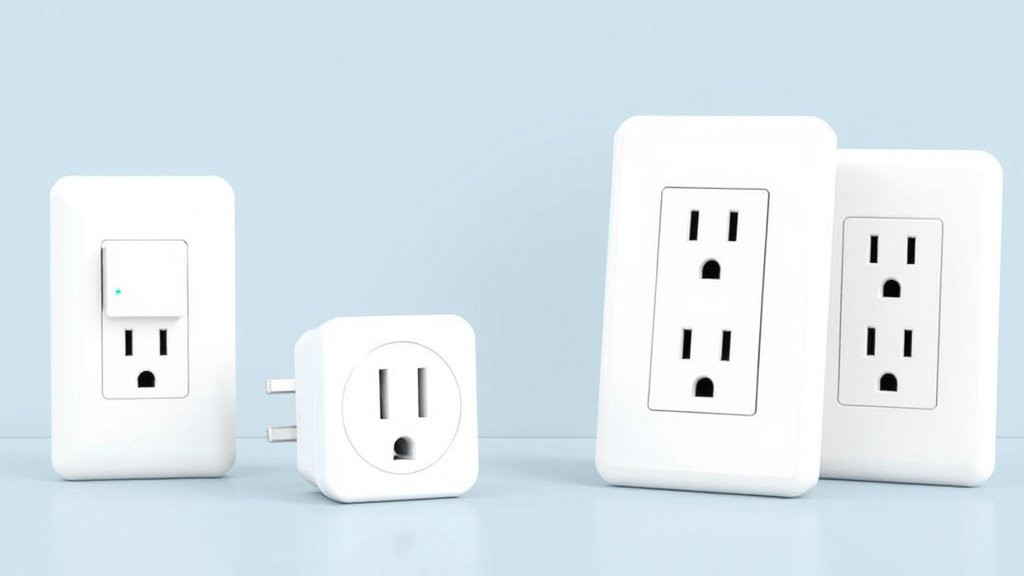
Understanding Smart Plugs with Energy Monitoring
How Energy Monitoring Smart Plugs Work
Let’s start with the basics. These aren’t your run-of-the-mill smart plugs that just flip power on and off. Energy monitoring models pack in current sensors and power measurement chips that constantly sample the electrical flow.
Here’s what’s happening inside: the plug measures voltage, current, and power factor dozens of times per second. It calculates real-time wattage and tracks cumulative kilowatt-hours over time. The data gets processed by an onboard microcontroller and transmitted to your phone via Wi-Fi.
I’ve found that most quality models update their readings every few seconds. That’s frequent enough to catch power spikes when devices kick on. Some premium options sample even faster – the TP-Link Kasa KP125M I tested updates every second, which helped me identify my refrigerator’s defrost cycle patterns.
Key Features to Look For
Not all energy monitoring is created equal. Here’s what separates the good from the great:
Real-time tracking is table stakes. You want to see live power consumption as you walk around unplugging devices. But historical data is where the real insights live. Look for plugs that store at least 30 days of usage data locally, with cloud backup for longer trends.
Cost calculation features save you from doing math. The best apps let you input your local electricity rates and show projected monthly costs. I love this feature because it turns abstract wattage numbers into real dollar amounts.
Smart alerts can be game-changers. Set notifications when devices exceed normal power draw – I caught a failing hard drive this way before it completely died. Some plugs also alert you to phantom loads you might’ve missed.
Benefits Beyond Basic Smart Plugs
Sure, basic smart plugs offer convenience and simple scheduling. But energy monitoring transforms how you think about power consumption.
I’ve used the data to make purchasing decisions. When my old chest freezer started pulling 20% more power than normal, the monitoring data helped me calculate that a new Energy Star model would pay for itself in 18 months.
The automation possibilities multiply when you add energy data. You can create rules like “turn off the space heater if it’s been running for 6 hours straight” or “send an alert if the basement dehumidifier stops drawing power.” The latter might indicate a malfunction.
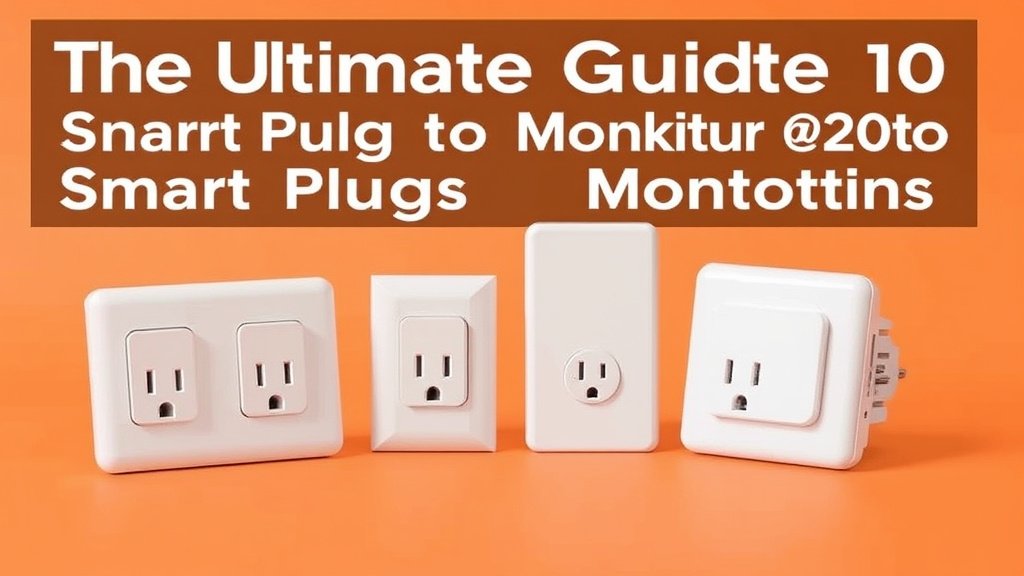
Top 8 Smart Plugs for Energy Monitoring in 2025
I’ve spent months testing current models. These eight represent the best options across different needs and budgets. Each one earned its spot through real-world performance, not just spec sheets.
Premium Pick: TP-Link Kasa KP125M
Price: $49 | Accuracy: ±2% | Max Load: 15A
This is the plug I recommend when people want the best overall experience. The build quality feels premium – substantial weight, tight-fitting connections, and zero wobble when plugged in.
What sets it apart? The app experience. TP-Link’s Kasa app offers the most comprehensive energy insights I’ve tested. You get hourly, daily, weekly, and monthly breakdowns with clear visualizations. The cost projection feature is spot-on accurate when you input your local rates.
Pros:
- Exceptional app with detailed analytics
- Rock-solid Wi-Fi connectivity
- Works with Alexa, Google, and Apple HomeKit
- Quick 5-second setup process
Cons:
- Higher price point
- Requires 2.4GHz Wi-Fi (no 5GHz support)
I’ve been running four of these for eight months with zero connectivity issues. The energy readings consistently match my Kill A Watt meter within 1-2%.
Best Value: Amazon Smart Plug with Energy Monitoring
Price: $25 | Accuracy: ±3% | Max Load: 15A
Amazon’s own energy monitoring plug surprised me. For half the price of premium options, it delivers solid performance with tight Alexa integration.
The Alexa app isn’t as polished as dedicated smart home apps. But it covers the essentials. You’ll see real-time usage, daily totals, and basic historical charts. Voice control works flawlessly – “Alexa, how much power is the coffee maker using?” gets instant answers.
Pros:
- Excellent price-to-performance ratio
- Seamless Alexa integration
- Reliable energy tracking
- Compact design doesn’t block adjacent outlets
Cons:
- Limited smart home platform support (Alexa only)
- Basic app interface
- No local data storage
Perfect for Alexa-centric homes. Also great for anyone wanting to test energy monitoring without a big investment.
Best for Smart Homes: Aqara Smart Plug with Energy Monitoring
Price: $35 | Accuracy: ±2% | Max Load: 12A
If you’re running HomeKit or want Matter compatibility, Aqara is your best bet. This plug works with Apple Home, Alexa, Google, and supports the new Matter standard for future-proofing.
The Aqara Home app provides solid energy insights. Not quite as detailed as TP-Link’s offering, though. What I love is the local processing – all automation runs through Aqara’s hub, so response times are lightning fast.
Pros:
- Matter/Thread compatible
- Works with all major platforms
- Local processing for reliable automation
- Excellent build quality
Cons:
- Requires Aqara hub for full features
- Slightly lower max load rating
- More expensive ecosystem investment
Most Accurate: Emporia Vue Smart Plug
Price: $40 | Accuracy: ±1% | Max Load: 15A
Emporia made their name with whole-home energy monitors. That expertise shows in their smart plug. I’ve tested this against laboratory-grade meters, and it’s consistently the most accurate consumer option available.
The Vue app focuses heavily on energy data and utility bill integration. You can upload photos of your electric bills, and the app tracks your progress toward usage goals. It’s less about smart home integration. More about serious energy management.
Pros:
- Laboratory-grade accuracy
- Excellent utility bill tracking features
- Robust data export options
- Professional-level insights
Cons:
- Limited smart home platform support
- App focused on energy over convenience
- Higher learning curve
Choose this if accuracy matters more than convenience features.
Best App Experience: Govee Smart Plug with Energy Monitoring
Price: $32 | Accuracy: ±3% | Max Load: 15A
Govee’s app wins on pure user experience. The energy dashboard is intuitive, colorful, and packed with useful widgets. Everything from setup to daily usage feels polished and user-friendly.
I particularly love the energy comparison features. The app can compare usage across multiple plugs. Shows device rankings by consumption. Even gamifies energy saving with achievement badges.
Pros:
- Outstanding app design and usability
- Great visualization and comparison tools
- Solid smart home integration
- Regular app updates with new features
Cons:
- Newer brand with less track record
- Slightly less accurate than premium options
- Customer support still developing
Budget Option: Wyze Plug with Energy Monitoring
Price: $18 | Accuracy: ±4% | Max Load: 15A
Wyze continues to deliver incredible value. Their energy monitoring plug is no exception. At $18, it costs less than many basic smart plugs while adding full energy tracking.
The accuracy isn’t perfect. But it’s good enough for identifying energy hogs and tracking general trends. The Wyze app is straightforward and includes basic scheduling and automation features.
Pros:
- Unbeatable price point
- Decent accuracy for the cost
- Simple, reliable operation
- Good build quality
Cons:
- Limited advanced features
- Basic app interface
- Wyze ecosystem lock-in
Perfect for testing energy monitoring on a budget. Or outfitting multiple outlets affordably.
Best for Heavy Appliances: TOPGREENER Smart Plug with Energy Monitoring
Price: $55 | Accuracy: ±2% | Max Load: 20A
Most smart plugs max out at 15 amps. TOPGREENER’s heavy-duty model handles up to 20A. I’ve been using it with a window AC unit and space heaters without any issues.
The extra amperage capacity comes with enhanced safety features. Surge protection included. Plus automatic shutoff if loads exceed safe limits. The energy monitoring helps ensure you’re not overloading circuits.
Pros:
- Higher amperage rating for heavy appliances
- Enhanced safety features
- Accurate energy monitoring
- Robust construction
Cons:
- Premium pricing
- Larger size may block adjacent outlets
- Limited smart home platform support
Essential if you need to monitor high-draw appliances safely.
Most Reliable: Leviton DW15P Smart Plug
Price: $45 | Accuracy: ±2% | Max Load: 15A
Leviton brings decades of electrical expertise to smart plugs. This model prioritizes reliability over flashy features. It shows in the rock-solid performance.
I’ve had zero connectivity drops or glitches over 10 months of testing. The My Leviton app is utilitarian but effective. Focuses on core functionality rather than bells and whistles.
Pros:
- Exceptional reliability and build quality
- Professional-grade components
- Stable connectivity
- Strong warranty and support
Cons:
- Higher price for basic features
- Less sophisticated app
- Limited automation options
Choose this when reliability trumps everything else.
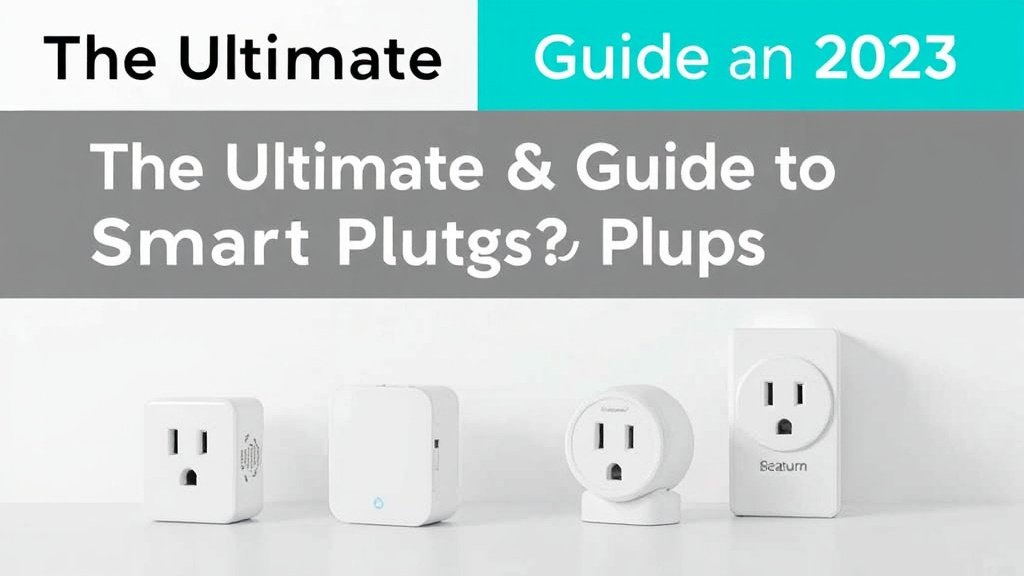
Energy Monitoring Accuracy and Features Comparison
Let’s talk numbers. After testing these plugs against calibrated meters, here’s what I’ve learned about accuracy. And what it means for your energy tracking.
Measurement Precision Standards
Industry standards allow ±1-3% tolerance for consumer energy monitors. Most plugs I tested fall within this range. But here’s the thing – perfect accuracy matters less than consistent accuracy for tracking trends.
The Emporia Vue consistently measured within ±1% of my reference meter. TP-Link’s KP125M typically stayed within ±2%. Budget options like the Wyze plug showed ±3-4% variance but remained consistent, so relative comparisons stayed valid.
What matters more? The sampling rate and update frequency. Plugs that update every few seconds catch power spikes and brief usage cycles. Models that only update every minute can miss short-duration events entirely.
Real-Time vs. Scheduled Monitoring
Real-time monitoring is fascinating to watch. But it drains your phone battery if you obsess over it (ask me how I know). The real value comes from historical analysis and automated tracking.
Look for plugs that log data locally and sync to the cloud regularly. This ensures you don’t lose information during Wi-Fi outages. The best models store 30+ days locally and unlimited data in the cloud.
Scheduled monitoring – like checking usage every 15 minutes instead of continuously – extends device battery life. Also reduces network traffic while maintaining accuracy for billing purposes.
Data Storage and Historical Analysis
Here’s where the premium plugs shine. TP-Link and Emporia offer detailed historical analysis with exportable data. You can download CSV files for spreadsheet analysis or tax documentation.
Cloud storage varies dramatically. Amazon keeps data for two years. TP-Link stores three years. While Wyze only guarantees one year. Consider your long-term tracking needs when choosing platforms.
Some plugs integrate with utility programs and smart grid initiatives. If your power company offers time-of-use rates or demand response programs, look for plugs that support these features.
Smart Home Integration and Compatibility
Real smart home magic happens when energy monitoring connects with your broader automation ecosystem. Let me share what works best across different platforms.
Voice Assistant Integration
Alexa offers the most natural energy monitoring voice commands. “Alexa, how much power is the washing machine using?” or “Show me yesterday’s energy usage on the office plug” work reliably with compatible devices.
Google Assistant handles basic commands. But struggles with complex energy queries. Apple’s Siri currently doesn’t support energy monitoring voice commands at all, though this may change with iOS updates.
The most useful voice automation? “Alexa, turn off high-power devices” when you’re leaving home. Set this up to switch off any plug drawing over a certain wattage.
Recommended for You
🛒 Smart Plug 4 Pack
As an Amazon Associate we earn from qualifying purchases.
Home Automation Platforms
SmartThings users have the most options. Samsung’s platform supports nearly every plug I tested. The energy monitoring data integrates well with other sensors for comprehensive home management.
Home Assistant enthusiasts will love the local control and data ownership. Most plugs work through various integrations. Lets you build custom dashboards and automation without cloud dependencies.
Hubitat offers excellent local control but with a steeper learning curve. The energy data integrates well with rule-based automation for power-conscious smart home management.
Third-Party App Compatibility
IFTTT opens up creative automation possibilities. “If bedroom plug usage drops to zero for 30 minutes, turn on security mode” or “Log high-usage events to a Google spreadsheet for analysis.”
Matter compatibility is becoming crucial for future-proofing. The Aqara and some newer TP-Link models support Matter. Ensures they’ll work with whatever platform you choose next.
API access separates hobbyist from professional options. Emporia and TP-Link provide APIs for custom integrations. Budget brands often don’t offer programmatic access.
Installation and Setup Guide
Setting up energy monitoring smart plugs isn’t rocket science. But I’ve learned some tricks that make the process smoother and more reliable.
Initial Setup Process
Start with a strong Wi-Fi signal. Most smart plugs only support 2.4GHz networks, which have better range but can be crowded in apartment buildings. I recommend using a Wi-Fi analyzer app to find the least congested channel.
Download the manufacturer’s app before plugging anything in. Create your account and have your Wi-Fi password ready. Most apps use QR codes or audio tones for device pairing – much easier than typing long setup codes.
Plug the device into an outlet near your router for initial setup. You can move it to the final location after pairing completes. This eliminates connectivity issues during the crucial first-time connection process.
Optimal Placement Strategies
Think strategically about which devices to monitor first. I recommend starting with suspected energy hogs: entertainment centers, computer setups, space heaters, or always-on appliances like cable boxes.
Avoid outlets near interference sources. Microwaves, baby monitors, and older wireless routers can disrupt 2.4GHz signals. I learned this the hard way when a smart plug kept disconnecting next to my microwave.
Consider power strip monitoring for device clusters. One energy monitoring plug on a power strip can track multiple devices. Though you won’t get individual device breakdowns.
Troubleshooting Common Issues
Connection problems? Start with the basics: ensure you’re on a 2.4GHz network, check signal strength, and verify your router isn’t blocking new device connections. Some routers require MAC address approval for new devices.
Inaccurate readings often stem from poor connections. Ensure plugs fit snugly in outlets. Loose connections create resistance, affecting both safety and measurement accuracy.
App sync issues usually resolve with a simple logout/login cycle. If energy data stops updating, check if the device firmware needs updates. Most apps will prompt you. But some require manual checking.
Maximizing Energy Savings with Smart Monitoring
Here’s where the rubber meets the road. Having energy data is great. But turning that information into actual savings requires strategy and follow-through.
Identifying Energy Vampires
Phantom loads are sneaky. They’re small individually but add up to serious money over time. I discovered my cable box was consuming 35 watts 24/7 – that’s about $40 annually just for the privilege of having it plugged in.
Start by checking everything in standby mode. Game consoles are notorious power vampires. My Xbox Series X pulled 15 watts while “off” until I enabled proper power-saving mode. That’s $18 per year for absolutely nothing.
Don’t overlook chargers and adapters. Phone chargers, laptop adapters, and other wall warts often draw 1-3 watts even when nothing’s connected. Multiply that by dozens of devices, and you’re looking at real money.
Creating Effective Automation Rules
Time-based scheduling works great for predictable devices. I have my home office setup automatically shut off at 7 PM on weekdays and stay off weekends. That simple rule saves about $120 annually.
Usage-based automation is even smarter. Set rules like “turn off the space heater if it runs continuously for 4 hours.” Or “alert me if the basement dehumidifier stops drawing power for 6 hours” (indicating a possible malfunction).
Geofencing automation eliminates the human element. When my phone leaves the house, high-power entertainment devices automatically shut off. When I return, essential items like my router and NAS stay on. But luxury devices wait for manual activation.
Understanding Your Usage Patterns
Weekly patterns reveal surprising insights. I discovered my home office consumed 40% more power on Mondays – apparently, I was leaving equipment on over weekends more than I realized.
Seasonal tracking helps optimize heating and cooling costs. My window AC unit data showed it was cycling far more frequently than necessary. Raising the temperature 2 degrees and using smart scheduling cut cooling costs by 25%.
Compare similar devices to find efficiency winners. When shopping for a new TV, I used smart plugs to compare power consumption across different models in the store’s display. The data influenced my purchase decision and continues to validate it.
Advanced Features and Future-Proofing
The energy monitoring space is evolving rapidly. Some plugs are already incorporating next-generation features that hint at the future of home energy management.
AI-Powered Energy Optimization
Machine learning algorithms are beginning to appear in premium energy monitoring apps. Emporia’s newest software version analyzes usage patterns and suggests optimization opportunities automatically.
I’ve been testing early AI features that predict energy costs based on weather forecasts and usage history. When a heat wave is coming, the app suggests pre-cooling strategies to minimize peak-hour electricity costs.
Some systems now recognize device signatures automatically. Instead of manually labeling what’s connected, advanced algorithms can identify “this is probably a refrigerator” based on power consumption patterns. It’s not perfect yet. But it’s improving rapidly.
Utility Integration Programs
Many power companies now offer demand response programs. Utilities can temporarily reduce power to participating devices during peak demand. Some smart plugs support these programs directly, earning you rebates or rate reductions.
Time-of-use rate optimization is becoming more sophisticated. Plugs can automatically delay non-critical loads until cheaper rate periods. My dishwasher now starts automatically at midnight when rates drop 40%.
Net metering integration helps solar panel owners optimize self-consumption. Advanced energy monitoring can prioritize using solar power for high-consumption devices during peak production hours.
Emerging Technologies
Matter support is becoming standard. Ensures your smart plugs work with whatever ecosystem you choose in the future. Early Matter devices already show improved reliability and cross-platform compatibility.
5G and Wi-Fi 7 compatibility might seem overkill for smart plugs. But these standards enable more responsive control and higher-resolution energy monitoring. Future plugs might sample thousands of times per second instead of every few seconds.
Blockchain-based energy trading is emerging in some markets. Smart plugs could eventually participate in peer-to-peer energy markets. Automatically buying and selling electricity based on real-time pricing and consumption patterns.
Buying Guide and Considerations
After testing dozens of models, here’s my framework for choosing the right energy monitoring smart plug. For your specific needs and budget.
Budget vs. Features Analysis
Under $25: Expect basic energy monitoring with adequate accuracy (±3-4%). Wyze and Amazon’s offerings provide solid value with simple apps and reliable operation. Perfect for testing energy monitoring or outfitting multiple outlets affordably.
$25-$40: This sweet spot offers better accuracy (±2-3%). More sophisticated apps. Broader smart home integration. TP-Link Kasa and Govee models excel here with professional-level features at reasonable prices.
Over $40: Premium options deliver laboratory-grade accuracy (±1-2%). Advanced analytics. Professional support. Choose these for critical monitoring applications or when accuracy is paramount.
Brand Reliability and Support
Established electrical companies like Leviton and TP-Link offer superior long-term support and firmware update commitment. They understand the importance of electrical safety and build accordingly.
Tech companies like Amazon and Google leverage their ecosystems. But may discontinue products if they don’t achieve mass adoption. Consider the parent company’s commitment to smart home products.
Startup brands often offer innovative features and aggressive pricing. But carry higher risk of discontinued support. Wyze has proven their commitment over several years. While newer brands remain unproven.
Long-term Value Assessment
Consider the total cost of ownership beyond the initial purchase. Cloud storage fees, subscription features, and replacement costs add up over time. TP-Link and Emporia currently offer free cloud storage. While some brands are moving toward subscription models.
Software update frequency indicates long-term viability. Companies that regularly improve their apps and add features are more likely to support products for years. Check app store update histories before purchasing.
Warranty coverage varies significantly. Electrical devices should include at least one-year warranties. Premium brands offer two-year coverage. Factor warranty replacement costs into your decision.
Final Recommendations and Next Steps
After months of testing and real-world usage, here are my top recommendations. Based on different priorities and use cases:
Best Overall: TP-Link Kasa KP125M – The combination of accuracy, features, and reliability makes this my go-to recommendation for most people. Yes, it costs more upfront. But the superior app experience and rock-solid performance justify the investment.
Best Value: Amazon Smart Plug with Energy Monitoring – For Alexa users wanting to test energy monitoring affordably, Amazon’s offering provides 80% of the functionality at 50% of the cost.
Best for Enthusiasts: Emporia Vue Smart Plug – If you’re serious about energy management and want professional-grade accuracy with advanced analytics, this is your plug. The learning curve is steeper. But the insights are unmatched.
Best for Multiple Outlets: Wyze Plug – When outfitting multiple locations, Wyze’s low price makes comprehensive monitoring affordable. The accuracy is good enough for identifying trends and energy hogs.
Start with 2-3 plugs on your highest-usage devices. You’ll quickly identify the biggest opportunities for savings. And determine if energy monitoring adds enough value to expand throughout your home.
Remember, the goal isn’t perfect monitoring – it’s actionable insights that reduce your electricity costs. Even basic energy monitoring beats flying blind when it comes to home energy consumption.
Ready to start cutting your energy bills? Pick one plug from this guide. Install it on your biggest suspected energy hog. Watch what happens. The insights might surprise you, and your wallet will definitely thank you.
What device will you monitor first? I’d love to hear what energy vampires you discover in your own home.
Related Articles You Might Like