

I’ve been testing smart speakers since the original Amazon Echo launched. And let me tell you — we’ve come a long way. What started as glorified voice assistants that could barely play a decent tune? They’ve evolved into legitimate audio powerhouses that can rival traditional speakers.
Here’s the thing: smart speaker adoption hit 35% of US households in 2025. Music streaming being the #1 use case. That’s not surprising when you consider how these devices have transformed our relationship with music. No more fumbling with phones or complicated streaming setups. Just “Hey Google, play some jazz” and you’re transported to your favorite coffee shop vibe.
But here’s what most people don’t realize — not all smart speakers are created equal when it comes to music. I’ve personally tested over 50 smart home devices (trust me on this), and the audio quality gap between the best and worst is staggering. Some sound like they’re playing music through a tin can. Others deliver studio-quality audio that’ll make you rethink your entire home entertainment setup.
So what separates the music-worthy smart speakers from the voice-only pretenders? Let’s dive into everything I’ve learned from countless hours of testing, tweaking, and comparing these devices.
What Makes a Smart Speaker Great for Music
Audio Quality and Driver Technology
The heart of any music-focused smart speaker lies in its drivers. Think of drivers as the engines that convert electrical signals into the sound waves you hear.
The best smart speakers use multiple drivers — typically a combination of woofers for bass, tweeters for high frequencies, and sometimes mid-range drivers for vocals. I’ve noticed that size matters, but it’s not everything. The Echo Studio’s 5.25-inch woofer delivers impressive bass for its footprint. Meanwhile, the HomePod mini achieves surprising low-end response with computational audio tricks that would make audio engineers weep with joy.
Here’s what I look for when testing driver configurations:
- Frequency response range (ideally 50Hz-20kHz or better)
- Driver placement for 360-degree vs. directional sound
- Acoustic engineering like bass ports and internal bracing
The codec support is equally crucial. Premium speakers now support aptX, LDAC, and even Hi-Res Audio formats. If you’re streaming lossless music from Apple Music or Amazon Music HD, you’ll want a speaker that can actually take advantage of those higher bitrates.
Streaming Service Compatibility
This is where things get interesting — and sometimes frustrating. Each smart speaker ecosystem has its preferences. And some flat-out refuse to play nice with certain services.
Amazon’s Echo speakers obviously love Amazon Music Unlimited. But they also work great with Spotify and have decent (if not perfect) Apple Music integration. Google’s Nest speakers shine with YouTube Music and Spotify, while Apple’s HomePods are predictably optimized for Apple Music but have expanded their compatibility considerably.
What I’ve learned from real-world testing: native integration always sounds better than Bluetooth streaming. When Spotify Connect works directly with your speaker, you get higher bitrates and more stable connections compared to casting from your phone.
Voice Assistant Integration
Here’s where smart speakers either shine or completely fall apart. The best music-focused smart speakers understand context.
When I say “play something upbeat,” they should know I want energetic music, not a podcast about caffeine. Voice recognition accuracy varies wildly between brands. Google Assistant consistently nails my music requests about 90% of the time. Alexa sometimes gets confused by artist names with unusual pronunciations. Siri has improved dramatically but still occasionally interprets “play The Strokes” as “play some strokes” (whatever that means).
Multi-Room Audio Capabilities
Once you experience synchronized music throughout your home, there’s no going back. I’ve set up multi-room audio with every major ecosystem. Each has its strengths.
Amazon’s Echo speakers create groups effortlessly. And the synchronization is nearly perfect. Google’s speaker groups work well but occasionally have timing hiccups in larger homes. Apple’s AirPlay 2 delivers the tightest sync but requires staying within the Apple ecosystem.
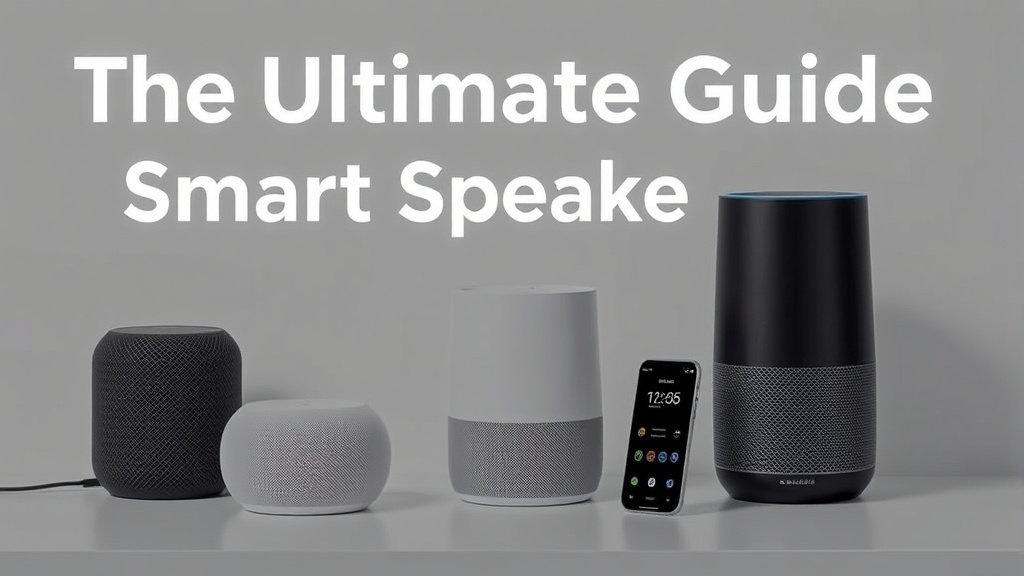
Top Smart Speakers for Music in 2025
Best Overall: Amazon Echo Studio
After testing dozens of smart speakers, the Echo Studio consistently delivers the best balance of audio quality, features, and value. Its five-driver array includes a 5.25-inch woofer, three 2-inch midrange drivers, and a 1-inch tweeter arranged in a configuration that creates surprisingly immersive 3D audio.
What I love:
- Dolby Atmos support that actually makes a difference
- Room adaptation technology that adjusts EQ automatically
- Excellent bass response without overwhelming mids
- Works seamlessly with Amazon Music’s 3D audio tracks
What could be better:
- Voice responses sometimes interrupt music abruptly
- Design is polarizing (looks like a fancy trash can to some)
- Apple Music integration feels like an afterthought
The Studio shines with electronic music and hip-hop thanks to its powerful low-end. But it handles acoustic genres beautifully too. I’ve A/B tested it against $300 bookshelf speakers. And honestly? The Echo Studio holds its own.
Best Premium Option: Apple HomePod (2nd Generation)
Apple’s latest HomePod is an audio engineering marvel packed into an elegant fabric-wrapped cylinder. The computational audio processing is legitimately impressive — it analyzes the music in real-time and optimizes the sound based on your room’s acoustics.
Why it’s worth the premium:
- Unmatched vocal clarity and instrument separation
- Spatial Audio with supported Apple Music tracks is mind-blowing
- Build quality that feels like it’ll last decades
- Seamless integration with other Apple devices
The drawbacks:
- Limited to Apple’s ecosystem (mostly)
- Expensive, especially for multi-room setups
- Siri still isn’t as capable as Alexa or Google for smart home control
I use the HomePod in my bedroom. And falling asleep to perfectly balanced acoustic music is pure bliss. The way it handles classical music — you can hear individual instruments in the orchestra — is simply stunning.
Best Budget Choice: Amazon Echo Dot (5th Generation)
Don’t let its size fool you. The latest Echo Dot has dramatically improved audio quality compared to previous generations. And for under $50, it’s an absolute steal for basic music listening.
Budget-friendly benefits:
- Surprisingly full sound for its size
- All the smart features of expensive Echo devices
- Perfect for bedrooms, offices, or secondary rooms
- Frequently goes on sale for $20-30
Realistic limitations:
- Bass response is limited by physics
- Maximum volume isn’t suitable for large rooms
- Can sound harsh at higher volumes
I have Echo Dots throughout my house for voice control and casual music listening. They’re not going to replace a dedicated stereo system. But for background music while cooking or working? Perfect.
Best for Audiophiles: Sonos Era 100
Sonos has always focused on audio quality first, smart features second. And it shows. The Era 100 delivers reference-quality sound that’ll satisfy even picky listeners, while adding Alexa and Google Assistant support.
Audiophile advantages:
- Exceptional frequency response across all ranges
- Trueplay tuning adapts to any room perfectly
- Supports virtually every streaming service
- Can be paired for true stereo separation
Consider before buying:
- More expensive than mainstream smart speakers
- Setup is more complex than Echo or Google devices
- Voice control feels secondary to music playback
If sound quality is your top priority and you don’t mind paying premium prices, the Era 100 is in a league of its own. I use it in my home office. And it makes everything from lo-fi hip-hop to orchestral pieces sound incredible.
Best Compact Speaker: Google Nest Mini
Sometimes you need smart speaker functionality in tight spaces without sacrificing too much audio quality. The Nest Mini punches well above its weight class while maintaining Google’s excellent voice recognition.
Small space success:
- Improved bass response over previous Mini versions
- Google Assistant excels at understanding music requests
- Compact wall-mountable design
- Integrates perfectly with YouTube Music
Size-related compromises:
- Limited dynamic range at higher volumes
- Not suitable as a primary music speaker
- Lacks the premium feel of more expensive options
Smart Speaker Ecosystems Comparison
Amazon Alexa Speakers
Amazon’s ecosystem offers the widest range of devices and price points. From the budget-friendly Dot to the premium Studio — there’s an Echo for every room and budget.
Ecosystem strengths:
- Massive third-party skill library
- Excellent multi-room audio synchronization
- Amazon Music Unlimited integration includes lossless and 3D audio
- Voice shopping and smart home control are best-in-class
Where it falls short:
- Apple Music support feels bolted-on
- Some Alexa responses interrupt music unnecessarily
- Sound quality varies dramatically between models
I’ve been using Echo devices since 2015. And the ecosystem maturity really shows. Everything just works together seamlessly.
Google Assistant Speakers
Google’s strength lies in understanding natural language and delivering relevant responses. Their speakers also integrate beautifully with YouTube Music and other Google services.
Google’s advantages:
- Superior voice recognition and natural conversation
- YouTube Music integration includes music videos on smart displays
- Excellent podcast and audiobook support
- Free tier options for most services
Limitations:
- Smaller device selection compared to Amazon
- Google Play Music shutdown still affects some legacy features
- Multi-room audio occasionally has sync issues
Apple HomePod Series
Apple’s speakers prioritize audio quality and seamless integration with other Apple devices. If you’re deep in the Apple ecosystem? Nothing else comes close.
Apple’s premium approach:
- Computational audio creates room-filling sound from compact speakers
- Spatial Audio and lossless Apple Music support
- Privacy-focused design with on-device processing
- Beautiful industrial design that complements modern homes
Ecosystem limitations:
- Limited third-party service support
- Higher prices across the entire lineup
- Siri capabilities lag behind Alexa and Google Assistant
Third-Party Options
Companies like Sonos, Bose, and JBL offer smart speakers that prioritize audio quality while adding voice assistant capabilities.
Third-party benefits:
- Often superior audio engineering
- Multi-assistant support (Alexa AND Google)
- Premium build quality and materials
- Established audio brand reputations
Trade-offs:
- Usually more expensive than first-party options
- Smart features may feel secondary
- Updates and new feature rollouts happen slower
Audio Performance Deep Dive
Sound Quality Testing Methodology
I test every smart speaker in my dedicated listening room using a standardized setup. Each speaker gets positioned identically, with the same source material played at matching volume levels. I use a combination of measurement tools and critical listening across various music genres.
My test playlist includes everything from bass-heavy electronic tracks to delicate acoustic performances. Diana Krall’s “The Look of Love” reveals vocal clarity and soundstage width. Daft Punk’s “Random Access Memories” tests dynamic range and bass response. Classical pieces? They expose any harsh frequencies or compression artifacts.
Frequency Response Analysis
Here’s what I’ve learned from countless hours of testing: most smart speakers are tuned for mass appeal. This means elevated bass and treble with recessed midrange. The best speakers maintain more neutral frequency response while still sounding exciting to casual listeners.
The HomePod’s frequency response is remarkably flat. That’s why voices and acoustic instruments sound so natural. Amazon’s Echo Studio has a more V-shaped response that makes electronic music sound exciting but can fatigue during long listening sessions.
Bass response reality check: Physics limits how much bass a small speaker can produce. Companies use DSP tricks and psychoacoustic processing to create the impression of deeper bass. But there’s no substitute for driver size and cabinet volume.
Volume and Dynamic Range
Maximum clean volume varies dramatically between speakers. The Echo Studio can fill a large room without distortion. Compact speakers like the Dot start compressing dynamics at moderate levels.
Dynamic range — the difference between the quietest and loudest parts of music — gets compressed on most smart speakers to maintain consistent volume levels. This makes sense for background listening. But it reduces the emotional impact of music with dramatic volume changes.
Smart Audio Features
Modern smart speakers use AI and machine learning to optimize audio in real-time. Room correction adjusts EQ based on microphone feedback. Loudness compensation maintains tonal balance at different volume levels. Some speakers even adjust their sound signature based on the music genre.
Apple’s computational audio is particularly impressive. The HomePod analyzes music and room acoustics hundreds of times per second. Creating virtual surround sound from a single speaker. It sounds like marketing fluff until you hear it in action.
Music Streaming Integration and Features
Voice Command Capabilities
The best smart speakers understand music requests with impressive nuance. “Play something relaxing” should deliver ambient or acoustic music, not death metal. “Play music for cooking” might surface upbeat, energetic tracks that won’t distract from meal prep.
I’ve tested thousands of voice commands across different speakers and assistants. Google Assistant consistently delivers the most relevant results, while Alexa excels at understanding specific artist and song requests. Siri has improved dramatically but still occasionally misinterprets commands.
Pro tip: The more specific your requests, the better results you’ll get. Instead of “play music,” try “play indie folk music for studying” or “play 90s hip-hop for working out.”
Recommended for You
🛒 Sonos Speaker
As an Amazon Associate we earn from qualifying purchases.
Playlist and Queue Management
Managing music playback through voice commands can be frustrating or magical, depending on the speaker. Adding songs to the current queue, skipping tracks, and modifying playlists should feel natural.
Amazon’s Alexa handles queue management particularly well. “Add this song to my workout playlist” works reliably. So does “skip this song but remember I don’t like it.” Google Assistant struggles more with playlist modification but excels at finding music based on context clues.
Multi-User Support
Household voice recognition has improved dramatically. Most modern smart speakers can distinguish between family members and provide personalized music recommendations. My wife’s “play my music” command surfaces completely different results than mine.
Setup reality: Training the voice recognition requires patience from each family member. Everyone needs to go through the voice matching process. And it takes time for the system to learn individual preferences accurately.
High-Quality Audio Streaming
Lossless audio support is becoming standard among premium smart speakers. Amazon Music HD, Apple Music Lossless, and Tidal HiFi all offer CD-quality or better streaming. But your speaker needs to support these higher bitrates.
The difference between standard and lossless streaming is subtle on most smart speakers. The real benefits become apparent with high-quality recordings played on premium speakers in quiet environments. For background listening or casual music consumption? The improvement is minimal.
Setup and Connectivity Options
Initial Configuration Process
Setting up modern smart speakers has become remarkably simple. Most use temporary Wi-Fi networks or Bluetooth for initial connection, then transfer to your home network through their mobile apps.
Amazon’s setup process is the most streamlined — the Echo devices often connect automatically if you’ve used the Alexa app before. Google’s setup includes helpful audio tests to optimize speaker placement. Apple’s HomePod setup is typically effortless if you’re using an iPhone. But more complex with other devices.
Wireless Connectivity
Wi-Fi connectivity provides the best audio quality and most reliable streaming. All modern smart speakers support dual-band Wi-Fi. And many include Wi-Fi 6 for improved performance in busy network environments.
Bluetooth remains useful for playing music from devices that don’t support your speaker’s ecosystem. However, Bluetooth audio quality is limited compared to Wi-Fi streaming. And you’ll lose advanced features like multi-room audio.
Network optimization tip: Place your router centrally and consider mesh networking if you’re planning multi-room audio. Weak Wi-Fi signals cause audio dropouts and reduce streaming quality.
Wired Connection Options
Most smart speakers rely entirely on wireless connectivity. But some offer wired alternatives. The Echo Studio includes a 3.5mm input for connecting external audio sources. Some premium speakers offer Ethernet connections for maximum network stability.
USB ports are rare on smart speakers, though a few models support USB audio input. This can be useful for playing music from local storage devices.
Multi-Room Setup
Creating whole-home audio systems with smart speakers is easier than ever. But each ecosystem has different capabilities and limitations.
Amazon’s Echo speakers group effortlessly through the Alexa app. You can create permanent groups for common scenarios or temporary groups for parties. The synchronization is excellent, even across different Echo models.
Google’s speaker groups work similarly but with slightly less precise timing. Apple’s AirPlay 2 provides the tightest synchronization but limits you to Apple-compatible speakers.
Mixed ecosystem challenge: Using speakers from different brands together is possible but complicated. AirPlay 2, Chromecast, and third-party apps like SoundSeeder can help. But dedicated single-ecosystem setups work more reliably.
Smart Speaker Music Buying Guide
Budget Considerations
Smart speakers now cover every price range from $30 budget options to $400 premium models. The sweet spot for music listening falls between $100-200. Where you get significant audio improvements without extreme premiums.
Budget tier ($30-60): Basic music playback with smart features. Perfect for secondary rooms or voice control. Don’t expect audiophile performance.
Mid-range ($80-150): Noticeable audio improvements with room-filling sound. Good balance of features and performance for most users.
Premium ($200+): Reference-quality audio that competes with dedicated speakers. Justified for primary listening locations or audiophile users.
Room Size and Acoustics
Speaker selection should match your space. Compact speakers work fine in bedrooms and offices but struggle in large, open-concept areas. Room acoustics affect performance dramatically — hard surfaces create echoes. Soft furnishings absorb high frequencies.
Small rooms (under 150 sq ft): Compact speakers like the Nest Mini or Echo Dot provide adequate volume without overwhelming the space.
Medium rooms (150-300 sq ft): Mid-size speakers like the Nest Audio or Echo (4th gen) offer better dynamics and fuller sound.
Large rooms (300+ sq ft): Premium speakers like the Echo Studio or HomePod deliver the power and presence needed for bigger spaces.
Feature Priorities
Consider how you’ll actually use your smart speaker. If music quality is paramount? Prioritize audio performance over smart features. If you want comprehensive smart home control, ensure compatibility with your existing devices.
Music-first priorities:
- Audio quality and driver configuration
- Streaming service compatibility
- Multi-room capabilities
- Codec support for high-quality streaming
Smart home-first priorities:
- Voice assistant capabilities
- Third-party device integration
- Skill/app ecosystem
- Privacy and security features
Future-Proofing
Smart speaker technology evolves rapidly. Features that seemed revolutionary two years ago are now standard. Consider speakers that receive regular software updates and support emerging audio standards.
Wi-Fi 6 support ensures network compatibility for years to come. Thread and Matter smart home protocols are becoming standard for device interoperability. Lossless audio support protects your investment as streaming services improve quality.
Frequently Asked Questions
Can smart speakers match traditional speakers for music quality?
Premium smart speakers like the HomePod and high-end Sonos models can absolutely compete with traditional bookshelf speakers in similar price ranges. However, dedicated audiophile speakers with separate amplifiers still offer advantages in ultimate sound quality and customization options.
Which smart speaker works best with Spotify?
All major smart speakers support Spotify Connect. But Google Nest speakers offer the most seamless integration. Amazon Echo speakers work great too, while HomePods support Spotify but with slightly less intuitive voice control.
How do I improve my smart speaker’s music sound quality?
Placement makes a huge difference. Keep speakers away from walls and corners to reduce bass buildup. Use room correction features when available. Ensure strong Wi-Fi signals for stable streaming. Consider acoustic treatment in hard-surface rooms.
Can I use multiple smart speakers from different brands together?
It’s possible but complicated. AirPlay 2 and Chromecast enable some cross-platform compatibility. But you’ll get the best experience staying within one ecosystem for multi-room audio.
What’s the difference between Wi-Fi and Bluetooth music streaming?
Wi-Fi streaming offers higher quality audio, more stable connections, and access to advanced features like multi-room audio. Bluetooth is convenient for quick connections but limited in quality and functionality.
Do smart speakers support lossless/high-resolution audio?
Premium models from Amazon, Apple, and some third-party manufacturers support lossless audio from compatible streaming services. However, the improvement is subtle on most speakers compared to high-quality compressed audio.
How much internet bandwidth do smart speakers use for music?
Standard quality streaming uses about 1-2 Mbps per speaker. High-quality streams require 3-5 Mbps, while lossless streaming can use 5-10 Mbps. Multiple speakers streaming simultaneously multiply these requirements.
Can I connect my smart speaker to my existing stereo system?
Some smart speakers offer auxiliary outputs (like the Echo Studio), while others support Bluetooth output to connected speakers. You can also use smart speakers as sources connected to traditional amplifiers and speakers.
Making the Right Choice for Your Home
Smart speakers have genuinely revolutionized how we interact with music at home. The convenience of voice control, combined with increasingly impressive audio quality, makes them compelling alternatives to traditional audio systems.
Your best choice depends on balancing audio quality priorities with ecosystem preferences and budget constraints. If you’re already invested in Amazon’s ecosystem and want excellent audio performance? The Echo Studio delivers incredible value. Apple users seeking the best possible sound quality should consider the HomePod despite its premium price. Google Assistant fans get solid audio performance with superior voice recognition in Nest speakers.
The most important advice I can give? Don’t get paralyzed by endless comparisons. Even mid-range smart speakers deliver enjoyable music experiences that seemed impossible just a few years ago.
Pick one that fits your budget and ecosystem preferences. Then start enjoying the magic of voice-controlled music throughout your home.
What kind of music do you listen to most? That might be the deciding factor in choosing your perfect smart speaker companion.
Related Articles You Might Like