

Understanding Voice Assistants in Smart Home Ecosystems
What Makes a Voice Assistant ‘Smart Home Ready’
Modern smart home devices require more than basic voice recognition—they demand intelligent central hubs that orchestrate your entire connected ecosystem. A truly “smart home ready” voice assistant transcends simple command responses, integrating seamlessly with IoT protocols like Zigbee, Z-Wave, and the emerging Matter standard. These sophisticated devices automatically discover and configure new smart home products, from your smart thermostat to your smart lock system, creating a unified control experience.
The defining characteristic of smart home-ready assistants lies in their contextual intelligence and ability to maintain device states across your entire ecosystem. When you say “goodnight,” an advanced system simultaneously dims smart lights, locks doors, adjusts temperature, and arms security cameras. This orchestration requires sophisticated backend processing, extensive compatibility databases, and deep integration capabilities that separate premium smart home devices from basic smart speakers.
Key Features to Look for in 2025
Revolutionary AI learning capabilities now define the smart home assistant landscape. Today’s leading smart home devices leverage machine learning to decode your routines, preferences, and speech patterns with remarkable precision. Advanced natural language processing handles complex, conversational commands like “make the living room comfortable for movie night”—automatically coordinating lighting, temperature, and entertainment settings without requiring specific device names.
Multi-user voice recognition has evolved beyond simple identification to deliver truly personalized experiences. When family members interact with your smart speaker, the system recognizes individual voices and responds with customized information, music preferences, and calendar access. Edge computing capabilities dramatically reduce response latency, making voice control of time-sensitive devices like smart locks more reliable and secure than ever before.
Privacy features have transformed from premium add-ons to essential requirements, with local processing options, granular voice recording controls, and end-to-end encrypted communications now standard across quality smart home devices.
Compatibility and Integration Considerations
Your voice assistant’s ecosystem compatibility determines both immediate functionality and long-term expansion potential. While platform-specific devices offer deeper integration, cross-platform compatibility ensures flexibility as your smart home needs evolve. The Matter standard’s widespread adoption in 2025 enables seamless communication between previously incompatible smart home devices, regardless of manufacturer brand loyalty.
Strategic ecosystem selection requires careful evaluation of “lock-in” factors. Amazon’s Alexa delivers exceptional integration with Ring security devices and Echo products, while Google Assistant creates natural synergy with Nest thermostats and Chromecast entertainment systems. Apple’s HomeKit, though more restrictive in device selection, provides superior privacy and security for compatible smart home products.
Beyond standard Wi-Fi connectivity, evaluate support for specialized protocols that unlock advanced smart home functionality. Zigbee and Z-Wave compatibility enables connection to battery-powered devices like smart locks and sensors without overwhelming your home network bandwidth. Thread protocol support future-proofs your investment, as leading manufacturers transition to this efficient, mesh-capable standard for next-generation smart home communication.

Top 10 Voice Assistant Products for 2025
Premium Tier Voice Assistants
**Amazon Echo Studio (2025 Edition)** dominates the premium segment through its spatial audio processing and integrated Zigbee hub functionality. This flagship smart speaker delivers audiophile-quality sound while serving as a comprehensive controller for smart home devices. Its sophisticated soundscape creation makes it ideal for high-end installations where audio quality cannot be compromised. The device effortlessly manages everything from smart lights to smart cameras through voice commands, while its enhanced microphone array ensures reliable voice recognition even during loud music playback.
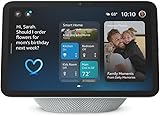
**Google Nest Hub Max Pro** revolutionizes smart home control by combining a large 10-inch display with cutting-edge AI capabilities. This visual command center excels at displaying smart camera feeds, smart thermostat controls, and lighting management interfaces. Its gesture recognition technology enables touchless control, while the enhanced processor handles complex automation routines without hesitation.
**Apple HomePod Pro** represents Apple’s commitment to premium smart home integration within the secure HomeKit ecosystem. Despite its higher price point, it delivers unparalleled privacy protection and seamless integration with iPhone, iPad, and Mac devices. The spatial audio technology and adaptive EQ create exceptional experiences for music lovers seeking sophisticated smart home control.
Mid-Range Smart Home Hubs
**Amazon Echo Dot (6th Generation)** demonstrates that powerful smart home control doesn’t require premium pricing. This compact smart speaker includes built-in Zigbee support, enabling direct connection to hundreds of smart home devices without additional hubs. Its improved audio quality and faster response times make it perfect for bedroom, kitchen, or office installation where space matters.
**Google Nest Audio Plus** achieves an excellent balance between audio performance and smart home functionality. The device’s adaptive sound technology adjusts output based on room acoustics while maintaining crystal-clear voice recognition for smart home commands. Deep integration with Google’s ecosystem makes controlling smart thermostats, smart lights, and entertainment systems remarkably intuitive.
**Samsung Galaxy Home 2** offers unique value for Samsung ecosystem users, featuring deep integration with Galaxy smartphones, Samsung smart TVs, and SmartThings-compatible devices. The device’s multi-directional speakers and Bixby voice assistant provide reliable smart home control with Samsung’s distinctive approach to ambient computing.
Budget-Friendly Options
**Amazon Echo Pop Enhanced** delivers essential smart home functionality at an accessible price point. Despite its compact footprint, this smart speaker supports complete Alexa capabilities, including smart light control, smart lock management, and basic automation routines. It’s perfect for users beginning their smart home journey or needing additional voice control points throughout larger homes.
**Google Nest Mini (3rd Gen)** remains a compelling budget choice, especially for Google ecosystem integration. While lacking advanced audio features, it provides dependable voice control for smart home devices and seamless casting to compatible displays and speakers throughout your connected home.
Specialized and Niche Solutions
**Sonos Era 300 with Voice Control** targets discerning audiophiles who refuse to compromise sound quality for smart home functionality. This premium smart speaker supports both Alexa and Google Assistant while delivering Sonos’s renowned audio performance. Its spatial audio capabilities and Trueplay room tuning technology create immersive listening experiences that complement sophisticated smart home automation.
**Aqara Hub M3** represents the DIY smart home enthusiast’s ultimate device, supporting multiple protocols including Zigbee 3.0, Matter, and Thread simultaneously. While requiring greater technical knowledge, it offers unprecedented flexibility for complex smart home installations and custom automation scenarios that basic smart home devices cannot accommodate.

Comparison Matrix: Features and Specifications
Technical Specifications Breakdown
Processing power fundamentally determines how effectively your voice assistant manages smart home devices and responds to complex commands. Premium devices like the Echo Studio feature dedicated neural processing units that handle complex AI tasks locally, dramatically reducing latency for time-sensitive commands like smart lock operation or smart camera activation. This local processing capability becomes crucial when internet connectivity fluctuates or during high-demand periods.
Audio specifications prove essential when your smart speaker serves dual roles as entertainment device and smart home controller. The Echo Studio delivers 5-driver spatial audio with automatic room calibration, while the HomePod Pro offers computational audio with real-time acoustic analysis. Budget options like the Echo Dot provide adequate audio for voice feedback but limited music performance compared to premium alternatives.
Connectivity options directly impact your smart home expansion potential and device compatibility. Built-in Zigbee hubs eliminate the need for separate smart home bridges, while Wi-Fi 6E support ensures stable connections in congested network environments. Thread border router capabilities future-proof your investment as more manufacturers adopt this efficient protocol for next-generation smart home devices.
Smart Home Integration Capabilities
Platform compatibility creates the foundation for smart home device selection and long-term ecosystem growth. Amazon Alexa supports the broadest device ecosystem, with over 100,000 compatible products ranging from smart lights to smart thermostats from hundreds of manufacturers. Google Assistant excels at natural language processing and contextual understanding, making complex smart home commands more intuitive and conversational. Apple HomeKit offers superior security and privacy but supports fewer third-party devices, requiring careful compatibility research.
Protocol support determines which smart home devices can connect directly to your voice assistant without additional hubs or bridges. Zigbee integration allows connection to battery-powered devices like smart locks and motion sensors without additional hardware investments. Z-Wave support extends compatibility to professional-grade smart home products, while Matter certification ensures cross-platform functionality and future compatibility.
Response accuracy and processing speed become critical factors for reliable smart home control in real-world environments. Premium devices achieve 95%+ voice recognition accuracy in typical home environments with background noise, while budget options may struggle with accented speech or competing audio sources. Local processing capabilities reduce dependency on internet connectivity for basic smart home commands, ensuring consistent functionality.
Price vs. Value Analysis
Entry-level smart home devices like the Echo Dot provide exceptional value under $50, including Zigbee hub functionality that would cost additional money with competing platforms. These budget options deliver comprehensive smart home control without sacrificing essential features, making them ideal for first-time buyers or multi-room installations.
Mid-range options around $100-200 add enhanced audio quality, display capabilities, and advanced processing power without sacrificing smart home integration features. These devices strike the optimal balance for users seeking both entertainment value and comprehensive automation control in a single device.
Premium devices justify higher costs through superior audio engineering, advanced AI capabilities, and comprehensive smart home integration that eliminates the need for multiple devices. The Echo Studio’s spatial audio and built-in smart home hub functionality provide compelling value for users prioritizing both high-quality entertainment and sophisticated automation capabilities.

Smart Home Integration Deep Dive
Setting Up Your Voice Assistant as a Smart Home Hub
Strategic network planning transforms your voice assistant into a comprehensive smart home command center. Position your primary smart speaker centrally to ensure reliable voice recognition throughout your home while considering Wi-Fi signal strength for optimal smart home device communication. Modern voice assistants like the Echo Studio include built-in Zigbee hubs, eliminating separate bridges when connecting smart lights, smart locks, and sensors to create a unified ecosystem.
Smart lighting integration provides the perfect starting point, offering immediate feedback that demonstrates your system’s capabilities. Leading platforms like Philips Hue, LIFX, and Sengled offer extensive voice control options through natural language commands, from simple on/off controls to complex scene management. Progress systematically to climate control by connecting your smart thermostat—devices like Nest, Ecobee, and Honeywell integrate seamlessly with major voice platforms for hands-free comfort management.
Security device integration requires careful planning to balance convenience with safety protocols. Smart locks from August, Yale, and Schlage provide convenient voice control while maintaining robust security features. Smart cameras from Ring, Arlo, and Nest offer voice-activated monitoring and integration with broader security routines. Establish clear voice commands and user permissions to prevent unauthorized access while maintaining family-friendly convenience.
Popular Smart Home Device Categories
**Lighting and Ambiance Control** represents the most popular smart home category, where voice assistants excel at managing complex lighting scenes and automated schedules. Smart lights from major manufacturers support dimming, color changes, and scheduling through intuitive voice commands. Advanced systems enable room-by-room control and integration with entertainment systems for immersive experiences that respond to movies, music, and daily routines.
**Climate and Comfort Management** extends far beyond basic temperature control to include humidity monitoring, air quality management, and HVAC optimization. Smart thermostats learn your preferences and adjust automatically based on occupancy, weather, and time of day, while voice control provides immediate comfort adjustments without leaving your current location or interrupting activities.
**Security and Monitoring Systems** benefit enormously from voice integration, enabling hands-free monitoring and control that enhances both security and convenience. Smart cameras provide voice-activated live feeds on compatible displays, while smart locks offer secure voice-based access control with user-specific permissions and temporary guest access capabilities.
**Entertainment and Media Integration** transforms voice assistants into comprehensive entertainment controllers that manage complex multi-room systems. Integration with smart TVs, streaming devices, and multi-room audio systems creates seamless entertainment experiences controlled through natural language commands that eliminate the need for multiple remotes or apps.
Advanced Automation and Routines
Sophisticated automation routines leverage your voice assistant’s AI capabilities to create intelligent responses combining voice commands, schedules, and sensor inputs. Morning routines might gradually brighten smart lights, adjust your smart thermostat for optimal comfort, and provide personalized weather updates and calendar information. Evening routines can secure smart locks, arm smart cameras, and create comfortable lighting for relaxation or entertainment.
Conditional automation adds remarkable intelligence to basic routines by considering dynamic factors like occupancy, weather conditions, and time of day. Your smart thermostat might adjust more aggressively when smart cameras detect no motion, while smart lights adapt to natural light levels throughout the day to maintain consistent ambiance and optimize energy efficiency.
Voice-activated scenes combine multiple smart home devices into cohesive experiences that transform your living space instantly. “Movie night” might dim smart lights, lower your smart thermostat, close automated blinds, and activate your entertainment system simultaneously. “Good morning” routines can be uniquely personalized for individual family members based on voice recognition, delivering customized news, music, and device settings.
Privacy and Security Considerations
Data Collection and Storage Practices
Contemporary voice assistant privacy policies offer unprecedented control over data collection and storage, responding to growing consumer awareness and regulatory requirements. Amazon Alexa enables users to review, delete, and prevent storage of voice recordings, while Google Assistant provides detailed activity logs and automatic deletion options. Understanding what data your smart speaker collects beyond voice commands—including device usage patterns, routine information, and connected smart home device status—empowers informed privacy decisions that protect your family’s personal information.
Local processing capabilities have become increasingly crucial for privacy-conscious users seeking smart home convenience without cloud dependency. Devices with edge computing can handle basic smart home commands without sending data to remote servers, reducing exposure while maintaining full functionality. Apple’s HomeKit leads this privacy-focused trend with extensive on-device processing for smart home operations, while Amazon and Google have introduced local processing for common commands and routine management.
Smart home device integration multiplies privacy considerations exponentially, as your voice assistant becomes aware of daily routines, security system status, and home occupancy patterns. Comprehensive privacy protection requires reviewing policies for all connected smart home devices, not just your primary smart speaker, as data sharing between manufacturers can create unexpected privacy implications that extend beyond your initial device selection.
Voice Recording Policies
Modern voice assistants employ sophisticated wake word detection algorithms to minimize always-listening concerns while maintaining responsive performance. Understanding recording policies remains crucial for informed decision-making, as most platforms record and store voice interactions for service improvement but offer comprehensive opt-out options and regular deletion schedules. Amazon’s Alexa provides automatic deletion options ranging from 3 months to 18 months, while Google Assistant offers immediate deletion and prevents human review when privacy mode is enabled.
False wake word activations can trigger unintended recordings, making wake word sensitivity adjustment important for privacy protection without sacrificing functionality. Contemporary devices provide clear visual and audible indicators when actively recording, while physical mute buttons offer absolute control over microphone access during sensitive conversations or private moments.
Guest and visitor privacy requires special consideration through enabling guest mode or temporary device restrictions when hosting gatherings. Many smart home devices can pause recording or limit functionality during specific time periods, protecting visitor privacy while maintaining essential automation functions that keep your home comfortable and secure.
Securing Your Smart Home Network
Network security forms the critical foundation of smart home privacy, with voice assistants potentially serving as entry points for malicious actors seeking access to personal information. Implement robust Wi-Fi encryption (WPA3 when available), unique passwords for all smart home devices, and regular firmware updates across your ecosystem. Consider network segmentation to isolate smart home devices from computers and smartphones containing sensitive personal and financial information.
Two-factor authentication adds essential security layers for voice assistant accounts and connected smart home services that contain valuable personal data. Enable this protection for Amazon, Google, and Apple accounts, as compromise of these primary accounts can provide unauthorized access to your entire smart home ecosystem, including smart locks and smart cameras that protect your physical security.
Regular security audits help identify potential vulnerabilities in your expanding smart home network before they become serious threats. Review connected devices quarterly, remove unused integrations, and monitor for suspicious activity through your voice assistant’s activity logs and connected device reports that can reveal unauthorized access attempts.
Installation and Setup Guide
Pre-Installation Planning
Successful voice assistant installation demands comprehensive network assessment and strategic device placement planning that considers both current needs and future expansion. Evaluate your home’s Wi-Fi coverage thoroughly, identifying dead zones that might affect smart home device connectivity and performance. Modern smart speakers require stable internet connections for cloud processing, while smart home devices need reliable local network access for responsive control that meets user expectations.
Create a detailed floor plan marking optimal voice assistant locations, considering both acoustic coverage and central positioning for Zigbee/Z-Wave device communication throughout your home. Primary smart speakers should be positioned away from noise sources like TVs or kitchen appliances, while satellite devices can extend voice control to bedrooms, offices, and secondary areas that need smart home access.
Comprehensive inventory of existing smart home devices and compatibility research prevents costly mistakes and ensures seamless integration. Note device protocols (Wi-Fi, Zigbee, Z-Wave) and manufacturer ecosystem preferences to guarantee smooth operation. Consider future expansion plans when selecting your primary voice platform, as migration between ecosystems can be complex, expensive, and time-consuming.
Step-by-Step Setup Process
**Initial Device Configuration** begins with downloading the appropriate smartphone app (Alexa, Google Home, or Apple Home) and creating or signing into your account with strong security credentials. Position your smart speaker in its intended location before beginning setup, as initial acoustic calibration often occurs during this process and affects long-term performance.
**Network Connection and Calibration** involves connecting to your Wi-Fi network and completing acoustic tuning procedures that optimize performance for your specific room. Devices like the Echo Studio and HomePod automatically analyze room acoustics and adjust audio output accordingly. Speak clearly during voice training sequences to improve recognition accuracy for all household members, ensuring reliable smart home control.
**Smart Home Device Integration** proceeds systematically by device category for optimal results. Begin with smart lights as they provide immediate visual feedback and demonstrate your system’s capabilities effectively, building confidence for more complex integrations as you expand your connected home ecosystem.
Transform your living space into an intelligent, responsive environment that anticipates your needs and simplifies daily routines. Whether you’re starting with a single smart speaker or planning a comprehensive whole-home automation system, the right voice assistant serves as the foundation for years of expanding smart home capabilities. Choose the device that matches your current needs while providing room for growth—your future self will appreciate the foresight when new smart home devices seamlessly integrate into your existing ecosystem.
Ready to experience the convenience of voice-controlled smart home devices? Start with one of our top-rated voice assistants and discover how intelligent automation can enhance your daily life while providing the security, comfort, and entertainment your family deserves.

Check each product page for other buying options.
Highly rated by customers for quality and value. Click to see current pricing and customer reviews.
More Top-Rated Options


Related Articles You Might Like