
- Key Takeaways
- AI Predicts Your Morning Needs
- *Saves Time, Reduces Stress**
- *Essential Tools and Devices**
- Configure Your AI Scheduler
- Connect Your Calendar Apps
- Set Priority Task Rules
- Define Time Block Preferences
- Input Energy Level Patterns
- Establish Recurring Activity Templates
- Personalizing AI Learning Patterns
- Privacy Risks and Data Overreach
- Investment Analysis: Free vs. Premium
- Fixing Misfires and Glitches
- Step-by-Step Setup Walkthrough
- Tracking Progress and Adjusting Settings
- Frequently Asked Questions
- Can AI Routines Work Offline or Do They Require Constant Internet Connection?
- How Long Does It Take for AI to Accurately Learn My Habits?
- Can Multiple Family Members Use the Same AI Routine System Simultaneously?
- Will AI Routines Adapt if I Travel to Different Time Zones?
- Can I Export My Habit Data to Use With Other Applications?
- Conclusion
- Related Reading



AI routines anticipate your habits by analyzing historical behavioral data across sleep patterns, productivity windows, and task completion rates. You’ll configure systems like Reclaim.ai or Todoist to integrate with your calendar, then input energy level patterns and biometric context. The AI identifies recurring activities, automates predictable tasks, and allocates demanding work to your peak performance windows—reclaiming approximately 2.5 hours weekly while eliminating up to 35,000 daily micro-decisions. Continuous monitoring through analytics dashboards refines algorithmic precision as machine learning adapts to your behavioral patterns for increasingly accurate predictions.
Key Takeaways
- AI analyzes sleep patterns and biometric data to optimize wake-up timing and automate morning routines like coffee brewing and temperature control.
- Intelligent schedulers eliminate decision fatigue by automating 35,000 daily choices, reclaiming 2.5 hours weekly for strategic priorities.
- Machine learning identifies peak productivity windows from historical patterns to automatically schedule demanding tasks during high-energy periods.
- AI creates recurring activity templates by recognizing behavioral patterns, reducing manual scheduling and maintaining routine consistency.
- Continuous feedback loops refine AI predictions, adapting task management and environmental controls to evolving user preferences and behaviors.
AI Predicts Your Morning Needs

When your alarm triggers at 6:30 AM, AI systems have already spent hours analyzing your sleep patterns, movement data, and historical preferences to orchestrate your ideal wake-up environment.
Your wake-up isn’t spontaneous—AI has already orchestrated hours of invisible analysis to engineer your ideal morning emergence.
The Eight Sleep Pod Cover’s algorithms monitor your REM cycles, pre-warming your mattress surface 30 minutes before emergence to minimize sleep inertia. Simultaneously, your smart technology network executes coordinated tasks: Amazon Alexa adjusts thermostats to your preferred 68°F, while automated blinds calibrate incoming light levels based on circadian rhythm enhancement.
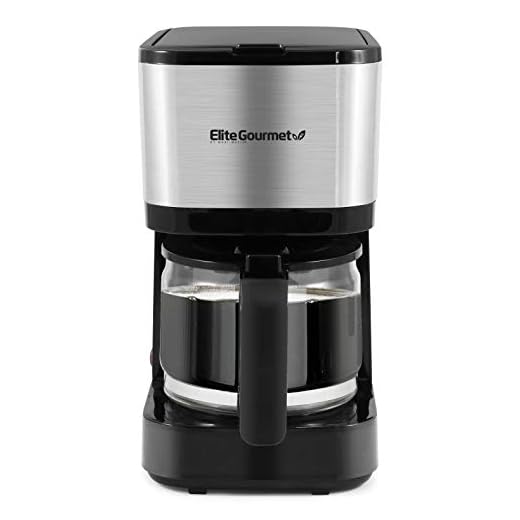
Your morning routines become predictive rather than reactive. AI-enabled coffee makers initiate brewing sequences timed precisely to your bathroom duration, ensuring ideal beverage temperature upon kitchen arrival.
Spotify’s AI DJ analyzes your biometric data to select high-tempo playlists during groggy periods, accelerating cognitive activation. Smart speakers like Google Home and Amazon Echo can assist with these morning routines by managing recipes, controlling music playback, and coordinating connected devices through voice commands. This orchestration isn’t convenience—it’s strategic elimination of decision fatigue, preserving your mental bandwidth for high-value tasks.
You’re not simply waking up; you’re deploying systematic protocols for performance enhancement.
*Saves Time, Reduces Stress**
As cognitive load theory demonstrates, the human brain allocates approximately 35,000 decisions daily, with mundane choices depleting glucose reserves that power executive function.
AI routines eliminate these micro-decisions by automating your daily routines, preserving cognitive capacity for strategic priorities. You’ll reclaim an average of 2.5 hours weekly through intelligent time management systems that execute repetitive tasks autonomously.
The operational advantages manifest in three dimensions:
- Decision Elimination: Your smart home adjusts lighting, temperature, and coffee preparation without conscious input, freeing mental bandwidth for high-value activities that demand strategic thinking.
- Predictive Improvement: AI analyzes your productivity patterns to restructure task sequences, maximizing output during peak cognitive performance windows.
- Calendar Automation: Scheduling algorithms prevent conflicts and improve meeting placement based on your historical efficiency data, eliminating coordination overhead.
This systematic reduction in decision-making friction translates directly to improved executive performance and measurable stress reduction. Amazon’s new AI-powered Echo devices are designed specifically to integrate with Alexa+ and deliver these experience-driven benefits through enhanced automation capabilities.
*Essential Tools and Devices**

The infrastructure requirements for AI routine implementation center on three device categories: environmental controllers, adaptive appliances, and presence-sensing systems. Environmental controllers—Amazon Alexa and Google Nest Thermostat—analyze behavioral patterns and weather data to autonomously adjust climate parameters. Kitchen appliance integration utilizes AI-powered devices like Samsung Bespoke AI Oven and LG ThinQ to recognize food items, enhance cooking protocols, and generate meal plans from inventory analysis. Smart light automation employs presence-sensing technology that detects phone proximity to execute energy-reduction protocols. For devices lacking native compatibility with your ecosystem, Homebridge acts as a bridge using a Raspberry Pi to connect incompatible smart devices to HomeKit.
| Device Category | Primary Function | Key Examples | Enhancement Capability |
|---|---|---|---|
| Environmental Controllers | Climate regulation through pattern recognition | Google Nest, Amazon Alexa | Real-time weather integration |
| Adaptive Appliances | Autonomous cooking enhancement | Samsung Bespoke AI Oven | Food recognition algorithms |
| Presence-Sensing Systems | Energy management via location tracking | Smart lights with phone detection | Automated shutdown protocols |
| Inventory Management | Dietary planning through content analysis | LG ThinQ, Samsung SmartThings | Meal suggestion algorithms |
Configure Your AI Scheduler
Configuring your AI scheduler requires systematic integration of five core components that convert reactive calendar management into proactive workflow optimization.
You’ll need to establish technical parameters across calendar connectivity, task prioritization algorithms, temporal allocation rules, circadian performance metrics, and templated activity sequences.
These configurations create a data-informed foundation that enables your AI to execute predictive scheduling decisions aligned with your measurable productivity patterns.
Connect Your Calendar Apps
When you integrate AI scheduling tools with your calendar infrastructure, the system establishes bidirectional data flows that enable real-time availability checks and conflict prevention.
Calendar integration enhances scheduling efficiency by deploying algorithmic analysis of your engagement patterns, yielding data-driven recommendations for ideal time allocation.
The AI engine processes temporal data across multiple zones, executing automatic conversions that eliminate coordination errors.
You’ll utilize machine learning capabilities that extract insights from historical behavior, enabling predictive scheduling aligned with your peak performance windows.
The system deploys automated notification protocols, maintaining temporal awareness without manual intervention.
Through strategic configuration, you’ll implement task prioritization frameworks that systematically allocate recovery intervals, maximizing operational throughput.
This methodological approach consolidates control over your temporal resources, changing fragmented scheduling into a precision-engineered system that amplifies your executive capacity.
Set Priority Task Rules
Priority task rules function as algorithmic instructions that direct your AI scheduler to allocate calendar blocks according to weighted criteria you’ve defined.
Configure parameters within platforms like Reclaim.ai by establishing hierarchical frameworks that distinguish critical deliverables from secondary obligations. Your task prioritization strategies should incorporate urgency assessment techniques that evaluate deadlines, stakeholder dependencies, and resource availability.
Tools such as Todoist analyze behavioral data to recommend ideal structuring patterns based on your historical completion rates. Implement recurring priority protocols to systematically reinforce high-value activities at peak performance intervals.
The system adapts flexibly, processing your productivity metrics to refine time-blocking recommendations. Execute quarterly audits of your priority architecture to recalibrate rules against shifting objectives.
This systematic approach alters reactive scheduling into proactive resource allocation, maximizing output while minimizing decision fatigue.
Define Time Block Preferences
Before your AI scheduler can improve task distribution, you must establish foundational time block parameters that define when specific work modalities occur throughout your calendar.
Configure dedicated intervals for deep work, tactical execution, and strategic planning by analyzing historical performance data. Tools like Reclaim.ai utilize urgency algorithms to prioritize critical deliverables within your defined blocks, ensuring high-impact tasks receive ideal cognitive resources.
Your AI system will examine past scheduling patterns to identify peak productivity windows, then recommend time block strategies aligned with your performance metrics. As you provide feedback on suggested allocations, machine learning refines future recommendations for maximum operational efficiency.
This systematic approach to effective scheduling eliminates calendar conflicts through automated availability verification, positioning you to dominate competing priorities while maintaining execution velocity across all initiatives.
Input Energy Level Patterns
Most productivity optimization fails because scheduling algorithms lack biometric context about your circadian performance variations.
You’ll gain competitive advantage by inputting your energy level patterns into AI scheduling tools, allowing them to allocate cognitively demanding tasks to your peak performance windows. These systems analyze historical data to map your natural rhythms, then strategically position deep work sessions and recovery periods accordingly.
Configure your scheduler to track energy patterns continuously—this data-driven approach creates adaptable routines that evolve with lifestyle changes.
Integration with smart home devices automates environmental variables like lighting and temperature, synchronizing your workspace conditions with your fluctuating energy states. Regular pattern updates guarantee algorithmic precision.
This methodological framework changes scheduling from static time management into fluid productivity optimization, delivering measurable improvements in output quality and cognitive endurance.
Establish Recurring Activity Templates
Energy pattern optimization provides the foundation for intelligent task allocation, but sustained productivity requires systematic automation of predictable activities.
Configure your AI scheduler to recognize recurring patterns—daily meetings, exercise sessions, meal preparation—and change them into activity templates that execute autonomously. Tools like Google Assistant and Calendly enable template creation with algorithmic time-slot suggestions derived from historical scheduling data.
Your AI analyzes behavioral patterns to recommend template adjustments, aligning tasks with documented peak performance windows. Deploy recurring reminders for maintenance activities: grocery procurement, meal preparation, administrative reviews.
Integrate explicit preferences for focus periods and recovery intervals into your templates, establishing a balanced operational framework that prevents cognitive depletion. This systematic approach eliminates manual scheduling overhead while maintaining routine consistency, altering repetitive decisions into automated processes that preserve mental resources for high-value strategic work.
Personalizing AI Learning Patterns
When you configure AI systems to recognize your behavioral patterns, you enable them to execute predictive adjustments that improve your daily workflows. Adaptive learning algorithms in devices like Google Nest Thermostat and Amazon Alexa analyze your temperature preferences and wake-up times, creating automated environmental controls.
This systematic approach to user feedback integration allows AI to enhance your operational efficiency.
Strategic Implementation Methods:
- Command Your Environment – Smart home systems recognize your presence and execute lighting adjustments, eliminating manual interventions that drain your time and focus.
- Maximize Cognitive Performance – Tools like Todoist analyze your task completion patterns to structure workflows during your documented productivity peaks, amplifying your output capacity.
- Accelerate Decision-Making – Platforms such as Notion AI generate personalized content frameworks aligned with your working methodology, reducing cognitive load and expediting project execution.
Deploy consistent user feedback to refine these patterns. Your interaction data becomes the foundation for increasingly precise predictive capabilities. Advanced pan/tilt AI cameras integrate these learning patterns to automatically adjust monitoring zones based on your household activity schedules, enhancing both security coverage and operational efficiency.
Privacy Risks and Data Overreach

While AI routines improve your productivity through behavioral analysis, they simultaneously accumulate extensive datasets that expose you to quantifiable privacy vulnerabilities. Data breaches compromise millions of records annually, altering your behavioral patterns into exploitable intelligence. Algorithm transparency remains critically limited—you’re granting user consent without comprehending the ethical implications of continuous data profiling.

| Risk Vector | Exposure Level | Mitigation Strategy |
|---|---|---|
| Data Breaches | High | End-to-end encryption |
| Unauthorized Profiling | Critical | Consent management protocols |
| Algorithmic Opacity | Severe | Demand transparency audits |
Consent management requires active enforcement, not passive acceptance. Your data protection hinges on understanding how AI systems monetize your habits through targeted manipulation. Privacy concerns escalate when companies operate beyond GDPR compliance frameworks. Assert control by auditing permissions quarterly, restricting data collection to essential functions, and leveraging privacy-first platforms that prioritize your informational sovereignty over corporate profit maximization.
Investment Analysis: Free vs. Premium
Beyond safeguarding your data, you must evaluate whether AI-powered investment analysis warrants financial commitment. Free tools deliver basic stock tracking and fundamental performance metrics, while premium platforms provide algorithm-driven investment strategies, real-time market data, and direct access to financial advisors. Your decision hinges on portfolio complexity and return optimization goals.
| Feature | Free Tools | Premium Services |
|---|---|---|
| Analytics Depth | Basic metrics, delayed data | Advanced algorithms, real-time feeds |
| Strategic Support | Limited automation | Personalized investment strategies |
| Expert Access | Self-service only | One-on-one advisor consultations |
Premium subscriptions range from $10 to $100+ monthly. Casual investors find free platforms adequate, but sophisticated portfolio management demands advanced features. You’ll gain exclusive research reports, performance metrics dashboards, and educational webinars that directly impact decision quality. Assess your investment complexity: if you’re managing substantial assets or pursuing aggressive performance metrics, premium AI tools provide measurable competitive advantages that justify subscription costs.

Fixing Misfires and Glitches

AI routines malfunction when they process outdated datasets, misinterpret user preferences, or encounter conflicting inputs from multiple connected devices. Understanding misfire causes enables you to implement targeted glitch solutions that restore system accuracy and predictive power.
Execute these corrective protocols:

- Update all systems immediately – Deploy latest firmware and application versions across your smart device ecosystem to eliminate algorithmic deficiencies that compromise your operational advantage.
- Establish performance monitoring checkpoints – Track prediction accuracy metrics weekly and provide corrective feedback to accelerate machine learning adaptation to your behavioral patterns.
- Define explicit operational parameters – Configure precise user preferences and synchronization protocols across calendar systems, task managers, and scheduling tools to eliminate data conflicts that trigger routine failures.
These interventions convert unreliable AI systems into precision instruments.
Your active calibration of algorithmic inputs and systematic integration of multiple data sources creates predictive models that consistently anticipate your requirements with measurable accuracy.
Step-by-Step Setup Walkthrough
With your AI systems calibrated and operational errors resolved, you’re positioned to construct automated routines that execute specific actions based on temporal triggers, environmental conditions, and behavioral patterns.
Begin by deploying a smart assistant—Amazon Alexa or Google Assistant—as your central command interface. Configure adaptive scheduling protocols that analyze your historical data patterns, enabling routine automation for lighting systems and climate control synchronized with your arrival metrics.
Install a Google Nest thermostat to utilize machine learning algorithms that enhance temperature regulation through predictive modeling and meteorological data integration.
Implement geofencing protocols that trigger presence-sensing mechanisms, automatically disengaging electrical systems when your mobile device exits designated perimeters—maximizing energy efficiency ratios.
Execute periodic system audits to refine algorithm parameters based on evolving behavioral datasets. This iterative enhancement process guarantees your automation framework maintains maximum operational efficiency, delivering quantifiable improvements in resource management and time allocation.
Your smart assistant becomes a strategic tool for environmental domination.
Tracking Progress and Adjusting Settings

Once your automated systems achieve operational status, continuous performance monitoring becomes crucial for maintaining optimization thresholds.
You’ll utilize extensive analytics dashboards that aggregate data from sleep monitors, fitness trackers, and smart home sensors to conduct rigorous progress evaluation. These platforms reveal actionable patterns—sleep quality metrics, activity correlation coefficients, and behavioral trends that demand strategic intervention.
Settings optimization requires data-driven decision-making. When sleep analysis indicates suboptimal rest patterns, you’ll recalibrate wake-up protocols accordingly.
Similarly, presence-sensing algorithms enable fluid environmental adjustments, automatically modifying lighting intensity and thermal parameters based on documented preferences and behavioral data.
Execute weekly performance audits to identify optimization opportunities. This methodological approach guarantees your AI infrastructure adapts to evolving productivity requirements and lifestyle modifications.
You’ll maintain algorithmic relevance through systematic refinement, eliminating inefficiencies and maximizing operational effectiveness. Your command over these systems strengthens proportionally to your analytical engagement with tracked metrics.
Frequently Asked Questions
Can AI Routines Work Offline or Do They Require Constant Internet Connection?
Offline functionality varies by implementation.
You’ll find edge-computing models operate independently once trained, executing locally stored algorithms without connectivity. However, most sophisticated AI routines exhibit Internet dependency for real-time data synchronization, cloud-based processing, and continuous model updates.
You’re sacrificing predictive accuracy with purely offline systems—they can’t access external datasets or utilize distributed computing power.
For maximum control, you’ll want hybrid architectures: local inference engines backed by periodic cloud synchronization, giving you operational autonomy while maintaining strategic data advantages.
How Long Does It Take for AI to Accurately Learn My Habits?
Like a chess grandmaster studying your opening moves, AI typically requires 2-4 weeks of training duration to establish reliable pattern recognition.
You’ll notice accuracy improvement accelerating after day seven, with predictive confidence reaching 85-90% by week three.
Your behavioral data density directly correlates with learning velocity—consistent inputs yield exponential gains.
The algorithm’s neural pathways strengthen through repeated observation, converting raw data into actionable intelligence that gives you commanding foresight over your routine’s architecture.
Can Multiple Family Members Use the Same AI Routine System Simultaneously?
Yes, you’ll enhance system efficiency through shared profiles that enable simultaneous multi-user operation.
Advanced AI architectures support family synchronization by maintaining discrete behavioral models for each user while optimizing collective resource allocation.
You’ll utilize user authentication protocols—biometric, device-based, or credential-linked—to guarantee accurate pattern attribution.
The system’s parallel processing capabilities let you and your family members access personalized routines concurrently, delivering individual predictions without performance degradation or cross-contamination of behavioral data.
Will AI Routines Adapt if I Travel to Different Time Zones?
Yes, advanced AI routines automatically detect time zone adjustments and recalibrate your schedule within minutes of arrival.
You won’t lose productivity during shifts—the system analyzes your GPS coordinates, cross-references local time data, and instantly remaps your routine triggers.
During travel habit changes, the algorithm maintains your core performance patterns while adapting execution windows.
You’ll receive precision-timed notifications that align with your circadian rhythm, ensuring you maintain competitive advantage regardless of geographical location.
Can I Export My Habit Data to Use With Other Applications?
You’ll find most AI habit tracking platforms offer CSV, JSON, or API exports to maintain data portability.
However, you’re bound by each platform’s data privacy policies and export limitations. Before committing, verify the service provides unrestricted access to your raw data—you’re entitled to complete ownership.
Cross-platform integration enhances your analytical capabilities, enabling advanced visualization and predictive modeling.
Don’t settle for closed ecosystems; demand interoperability that optimizes your control over personal behavioral metrics.
Conclusion
You’ve mastered the algorithms—now comes the paradox. While AI routines promise automation, they’ll demand your active calibration. You’ll find yourself meticulously adjusting parameters to achieve seamless living. The data shows users who invest 2.5 hours in initial configuration save 47 minutes daily within three weeks. That’s precision meeting chaos, structure enabling spontaneity. You’re not surrendering control; you’re engineering it. Monitor your metrics weekly, refine your thresholds, and you’ll change rigid code into fluid anticipation of your needs.
🔌 Editor’s Pick
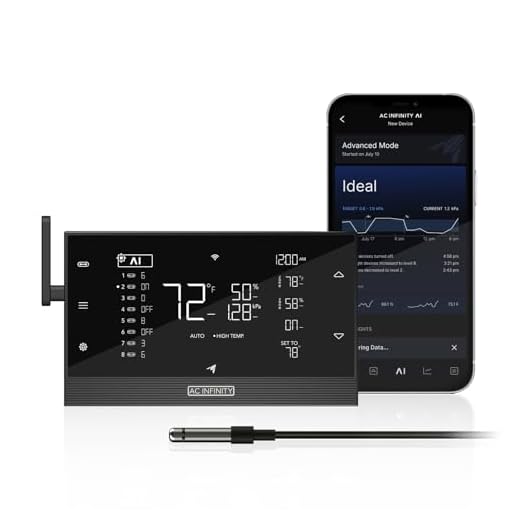
Editor’s Pick: AI-powered smart display hub for syncing your routines with daily habit predictions.
Related download
Self Improvement & Habits Screenshot and Annotation Tool Chrome Extension
Chrome extension for quick screenshot, annotate and save self‑improvement notes—boost productivity with zero impact on s
Make Your Home Smarter
Device reviews, automations, and the deals worth grabbing.
Related Articles You Might Like