- Why Energy Monitoring Is Now a Household Necessity
- The Pitfall of Choosing the “Trendy” Protocol
- A Deep Dive into Matter’s Promise and Reality
- Actionable Takeaway: Vetting Your Matter Ecosystem
- Thread: The Low-Power Maestro with a Data Lag
- When Thread is the Right Choice for Monitoring
- Zigbee: The Old Guard Delivers on Reliability
- The Hub “Tax” is a Feature, Not a Bug
- Listen Now: Get the Full Breakdown
- Making the Right Choice for Your Home
- You Might Also Enjoy
You pick up a smart plug to monitor your energy use and suddenly you’re faced with a debate that echoes across every smart home forum: Matter, Thread, or Zigbee? With electricity rates climbing, it’s no longer just about convenience—it’s about your budget. This was the exact question that stumped host Nick Creighton on a recent client install, leading to a deep-dive investigation. In this companion piece to the podcast episode “Matter Thread Zigbee Energy Monitoring Comparison 2025,” we break down Nick’s findings to help you cut through the hype and choose the protocol that delivers real, actionable data to save you money.
Why Energy Monitoring Is Now a Household Necessity
Gone are the days when tracking your home’s electricity consumption was a niche hobby for data enthusiasts. As Nick highlights in the episode, the financial landscape has fundamentally changed. By early 2025, the average US residential electricity rate had surged to 16.8 cents per kilowatt-hour. For the average household, that translates to an extra $20 or more on their monthly bill compared to just a couple of years ago—for using the exact same amount of power. This shift makes energy monitoring a critical tool for managing household finances, moving it from a “nice-to-have” feature to an essential part of a modern, efficient home.
⭐ Google Nest
Smart home ecosystem — thermostats, cameras, displays.
Affiliate link
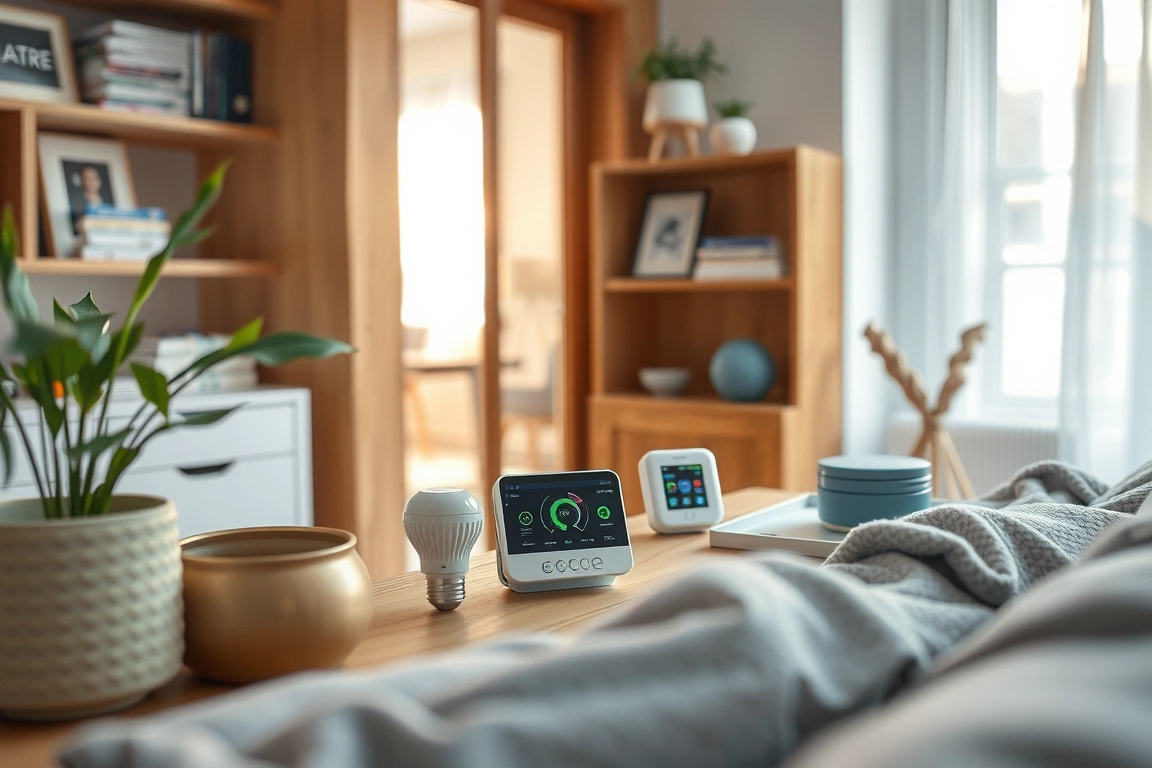
Major platforms have taken notice. Apple, Google, and Samsung have all rolled out increasingly sophisticated energy dashboards. But as Nick’s testing reveals, the accuracy and usefulness of the data in these dashboards depend almost entirely on the communication protocol your devices use. It’s a layer of technology most consumers never see, but it makes all the difference between a vague estimation and a precise, real-time understanding of your consumption. This is especially crucial as more people dive into home automation; automating lights or climate control based on inaccurate data can actually lead to more waste, not less.
The Pitfall of Choosing the “Trendy” Protocol
With years of installation experience, Nick points out a common mistake: choosing a protocol based on hype rather than its specific strengths. Matter is praised for its universal compatibility, Thread for its low-power mesh networking, and Zigbee for its proven reliability. However, for the singular task of energy monitoring, each protocol has a distinct personality. Selecting one because it’s the “future-proof” option, without considering how it handles data reporting, can leave you with a system that looks good on paper but fails to deliver the insights you need to actually lower your utility bill.
A Deep Dive into Matter’s Promise and Reality
Matter arrived with a bold vision: a single, unified standard that would eliminate compatibility chaos. For energy monitoring, the specification includes an “Electrical Measurement” cluster designed to report detailed metrics like voltage, current, and cumulative energy use in kilowatt-hours. In theory, this provides the same granularity as a dedicated whole-home energy monitor, but through a simple smart plug.
When using an Eve Energy smart plug with an Apple TV 4K as the Matter controller, data updates occurred every 15 seconds—a perfectly respectable rate for spotting energy hogs. But when the same plug was connected via a Google Nest Hub Max, the update intervals became erratic, sometimes stretching to over a minute. This variability highlights a central challenge with Matter today: its performance is heavily dependent on the “Matter Controller” (the hub) you use. The protocol is designed for interoperability, but that doesn’t yet guarantee a uniform experience across different ecosystems. For someone just starting out, this is a key consideration when following a general smart home starter guide.
Actionable Takeaway: Vetting Your Matter Ecosystem
If you’re investing in Matter for energy monitoring, your research shouldn’t stop at the plug itself. You must also investigate the performance of the controller it will connect to. Look for reviews or technical specifications that mention data polling rates for energy attributes. A plug might be certified, but if your chosen smart speaker or hub is sluggish in requesting data, you’ll never get the real-time feedback necessary to make immediate adjustments.
Thread: The Low-Power Maestro with a Data Lag
Thread is often celebrated for creating a robust, self-healing mesh network that’s incredibly efficient for battery-powered devices like sensors and door locks. This efficiency stems from its design principle of minimizing “chattiness” to preserve battery life. While this is a fantastic attribute for many applications, Nick’s testing revealed it can be a double-edged sword for energy monitoring.
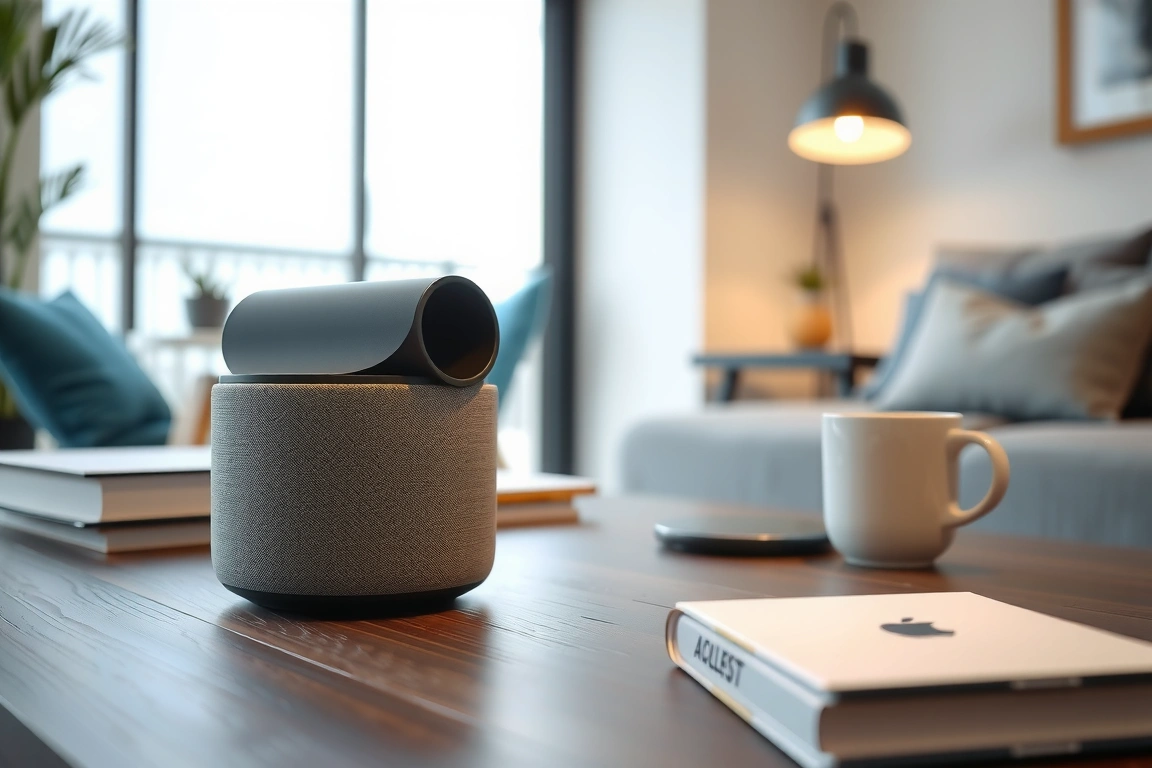
In his controlled experiment, the Thread-based energy monitor was the most frugal with network resources, but this came at the cost of data latency. Updates were less frequent compared to the Zigbee setup. For monitoring a slowly changing load, like a refrigerator cycling on and off, this might be acceptable. However, for identifying instant spikes in power draw—like when a space heater kicks on to its highest setting—the delayed report means you might not see the impact on your energy usage until it’s too late. The data was accurate when it arrived, but its timeliness was compromised.
When Thread is the Right Choice for Monitoring
This doesn’t mean Thread should be dismissed. Its strength lies in monitoring stable, long-duration loads. It’s an excellent choice for getting an accurate picture of your base load—the constant drain from devices like networked modems, entertainment centers on standby, and smart speakers. If your primary goal is to understand your home’s 24/7 energy footprint rather than reacting to momentary changes, a Thread-based solution can provide that data with superb network efficiency. This is a perfect example of matching the technology to a specific automation goal within your broader home automation strategy.
Zigbee: The Old Guard Delivers on Reliability
While Matter and Thread grab the headlines, Nick’s testing delivered a surprise winner for pure, no-nonsense energy monitoring: Zigbee. The legacy protocol, often viewed as the workhorse of the smart home, demonstrated why it has remained relevant for so long. The Zigbee-based energy monitor in his test provided the most consistent and timely data stream, updating every few seconds without fail.
This performance is rooted in Zigbee’s maturity. The “Simple Metering” cluster has been a core part of the Zigbee standard for years, and manufacturers have had ample time to refine its implementation. Unlike Matter, which can be affected by the controller, a Zigbee device typically communicates directly with a dedicated hub (like one from Hubitat or Home Assistant), creating a more deterministic and reliable data pathway. For the user, this means near real-time visibility into energy consumption, allowing for immediate action. You can see the exact moment a high-wattage appliance turns on and correlate it directly to your actions.
The Hub “Tax” is a Feature, Not a Bug
The common criticism of Zigbee is that it requires a separate hub. However, for a critical task like energy monitoring, this centralized approach can be a significant advantage. A dedicated Zigbee hub is designed explicitly for this kind of low-latency, high-reliability communication, unlike a multi-purpose best smart speakers that also has to handle music streaming, voice assistant queries, and video calls. The hub becomes the reliable foundation of your monitoring system, ensuring data integrity isn’t compromised by other tasks.
Listen Now: Get the Full Breakdown
This article covers the key findings, but the full podcast episode dives even deeper. Nick walks through his exact testing methodology, shares surprising anecdotes from his installs, and discusses the long-term implications of these protocols as they continue to evolve. To hear the complete Matter Thread Zigbee Energy Monitoring Comparison 2025 and get all the nuanced details, listen to the episode now on your favorite podcast platform.
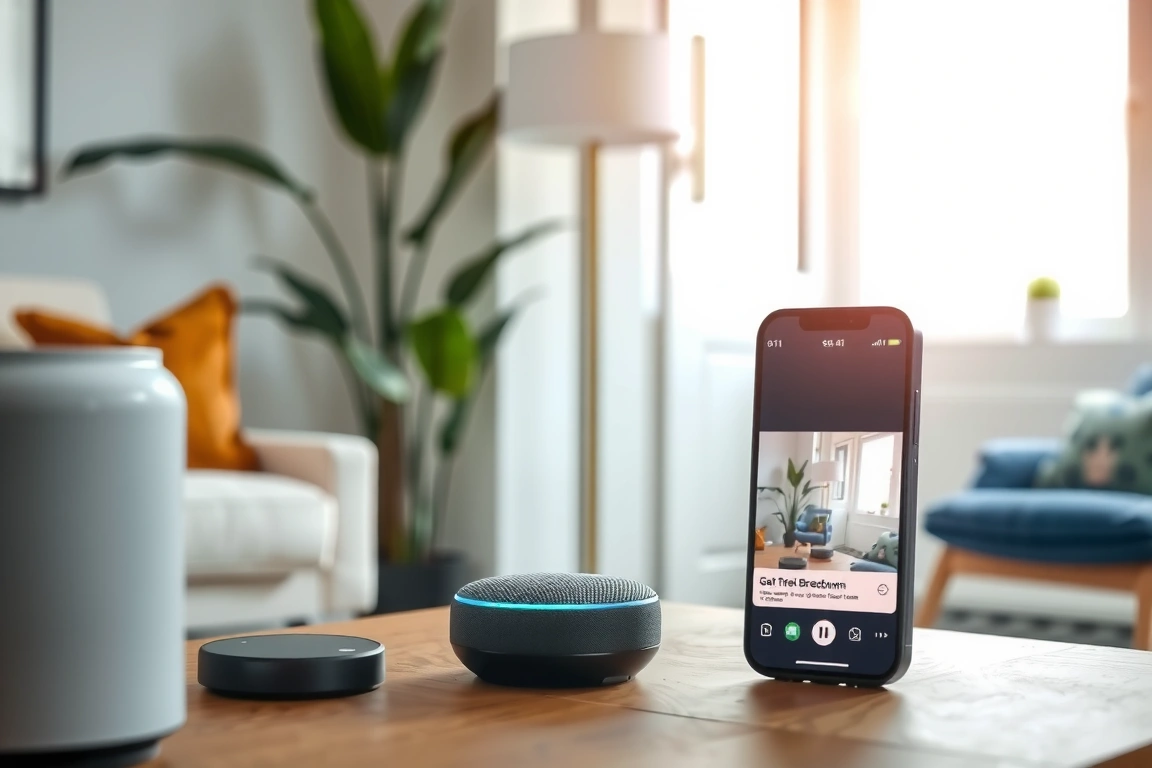
Listen to “After the Install” on Apple Podcasts, Spotify, or wherever you get your podcasts.
Making the Right Choice for Your Home
So, which protocol should you choose? The answer, as with most things in the smart home, is “it depends.” Your decision should be guided by your primary goal. If your priority is seamless integration across brands and you’re willing to carefully select your controller, Matter offers a future-proof path. If network efficiency and monitoring stable loads are key, Thread is a strong contender. But if you want the most reliable, immediate, and accurate data for active energy management today, Zigbee remains the unsurpassed leader. Ready to upgrade your setup? Browse our top smart home picks.
Ultimately, Nick’s experiment proves that the underlying technology matters just as much as the dashboard it feeds. In an era of rising costs, investing in the right protocol isn’t just a technical decision—it’s a financial one. By choosing wisely, you can turn your smart home from a power user into a power
Get the latest smart home tips and product picks straight to your inbox. Subscribe free — no spam, unsubscribe anytime.
This post is a companion to the “Matter Thread Zigbee Energy Monitoring Comparison 2025” podcast episode. The episode is the authoritative version; this article expands on its themes for readers and search engines.
🔍 Our Top Pick
**Editor’s Pick:** *Ecobee Smart Thermostat Premium* – Best learning thermostat with Matter/Thread support & energy tracking for 2025.
Make Your Home Smarter
Device reviews, automations, and the deals worth grabbing.
Related Articles You Might Like