
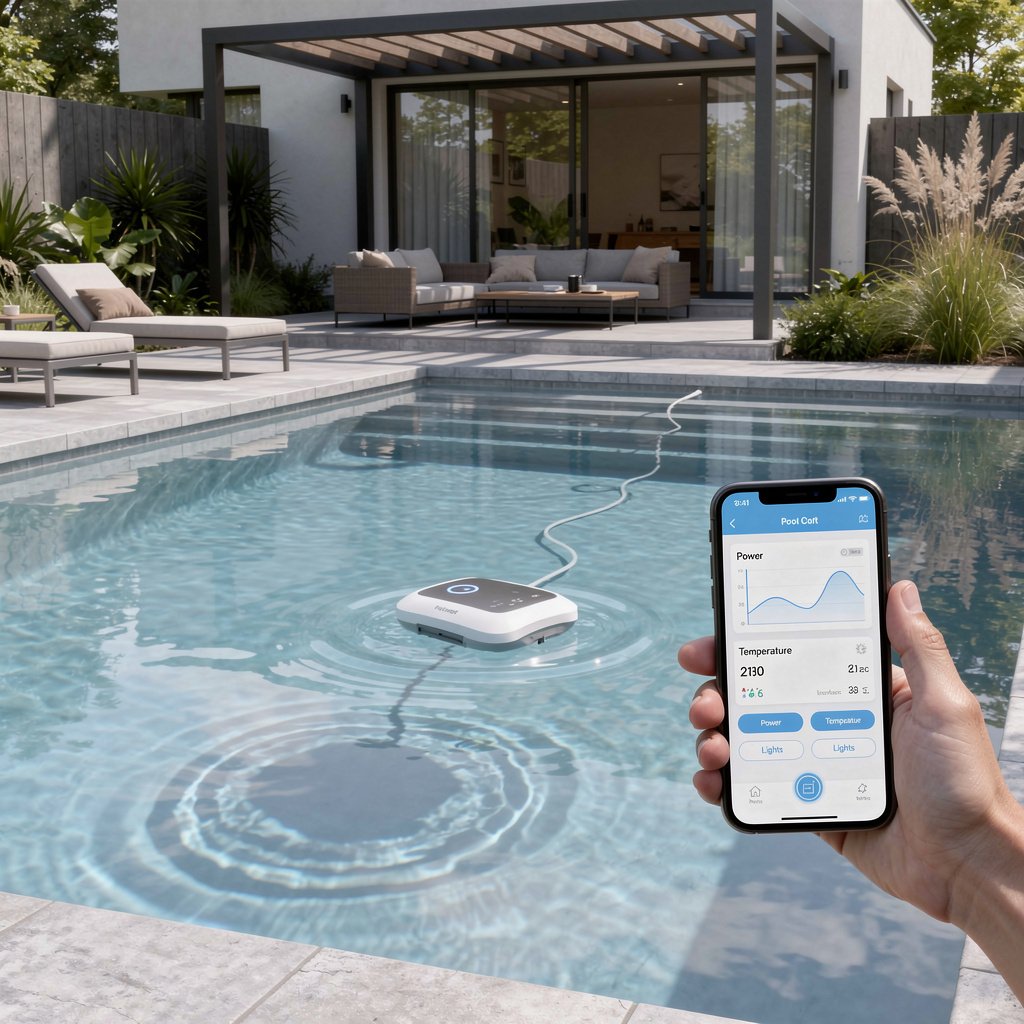
Maintaining a pool can be time-consuming and expensive when chemistry goes wrong. Smart pool automation systems monitor water quality in real-time, automate chemical dosing, and let you control pumps and heaters from your phone. Here is everything you need to know about smart pool technology in 2025.
What Can Smart Pool Technology Do?
- Water quality monitoring: pH, chlorine, temperature, and more
- Automated chemical dosing: Maintains perfect balance automatically
- Pump and filter control: Schedule and optimize run times
- Heater control: Pre-heat before swimming sessions
- Lighting automation: Color-changing pool lights on schedule
- Alerts and notifications: Know immediately when levels are off
Best Smart Pool Devices for 2025
Best Water Monitor: WaterGuru Sense S2
A floating smart monitor that tests your water automatically and sends results to your phone with actionable recommendations.
Price: $349.20 | Rating: 3.9/5
Premium Monitor: ICO Smart Pool Monitor
A more comprehensive monitor that tracks additional water parameters and provides professional-grade analysis.
Price: $449.00
Full Control System: Hayward OmniHub
Complete pool automation for pumps, heaters, lights, and water features – all controllable from one app.
Price: $1,199.99 | Rating: 5.0/5
Budget Option: Pentair IntelliConnect
Affordable pool control that adds smart capabilities to compatible Pentair equipment.
Price: $399.00 | Rating: 4.6/5
Types of Smart Pool Systems
Water Monitors Only
Recommended for You
🛒 Philips Hue Starter Kit
As an Amazon Associate we earn from qualifying purchases.
Floating or inline sensors that track water chemistry. Best for pool owners who want data but prefer manual control. Cost: $200-500
Chemical Dosing Systems
Automated systems that test water and dispense chemicals automatically. Best for hands-off maintenance. Cost: $1,000-3,000
Full Automation Systems
Complete control of all pool equipment. Best for large pools and new construction. Cost: $2,000-10,000+
Smart Pool Automation Benefits
- Time Savings: No more manual testing or trips to the pool store
- Cost Savings: Precise dosing prevents waste, variable pumps cut energy 50-70%
- Better Water Quality: Consistent monitoring catches problems early
- Remote Access: Control everything from your smartphone
Smart Home Integration
- Amazon Alexa: Voice control for heating and lights
- Google Home: Full integration and routines
- Scheduling: Run pumps during off-peak electricity hours
The Verdict
For most pool owners, starting with a smart water monitor like the WaterGuru Sense is the best first step. If building a new pool, consider a full automation system like Hayward OmniHub for complete control.
Related Outdoor Smart Home Guides
Related Articles You Might Like