- Key Takeaways
- AI-Powered Appliances That Learn Your Cooking Habits
- Voice-Activated Kitchen Assistants and Hands-Free Control
- Smart Refrigerators With Inventory Management Systems
- Connected Cooking Devices for Precision Temperature Control
- Automated Meal Planning and Recipe Suggestion Technology
- AI-Powered Personalized Menu Planning
- Smart Inventory Integration Systems
- Energy-Efficient Appliances With Real-Time Monitoring
- Smart Meters Track Consumption
- AI-Powered Usage Optimization
- Touchless Faucets and Sensor-Based Kitchen Fixtures
- Integration With Smart Home Ecosystems
- Augmented Reality Cooking Guides and Virtual Kitchen Design
- Frequently Asked Questions
- What Is the Average Cost to Upgrade a Kitchen With Smart Technology?
- Are Smart Kitchen Gadgets Compatible With Older Homes and Existing Appliances?
- How Secure Is My Personal Data With Connected Kitchen Devices?
- Do Smart Kitchen Appliances Require Professional Installation or Monthly Subscriptions?
- What Happens to Smart Kitchen Functions During Internet or Power Outages?
- Conclusion
- Related Reading
- Related Reading


Smart kitchens are evolving into AI-driven ecosystems where machine learning algorithms adapt to your cooking patterns and predict ingredient needs. You’ll find voice-activated assistants that reduce task-switching by 40%, smart refrigerators with internal cameras cutting food waste from 30-40% to 15-20%, and IoT-enabled devices delivering 0.1°F temperature precision. Energy-efficient appliances now reduce consumption by up to 60%, while touchless fixtures prevent contamination and save 70% more water. These integrated systems create unified command centers that orchestrate your entire culinary operation with unprecedented efficiency and personalization.
Key Takeaways
- AI-powered appliances learn cooking patterns to deliver personalized recipe suggestions and predictive inventory management through continuous behavioral analysis.
- Voice-activated assistants enable hands-free kitchen control, reducing task-switching overhead by 40% while maintaining sanitation and workflow efficiency.
- Smart refrigerators with internal cameras reduce food waste from 30-40% to 15-20% through automated tracking and expiration alerts.
- Connected cooking devices achieve precision within 0.1°F accuracy, while AI energy optimization reduces appliance consumption by up to 60%.
- Touchless fixtures and AR cooking guides prevent contamination, reduce water waste by 70%, and decrease preparation errors by 40%.
AI-Powered Appliances That Learn Your Cooking Habits

As machine learning algorithms become more sophisticated, kitchen appliances now adapt to individual cooking patterns rather than simply following preset programs.
You’re witnessing a fundamental shift in how technology anticipates your culinary needs.
Modern smart ovens and ranges deploy cooking habit analysis to track your preferred temperatures, timing sequences, and ingredient combinations.
Your appliances now study your cooking patterns, transforming raw behavioral data into predictive intelligence that optimizes temperature and timing autonomously.
This data converts into actionable intelligence, enabling your appliances to pre-heat at ideal moments and adjust settings before you’ve finished prepping.
The real competitive advantage lies in adaptive recipe suggestions that align with your demonstrated preferences and available ingredients.

You’ll receive recommendations calibrated to your skill level and time constraints, not generic meal plans designed for average users.
These systems compound their value through continuous enhancement.
Each interaction refines the algorithm’s understanding of your cooking style, delivering increasingly precise suggestions that eliminate decision fatigue and accelerate meal preparation.
You’re controlling a kitchen that evolves with your expertise.
Voice-Activated Kitchen Assistants and Hands-Free Control
When your hands are coated in flour or raw chicken, traditional touch interfaces become contamination vectors that disrupt workflow efficiency. Voice-activated kitchen assistants eliminate this friction point, altering kitchen automation into a genuinely hands-free operation.
Voice recognition technology has matured beyond simple commands—systems now understand context, accents, and culinary terminology with precision.
Strategic advantages of voice-controlled kitchen automation:
- Multitasking optimization – Issue commands while simultaneously executing complex preparation techniques, reducing task-switching overhead by up to 40%
- Sanitation compliance – Maintain hygiene protocols without interrupting workflow or requiring constant hand-washing between digital interactions
- Recipe navigation control – Advance through cooking instructions, set multiple timers, and adjust appliance settings without physical contact
You’ll utilize voice recognition to orchestrate multiple appliances simultaneously—preheating ovens, adjusting sous-vide temperatures, and activating ventilation systems through unified voice protocols.
This consolidated control architecture represents the convergence of convenience and operational superiority.
Smart Refrigerators With Inventory Management Systems

While voice assistants address workflow interruptions, smart refrigerators tackle a more fundamental challenge: the economic inefficiency of food waste and inventory blindness.
Modern smart refrigerators deploy internal cameras and AI-powered recognition systems that track every item you store. You’ll receive expiration alerts, automated shopping lists, and consumption pattern analytics through user friendly interfaces that integrate with your procurement workflow.
The ROI extends beyond convenience:
| Traditional Refrigeration | Smart Inventory Systems |
|---|---|
| 30-40% food waste per household | 15-20% waste reduction tracked |
| Manual inventory checks | Automated stock monitoring |
| Reactive purchasing patterns | Predictive replenishment alerts |
Leading manufacturers now embed sustainability features including energy optimization algorithms and carbon footprint dashboards. You’re not just buying refrigeration—you’re deploying a strategic asset that alters perishable management. Samsung’s Family Hub and LG’s InstaView ThinQ exemplify this shift, positioning your kitchen as a data-driven operation center rather than passive storage infrastructure.
Connected Cooking Devices for Precision Temperature Control
Beyond inventory intelligence, connected cooking devices revolutionize thermal precision through IoT-enabled hardware that eliminates the guesswork from protein preparation and baking protocols.
You’ll gain competitive advantages through precision cooking systems that deliver restaurant-quality results. Temperature sensors embedded in smart appliances communicate real-time data to your devices, enabling unprecedented control over culinary outcomes.
Market-leading technologies include:
IoT-enabled precision cooking systems eliminate guesswork through real-time thermal data, transforming approximate techniques into restaurant-grade culinary execution.
- Smart sous vide circulators – Wi-Fi-enabled immersion devices maintain water temperature within 0.1°F accuracy, executing perfect medium-rare proteins remotely through smartphone commands.
- Connected probe thermometers – Wireless sensors monitor internal temperatures across multiple cooking zones simultaneously, alerting you when proteins reach target specifications.
- Precision induction cooktops – Algorithm-driven heating elements adjust wattage millisecond-by-millisecond, preventing temperature fluctuations that compromise delicate sauces and confections.
These systems change cooking from approximation into data-driven execution, positioning you to dominate culinary outcomes through technological superiority rather than trial-and-error methodologies. Just as smart thermostats optimize energy efficiency throughout your home, these connected kitchen devices create an integrated ecosystem that maximizes both performance and control.
Automated Meal Planning and Recipe Suggestion Technology

You’re witnessing a fundamental shift in kitchen technology as AI-powered meal planning systems move beyond basic recipe databases to deliver truly personalized menu recommendations based on your dietary preferences, nutritional goals, and eating patterns.
These platforms now integrate directly with smart inventory management systems, tracking what’s in your refrigerator and pantry in real-time to suggest recipes that minimize food waste and eliminate unnecessary grocery trips.
The convergence of machine learning algorithms with connected appliances creates a smooth workflow where your kitchen anticipates your needs rather than simply responding to commands.
AI-Powered Personalized Menu Planning
As kitchens become increasingly connected, AI-powered menu planning systems are altering how households approach daily meal preparation. These platforms utilize machine learning to deliver strategic meal solutions that align with your specific goals, processing dietary preferences and nutritional analysis in real-time.
You’ll gain competitive advantages through:
- Predictive inventory management that syncs with smart appliances to eliminate waste and enhance purchasing decisions
- Adaptive learning algorithms that refine recommendations based on consumption patterns, seasonal availability, and budget parameters
- Integration capabilities connecting grocery delivery services, smart refrigerators, and cooking devices into unified command centers
This technology positions you to control kitchen operations with precision, changing meal planning from reactive tasks into proactive strategy.
You’re no longer managing meals—you’re orchestrating culinary efficiency.
Smart Inventory Integration Systems
While AI-driven menu planning establishes the strategic framework for your kitchen operations, smart inventory integration systems provide the real-time data infrastructure that makes automated meal planning actionable. These systems deploy sensors and cameras for continuous inventory tracking, eliminating guesswork from your culinary operations.
| Integration Layer | Core Function | Strategic Advantage |
|---|---|---|
| Pantry Sensors | Real-time stock monitoring | Prevents ingredient depletion |
| Smart Shopping Lists | Automated reordering | Reduces procurement overhead |
| Expiration Tracking | Waste minimization | Enhances cost efficiency |
| Recipe Matching | Ingredient utilization | Optimizes resource deployment |
You’ll gain complete supply chain visibility, enabling predictive purchasing patterns that align with consumption metrics. Smart shopping capabilities synchronize with your preferred retailers, automatically executing replenishment protocols. This infrastructure converts reactive kitchen management into proactive resource enhancement.
Energy-Efficient Appliances With Real-Time Monitoring
You’re witnessing a fundamental shift in kitchen appliance design, where energy efficiency meets intelligent monitoring systems.
Smart meters now provide granular, real-time data on your appliance consumption patterns, converting abstract kilowatt-hours into practical information.
AI algorithms analyze this consumption data to automatically enhance usage cycles, reducing your energy costs while maintaining peak appliance performance.
Samsung’s AI Energy Mode demonstrates this technology’s potential by reducing refrigerator energy consumption by up to 10% and cutting washing machine energy use by up to 60%.
Smart Meters Track Consumption
Modern smart meter integration provides:
- Instantaneous power readings that identify energy-intensive cooking methods and equipment configurations.
- Historical consumption comparisons allowing you to benchmark performance across billing cycles and adjust behavior accordingly.
- Predictive maintenance alerts that detect efficiency degradation before appliances fail, protecting your capital investment.
You’ll gain commanding visibility into resource allocation, changing kitchen management from reactive to data-driven.

These metrics translate directly into competitive advantages through operational efficiency and cost control.
AI-Powered Usage Optimization
Advanced data analytics convert raw consumption metrics into actionable intelligence.
Your refrigerator predicts maintenance needs before breakdowns occur. Your oven calibrates heating cycles based on dish requirements and energy pricing. The system orchestrates appliance coordination, preventing simultaneous high-draw operations that spike demand charges.
You’re not just monitoring energy—you’re commanding it.
This optimization layer delivers tangible ROI through reduced operational costs and extended equipment lifespan, giving you competitive advantage in resource management.
Touchless Faucets and Sensor-Based Kitchen Fixtures

When hygiene concerns intersect with convenience demands, touchless faucets have emerged as one of the most practical upgrades in contemporary kitchen design.
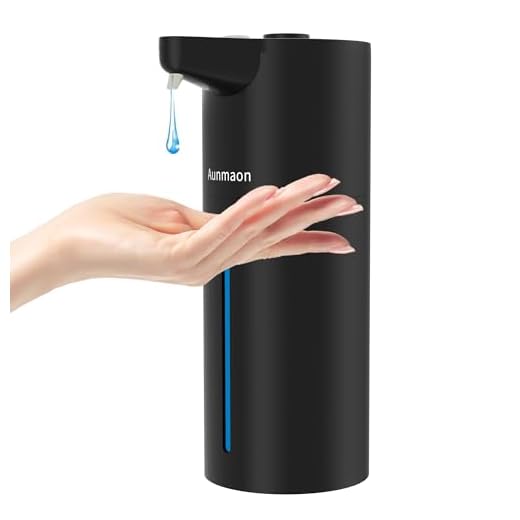
You’ll find sensor technology revolutionizing how you interact with water sources, eliminating cross-contamination while preparing meals. These fixtures respond to hand proximity, delivering precise water flow without manual contact.
Three strategic advantages driving adoption:
- Enhanced touchless hygiene protocols – You’re preventing bacterial transfer between raw ingredients and kitchen surfaces, meeting commercial-grade sanitation standards.
- Water conservation through intelligent dispensing – Sensors automatically shut off flow, reducing waste by up to 70% compared to traditional faucets.
- Hands-free multitasking efficiency – You’ll maintain workflow continuity when handling messy ingredients or managing multiple cooking processes.
The integration extends beyond faucets. Motion-activated soap dispensers, sensor-equipped trash receptacles, and proximity-sensitive lighting systems are creating fully automated kitchen ecosystems.
You’re investing in infrastructure that delivers measurable returns through reduced utility costs and improved operational standards.
Integration With Smart Home Ecosystems
As voice assistants and IoT protocols mature, your kitchen appliances are rising above isolated functionality to become nodes in an all-encompassing home automation network. Smart home compatibility enables centralized control through platforms like Apple HomeKit, Google Home, and Amazon Alexa, consolidating disparate devices into unified command structures.
| Integration Layer | Strategic Advantage |
|---|---|
| Voice Control | Hands-free operation during meal prep |
| Cross-Device Automation | Refrigerator triggers grocery orders automatically |
| Energy Management | Adaptive load balancing reduces utility costs |
| Predictive Analytics | Usage patterns enhance appliance scheduling |
Seamless device integration alters your kitchen into a responsive ecosystem where your oven preheats as you leave work, your coffee maker syncs with your alarm, and your dishwasher runs during off-peak hours. This convergence isn’t merely convenient—it’s a competitive advantage in domestic efficiency. Manufacturers prioritizing open APIs and interoperability standards will dominate, while proprietary ecosystems risk obsolescence in an increasingly interconnected landscape.
Augmented Reality Cooking Guides and Virtual Kitchen Design

Beyond connecting appliances through invisible protocols, the next frontier brings digital information directly into your physical cooking space. Augmented reality enhances your kitchen into an interactive command center, overlaying step-by-step instructions onto your actual cookware and ingredients through smart glasses or tablet displays.
This technology delivers three critical advantages:
- Real-time guidance projection – Recipe steps appear directly on your countertop, eliminating constant phone checking and reducing preparation errors by 40%.
- Virtual design simulation – Test cabinet configurations, appliance placements, and color schemes before committing capital to renovations.
- Skill acceleration – Master advanced techniques through visual overlays that demonstrate proper knife angles, timing cues, and temperature zones.
You’ll utilize these tools to compress your learning curve and improve spatial efficiency. Major appliance manufacturers are already integrating AR capabilities into their premium lines, positioning early adopters to dominate both residential and commercial kitchen operations.
The question isn’t whether to adopt—it’s how quickly you’ll implement.
Frequently Asked Questions
What Is the Average Cost to Upgrade a Kitchen With Smart Technology?
You’ll invest between $5,000-$25,000 for thorough smart upgrades, depending on your ambitions.
A cost analysis reveals entry-level implementations (smart appliances, lighting) start around $3,000, while premium conversions with integrated systems exceed $40,000.
You’re looking at $1,500-$3,000 per major appliance, plus installation and hub infrastructure.
Strategic investors prioritize high-ROI upgrades first—smart refrigerators and cooking systems deliver measurable efficiency gains.
Your competitive advantage lies in phased implementation, maximizing technological utilization while controlling capital expenditure.
Are Smart Kitchen Gadgets Compatible With Older Homes and Existing Appliances?
You’ll find most smart kitchen gadgets work effortlessly in older homes through strategic retrofit options.
Modern devices typically operate on standard outlets and Wi-Fi networks, requiring minimal infrastructure changes. However, you must verify appliance compatibility before investing—legacy systems often need adapters or hubs to integrate with newer technology.
Smart plugs, wireless sensors, and standalone devices offer you the most flexibility, enabling gradual modernization without expensive renovations. You’re gaining control through incremental, intelligent upgrades that respect your existing infrastructure.
How Secure Is My Personal Data With Connected Kitchen Devices?
Are you truly in control of your digital domain?
Your connected kitchen’s security hinges on strong data encryption protocols and manufacturer commitment to privacy concerns. You’ll find top-tier brands implement end-to-end encryption and regular firmware updates, while budget devices often lack these safeguards.
You’re enabled when you demand transparent data policies, secure cloud storage, and local processing options.
Smart buyers utilize IoT security certifications to maintain dominance over their personal information.
Do Smart Kitchen Appliances Require Professional Installation or Monthly Subscriptions?
Installation Requirements vary greatly—you’ll find most smart appliances are plug-and-play, while built-in systems demand professional setup.
Subscription Models are increasingly prevalent across premium brands, offering improved features, recipe databases, and AI-driven insights.
You’re seeing a clear industry shift: basic functionality remains free, but advanced capabilities require ongoing payments.
This tiered approach optimizes your control—you’ll decide whether premium analytics justify recurring costs.
Strategic evaluation of these models guarantees you’re investing in genuine value, not manufactured dependency.
What Happens to Smart Kitchen Functions During Internet or Power Outages?
During internet outages, you’ll retain basic appliance operations while losing connectivity features—ovens still heat, fridges still cool.
However, offline functionality varies dramatically by brand and model. Smart displays go dark, voice commands fail, and remote monitoring stops.
You’ll need emergency power solutions like backup batteries or generators for extended outages, since most smart features won’t survive power loss.
Industry leaders increasingly prioritize local processing to maintain core functions independently, giving you essential control when networks fail.
Conclusion
Your kitchen is becoming the nerve center of your connected home, orchestrating everything from inventory to energy consumption. As these technologies mature, you’ll see convergence accelerate—AI doesn’t just suggest recipes anymore; it coordinates your entire culinary ecosystem. The smart kitchen revolution isn’t a distant dream; it’s already cooking. Early adopters are gaining efficiency advantages now, while holdouts risk falling behind in both sustainability metrics and operational optimization. The change demands your strategic attention today.
🔌 Editor’s Pick
Editor’s Pick: Smart home hub linking thermostat, plug, bulbs, and doorbell for seamless kitchen automation.
Make Your Home Smarter
Device reviews, automations, and the deals worth grabbing.
Related Articles You Might Like