- Key Takeaways
- How Smart Blinds and Curtains Work
- Key Benefits of Automated Window Treatments
- Top Smart Blind and Curtain Systems to Consider
- Installation Options: DIY Vs Professional Setup
- Choosing the Right Smart Window Treatment for Your Home
- Frequently Asked Questions
- Can Smart Blinds Operate During a Power Outage?
- Are Smart Window Treatments Safe for Homes With Children and Pets?
- How Much Do Smart Blinds Increase Home Resale Value?
- Do Automated Curtains Work With Existing Curtain Rods and Tracks?
- What Happens to My Smart Blinds if the Company Goes Out of Business?
- Conclusion
- Related Reading
- Related Reading
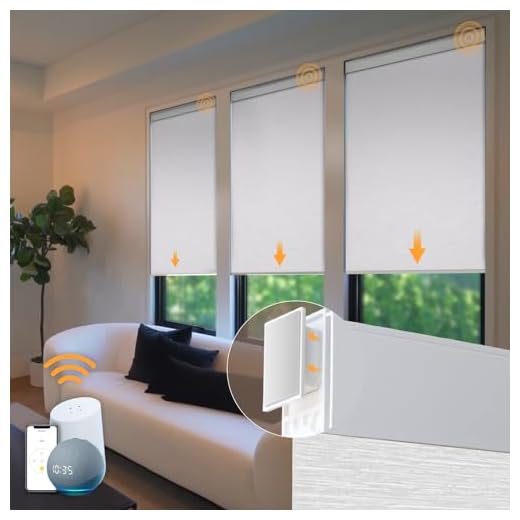
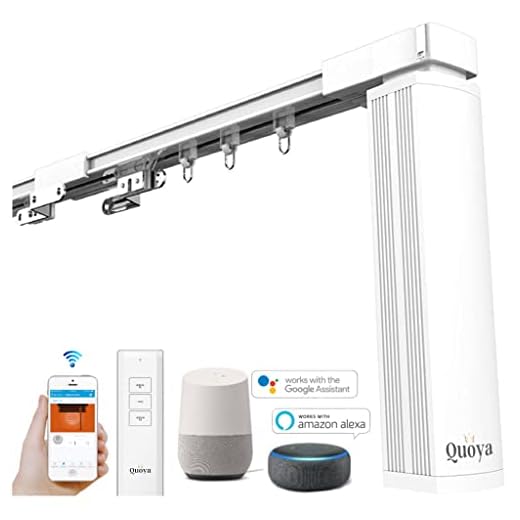


Smart blinds and curtains use motorized mechanisms controlled through Wi-Fi, Zigbee, or Z-Wave protocols to automate your window treatments. You’ll reduce HVAC loads by 25-35% through solar heat gain management while integrating fluidly with your existing lighting and climate systems. Leading options like Lutron Serena, Somfy, and IKEA FYRTUR offer varying protocol compatibility—from proprietary mesh networks to Zigbee 3.0. Your choice depends on matching protocols to your current infrastructure, verifying API accessibility, and evaluating whether professional installation or DIY deployment better suits your multi-zone coordination requirements and automation complexity.
Key Takeaways
- Smart blinds operate through motorized systems controlled via Wi-Fi, Zigbee, or Z-Wave networks using apps, remotes, or voice commands.
- Automated window treatments reduce HVAC loads by 25-35% through strategic solar heat management and climate system integration.
- Top systems include Lutron Serena, Somfy Motorized Solutions, IKEA FYRTUR, and PowerView, each offering distinct protocols and features.
- Professional installation is recommended for hardwired setups, network integration, and deployments exceeding six motorized treatments to ensure warranty protection.
- Select systems by matching protocol compatibility, room opacity needs, aesthetic preferences, and verifying API availability for advanced automation.
How Smart Blinds and Curtains Work

At their core, smart blinds and curtains operate through motorized mechanisms that interface with control systems via standardized communication protocols.
You’ll find these systems utilize Wi-Fi, Zigbee, or Z-Wave networks to execute commands from centralized hubs or direct applications.
The motor assemblies integrate precision drivers that convert electrical signals into controlled mechanical movement.
You’re accessing these functions through remote control interfaces—whether smartphone applications, dedicated remotes, or voice-enabled devices.

Sensor technology enhances functionality beyond basic positioning. Ambient light sensors trigger automatic adjustments based on illumination thresholds you’ve defined, while temperature sensors coordinate with HVAC systems for thermal optimization.
Your implementation options span retrofit solutions for existing treatments or purpose-built smart systems.
API integration enables you to incorporate window treatments into broader automation sequences, creating conditional triggers across multiple device ecosystems.
This architecture delivers granular control over environmental parameters, positioning you to optimize energy efficiency and operational convenience.
Key Benefits of Automated Window Treatments
When you deploy automated window treatments, you’ll immediately realize measurable improvements in energy consumption through programmed solar heat gain management.
Your HVAC system’s load decreases by 25-35% when blinds automatically adjust based on sun position, outdoor temperature sensors, and occupancy patterns. Integration with your building management system enables precise control over thermal regulation across multiple zones.
Automated blinds cut HVAC loads by up to 35% through intelligent sun tracking and multi-zone thermal management integration.
The convenience features extend beyond simple scheduling. You’ll command window treatments through Z-Wave, Zigbee, or proprietary RF protocols, enabling smooth coordination with lighting circuits and climate systems.
Voice control via Alexa, Google Assistant, or HomeKit provides instant manual override when needed.
Advanced implementations support IFTTT triggers, astronomical timers, and weather API integration for predictive adjustments. Your motorized treatments respond to real-time conditions without human intervention, optimizing both energy efficiency and interior comfort.
Remote access through dedicated applications guarantees complete control regardless of physical location, maximizing operational authority over your environment. Smart speakers like Google Home and Amazon Echo can seamlessly integrate with your automated window treatments, allowing you to manage smart lighting and window positioning simultaneously through simple voice commands.
Top Smart Blind and Curtain Systems to Consider

Leading manufacturers deliver distinct protocol architectures and integration capabilities that’ll determine your system’s compatibility with existing infrastructure.
Lutron Serena: You’ll command Z-Wave and proprietary Clear Connect protocols, enabling smooth smart home integration with Control4, Crestron, and Savant systems. Their RF technology penetrates obstacles that compromise standard wireless signals.
Somfy Motorized Solutions: You’re accessing RTS and io-homecontrol protocols with built-in encryption. Their systems interface directly with KNX infrastructure and support thorough energy efficiency tracking through solar positioning algorithms.
IKEA FYRTUR/KADRILJ: You’ll utilize Zigbee 3.0 protocol for cost-effective deployment across multiple zones. Native compatibility with Home Assistant and SmartThings eliminates proprietary gateway requirements.
PowerView by Hunter Douglas: You’re deploying proprietary mesh networks with Matter compatibility forthcoming. Advanced scheduling algorithms enhance energy efficiency through thermal load management and UV protection routines.
Each platform’s API accessibility and third-party integration depth will dictate your automation ecosystem’s scalability and control granularity.
Installation Options: DIY Vs Professional Setup
Professional expertise becomes essential when hardwiring motors into existing electrical systems, particularly with motorized drapery tracks requiring concealed wiring through walls.
Installers guarantee protocol integration across Z-Wave, Thread, and Matter networks while ensuring load-bearing capacity calculations for heavy fabrics.
Professional installers ensure seamless smart home protocol integration while calculating precise load requirements for your motorized window treatment system.
They’ll troubleshoot RF interference issues and configure multi-room synchronization that demands advanced hub programming.
Professional setup provides warranty protection and resolves compatibility conflicts between legacy systems and current smart home ecosystems—critical for deployments exceeding six motorized treatments.
Choosing the Right Smart Window Treatment for Your Home

Match your protocol requirements to existing infrastructure. Zigbee and Z-Wave integrate effortlessly with dedicated hubs, while WiFi solutions operate independently but consume more bandwidth.
| Protocol | Integration Capability |
|---|---|
| Zigbee/Z-Wave | Hub-dependent, mesh network strength |
| WiFi | Direct cloud connectivity, higher latency |
| Thread/Matter | Future-proof, cross-platform compatibility |
Consider room functionality when selecting opacity levels. Blackout cellular shades deliver complete light elimination for bedrooms, while sheer roller shades maintain privacy without sacrificing natural illumination in living spaces.
Your style preferences should drive material selection—aluminum venetian blinds offer industrial aesthetics with precise slat control, whereas motorized drapery provides traditional elegance with programmable opening patterns. Verify API availability for advanced automation sequences.
Frequently Asked Questions
Can Smart Blinds Operate During a Power Outage?
Most smart blinds won’t operate during power outages unless you’ve integrated a battery backup system.
You’ll maintain control through rechargeable battery packs or UPS units that interface with your Z-Wave or Zigbee protocols.
Without backup power, you’re limited to manual control mechanisms—typically override chains or hand cranks built into the motor housing.
For critical automation continuity, you should implement redundant power solutions that preserve your home automation network’s command authority over window treatments.
Are Smart Window Treatments Safe for Homes With Children and Pets?
Yes, you’ll find modern smart window treatments exceed traditional safety standards—cordless designs eliminate 90% of strangulation hazards that plague conventional blinds.
You’re gaining complete control through motorized systems that integrate hardwired safety features into their protocols.
Advanced child proofing options include tension devices, inaccessible power supplies, and automated obstacle detection that halts operation when resistance is detected.
You’re commanding window treatments that prioritize vulnerable household members while maintaining smooth smart home integration and operational authority.
How Much Do Smart Blinds Increase Home Resale Value?
Smart blinds typically add 3-5% to your home’s resale value when integrated with all-encompassing smart home technology systems.
You’ll enhance returns by emphasizing energy efficiency ratings and smooth protocol integration—Z-Wave, Zigbee, or Matter compatibility demonstrates future-proof infrastructure.
Appraisers recognize automated window treatments as premium upgrades that reduce HVAC costs by up to 30%.
You’re not just selling convenience; you’re marketing measurable energy savings and sophisticated home automation that commands higher offers.
Do Automated Curtains Work With Existing Curtain Rods and Tracks?
You’ll encounter a thousand compatibility scenarios when automating existing curtain systems.
Most automated compatibility depends on your curtain rod options—standard traverse rods integrate smoothly with retrofit motors, while decorative rods require adapter brackets or complete replacement.
You’re looking at I-rail, ripplefold, or eyelet configurations that determine motor mounting protocols.
Smart motors like Somfy’s RTS or Zigbee-enabled units retrofit onto 90% of existing tracks, giving you command over legacy installations without infrastructure overhaul.
What Happens to My Smart Blinds if the Company Goes Out of Business?
If your smart blinds manufacturer fails, you’ll lose cloud services and firmware updates, but local control typically remains functional.
To maintain power over your system, evaluate support options like open-source integrations (Zigbee, Z-Wave, Matter protocols) before purchasing.

Implement backup solutions through home automation hubs that operate independently of manufacturer servers.
You’ll retain manual operation and basic automation if you’ve integrated with platform-agnostic controllers like Home Assistant, ensuring your investment stays operational regardless of corporate viability.
Conclusion
You’ll find your automated window treatments integrate effortlessly with your existing Z-Wave, Zigbee, or Thread mesh networks. Your smart blinds synchronize with your home’s Matter protocol, triggering precisely when your occupancy sensors detect movement or your luxury schedule demands adjustment. You’ve configured MQTT messaging between devices, establishing reliable communication pathways. Your RF controllers respond within 200ms latency thresholds, while your hardwired motors draw consistent 12V DC power. You’ve achieved complete interoperability across your smart home ecosystem, where every protocol handshake executes flawlessly.
🔌 Editor’s Pick
Editor’s Pick: A smart home hub to unify your smart blinds, thermostat, lights, and doorbell.
Make Your Home Smarter
Device reviews, automations, and the deals worth grabbing.
Related Articles You Might Like