- Key Takeaways
- Smart Lighting Solutions That Require Zero Installation
- Security Cameras and Doorbells You Can Take With You
- Battery-Powered Wireless Cameras
- Magnetic and Adhesive Mounts
- Climate Control Devices That Work With Existing Systems
- Smart Thermostats Without Rewiring
- Portable AC Controllers
- Voice Assistants and Smart Hubs for Central Control
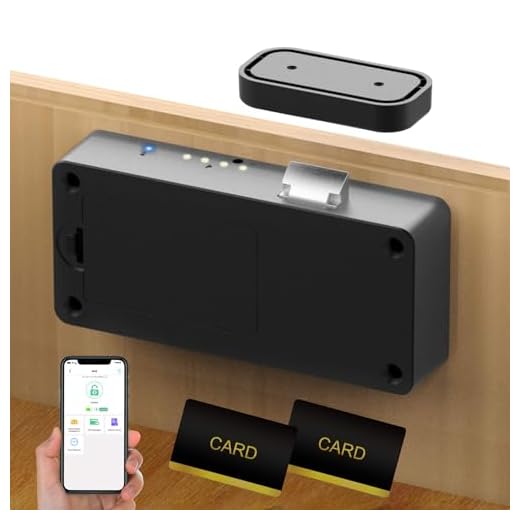
- Adhesive-Mount Smart Locks and Entry Sensors
- Plug-and-Play Smart Plugs and Power Strips
- Portable Smart Sensors for Monitoring Your Space
- Frequently Asked Questions
- Will My Landlord Allow Me to Install Smart Home Devices?
- Do Smart Home Devices Increase Electricity Costs Significantly?
- Can I Get My Security Deposit Back With Smart Devices Installed?
- What Happens to My Smart Home Setup When I Move?
- Do I Need Renter’s Insurance to Cover Smart Home Devices?
- Conclusion
- Related Reading
- Related Reading

 Google Nest Smart Thermostat” />

You’ll protect your security deposit by choosing smart devices that require no drilling, hardwiring, or permanent modifications. Smart bulbs screw into existing fixtures, battery-powered cameras mount with adhesive strips, and smart plugs simply insert into outlets—all removable without a trace. Adhesive-mount smart locks fit over existing deadbolts, while portable sensors monitor air quality and leaks through simple placement. Document your original setup with photos, store factory hardware securely, and verify your lease’s notification requirements before installing any security devices. The following sections detail specific product categories and removal strategies that’ll safeguard your deposit while maximizing automation benefits.
Key Takeaways
- Smart bulbs and plug-and-play devices require no wiring changes, fitting existing fixtures while enabling automation and energy monitoring.
- Battery-powered security cameras use adhesive or magnetic mounts, avoiding wall damage while providing quality monitoring and easy relocation.
- Adhesive-mount smart locks and entry sensors eliminate drilling requirements, protecting deposits while offering temporary access codes and activity tracking.
- Battery-powered climate control devices and portable sensors install without hardwiring, enabling automation while documenting baseline conditions for dispute protection.
- Document original configurations, photograph installations, and store factory hardware to ensure complete restoration and deposit recovery at lease termination.
Smart Lighting Solutions That Require Zero Installation

Since most rental agreements prohibit permanent modifications to electrical systems, smart bulbs offer the most straightforward path to home automation.
You’ll maintain complete control over your lighting infrastructure without risking deposit forfeiture or lease violations.
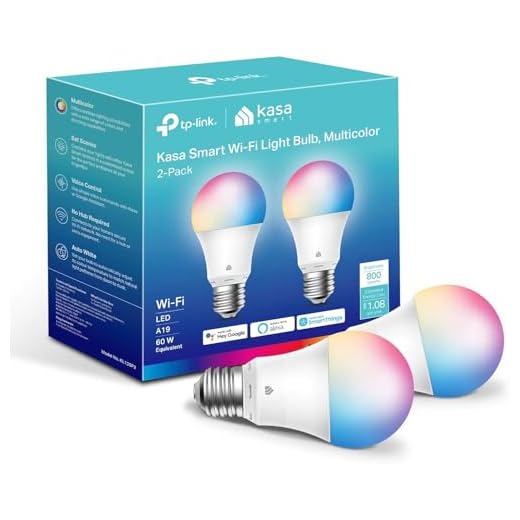
Smart bulbs screw directly into existing fixtures, requiring no rewiring or structural changes.
You’ll remove them when you vacate, restoring original equipment within minutes. This reversibility protects your financial interests while delivering advanced functionality.
Select bulbs with integrated motion sensors to automate hallway and bathroom lighting without installing separate detection hardware.
You’ll eliminate the need for wall-mounted devices that leave mounting holes or adhesive residue.
Priority consideration: verify bulb compatibility with your preferred control ecosystem before purchase.
You’ll avoid costly replacements and integration failures.
Document original bulb specifications and store landlord-provided equipment securely.
You’ll guarantee smooth restoration at lease termination, preventing disputes over property condition and securing full deposit return.
Modern smart lighting systems enable you to create personalized mood lighting for different activities and times of day, transforming your rental space without permanent alterations.
Security Cameras and Doorbells You Can Take With You
Security cameras and doorbells that use battery power and removable mounting systems let you monitor your rental without violating lease terms or losing your investment when you move.
You’ll want options with magnetic or adhesive mounts that won’t damage walls or door frames, as most rental agreements explicitly prohibit permanent installations.
Choose devices with long battery life and weatherproof ratings to minimize maintenance visits and guarantee reliable operation in varying conditions.
Many battery-powered options offer 2K video quality and smart detection features that can distinguish between people, packages, and vehicles for more precise monitoring.
Battery-Powered Wireless Cameras
When you’re renting, drilling holes for hardwired security equipment isn’t just impractical—it’ll likely cost you your deposit. Battery-powered wireless cameras eliminate this risk entirely. You’ll maintain full surveillance capability without violating lease terms or damaging property.
Installation tips: Mount cameras using removable adhesive strips rated for outdoor use, or position them on existing shelves and ledges. Verify your lease permits security devices before deployment.
Battery life demands strategic planning. Premium models deliver 3-6 months per charge, while budget options require monthly maintenance. Calculate replacement cycles against your schedule—frequent battery swaps compromise security effectiveness.
Position cameras to cover entry points while respecting neighbors’ privacy boundaries. Document your installation method and original wall conditions.
When you relocate, these systems transfer effortlessly to your next property, protecting your investment long-term.
Magnetic and Adhesive Mounts
Strategic deployment considerations:
- Verify adhesive strip compatibility with your wall surface before commitment—porous materials require specialized bonding agents that maintain hold strength under temperature fluctuations.
- Document original surface conditions photographically to establish baseline evidence for deposit disputes.
- Test magnetic mounts under load conditions matching your camera’s weight specifications to prevent equipment falls.
- Schedule quarterly adhesion inspections to identify degradation before failure occurs, particularly in humidity-exposed locations.
You’ll control repositioning flexibility while maintaining installation reversibility—critical advantage points when negotiating deposit returns or relocating equipment between properties.
Climate Control Devices That Work With Existing Systems

Climate control modifications often violate lease agreements and risk losing your security deposit, but you don’t need permanent installations to maintain comfortable temperatures.
Smart thermostats now mount over existing units without rewiring, while portable AC controllers attach to window units you already own.
These removable solutions let you automate heating and cooling without damaging walls or voiding warranties on your landlord’s HVAC system.
Smart Thermostats Without Rewiring
Since most rental agreements prohibit permanent modifications to heating and cooling systems, you’ll need smart thermostats that install without cutting wires or drilling holes.
These devices preserve your deposit while delivering smart thermostat features that reduce monthly utility costs.
Installation options that protect your lease:
- Battery-powered models mount over existing thermostats using adhesive strips, requiring zero electrical work.
- C-wire adapters provide power without hardwiring, maintaining system reversibility when you relocate.
- Portable sensors enable room-specific temperature control without drilling or permanent mounting brackets.
- Photo documentation before installation establishes proof of original system condition for deposit recovery.
These energy efficiency benefits typically generate 10-23% savings on heating and cooling expenses, directly offsetting your initial investment while maintaining compliance with property management policies.
Portable AC Controllers
Window units and portable ACs in your rental already work hard to keep you comfortable, but they’re likely wasting energy by running on basic on/off schedules—or worse, operating continuously because you forgot to adjust them before leaving.
Smart plugs with temperature monitoring capabilities give you remote control authority over these appliances without modifying the unit itself or your landlord’s property.
Advanced portable AC controller features include geofencing automation that powers down your unit when you’re away and scheduled temperature adjustments that prevent overnight overcooling.
The energy saving benefits directly reduce your utility costs—some renters report 20-30% decreases in cooling expenses.
You’ll maintain lease compliance since installation requires zero permanent changes, just plugging the controller between your outlet and AC unit.
Document your setup for move-out records.
Voice Assistants and Smart Hubs for Central Control
While individual smart devices offer convenience, a central hub or voice assistant converts disconnected gadgets into a cohesive system you can manage without violating your lease.
Renter-Safe Hub Options:
- Amazon Echo or Google Nest – These standalone units require zero installation and enable voice command across compatible devices. You’ll maintain full control without mounting hardware or modifying electrical systems.
- Apple HomePod Mini – Ideal for iOS users seeking encrypted smart integration. Place it on any surface and relocate when you move.
- Samsung SmartThings Hub – Connects Zigbee and Z-Wave devices without hardwiring. The portable design protects your deposit while maximizing device compatibility.
- Routine Automation – Program voice-activated sequences like “leaving home” to secure locks, adjust thermostats, and disable lights simultaneously.
Each option maintains your property’s original condition while delivering centralized authority over your smart ecosystem.
You’ll avoid permanent modifications that trigger lease violations or forfeited deposits.
Adhesive-Mount Smart Locks and Entry Sensors

Because traditional deadbolts require drilling and hardware replacement, adhesive-mount security devices protect your deposit while addressing landlord concerns about property modifications.
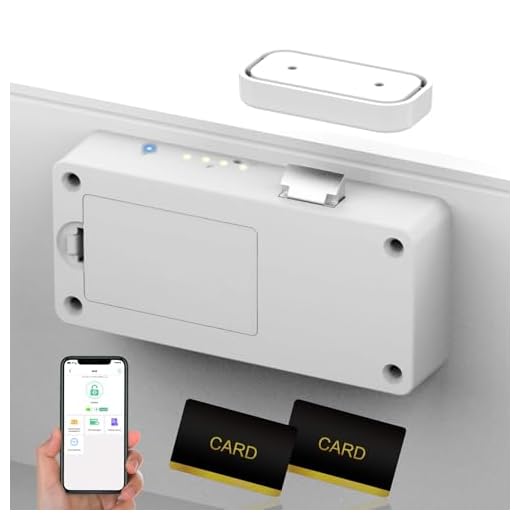
You’ll find smart lock features like temporary access codes and activity logs embedded in adhesive deadbolt covers that mount over existing hardware. Entry sensor types include magnetic contact sensors and vibration detectors—both utilizing 3M adhesive strips for damage-free installation.
| Device Category | Installation Method | Removal Risk |
|---|---|---|
| Adhesive Smart Locks | Over-the-lock mount | Zero damage |
| Magnetic Entry Sensors | Door frame adhesive | Minimal residue |
| Vibration Sensors | Surface-mount tape | Clean removal |
| Smart Peepholes | Existing peephole replacement | Reversible |
| Wireless Keypads | Wall-mount adhesive | No holes |
Document your original door configuration before installation. Store factory hardware securely. Review your lease’s security device clause—some policies require landlord notification even for non-permanent installations. Test adhesive strength quarterly to prevent unauthorized access from device failure.
Plug-and-Play Smart Plugs and Power Strips
Since smart plugs require no installation beyond inserting them into existing outlets, they’re the lowest-risk automation option for rental properties.
You’ll maintain complete control over your electrical devices without modifying landlord-owned infrastructure or violating lease terms.

Priority considerations for deployment:
- Energy monitoring capabilities – Track consumption patterns to identify cost-reduction opportunities and justify rental expenses through documented efficiency gains.
- Surge protection integration – Protect your equipment investment while adding automation functionality; verify ratings meet your device requirements.
- Load capacity verification – Confirm amperage ratings before connecting high-draw appliances; overloaded circuits create liability exposure and potential lease violations.
- Smart plug features for scheduling – Implement automated power cycling for network equipment, climate control devices, and lighting without requiring hardwired timer installations.
Power strips with individual outlet control multiply your automation points per receptacle.
Document all devices in your move-out inventory to guarantee complete removal and zero lease complications.
Portable Smart Sensors for Monitoring Your Space

Deploy portable air quality monitors to document baseline conditions upon move-in, protecting you against unfounded damage claims.
These battery-powered devices track particulates, VOCs, humidity, and temperature without requiring mounting hardware or electrical modifications. You’ll establish verifiable evidence of pre-existing mold risks, ventilation deficiencies, or structural moisture issues that landlords might otherwise attribute to tenant negligence.

Document air quality from day one to prove pre-existing conditions and shield yourself from unjust liability for structural defects beyond your control.
Wireless noise monitors provide decibel-level documentation for lease violation disputes with neighboring tenants or building management failures.
Position these sensors strategically to capture disturbances affecting your quiet enjoyment rights without violating recording consent laws.
Motion and water leak sensors require only adhesive strips, offering instant removal capability while protecting your belongings from preventable damage.
Document all sensor placements photographically, ensuring your monitoring infrastructure leaves zero trace upon vacancy.
Maintain timestamped data logs for potential deposit disputes or habitability claims.
Frequently Asked Questions
Will My Landlord Allow Me to Install Smart Home Devices?
You’ll need to review your lease agreement and secure installation permissions before proceeding.
Landlord policies vary greatly—some prohibit permanent modifications while others allow reversible installations.
Don’t assume permission; always request written approval to protect yourself from deposit deductions or lease violations.
Focus on non-invasive devices like smart plugs, battery-powered sensors, and removable strips.
If you’re planning anything requiring drilling or wiring, you must obtain explicit consent.
Document all communications to maintain control over potential disputes.
Do Smart Home Devices Increase Electricity Costs Significantly?
You’ll barely notice the difference—it’s a drop in the bucket. Most smart devices actually promote energy efficiency through automated scheduling and monitoring features.
You’ll achieve cost savings by controlling power-hungry appliances remotely and eliminating phantom energy drain. However, you must audit device specifications before installation and establish usage policies to maintain control.
Calculate wattage consumption, review warranty terms, and inspect devices quarterly. Strategic implementation puts you firmly in command of your energy expenditure, not the other way around.
Can I Get My Security Deposit Back With Smart Devices Installed?
You’ll get your security deposit back if you’ve installed removable smart devices that don’t damage walls or violate lease terms.
Before installation, review your rental agreement’s modification policies and document pre-existing conditions.
Stick with adhesive mounts, plug-in devices, and wireless systems—avoid hardwiring or permanent alterations.
Upon move-out, remove all equipment, patch any minor holes, and restore original fixtures.
Keep installation photos as proof you’ve maintained the property’s condition and complied with all requirements.
What Happens to My Smart Home Setup When I Move?
You’ll take most devices with you since smart device portability is their key advantage.
Plan moving logistics carefully: document removal procedures, reset all devices to factory settings, and update your insurance policy during transit.
You’re responsible for proper disconnection to avoid property damage—photograph wall conditions before and after.
Don’t forget to revoke app permissions and remove your network credentials.
Keep original packaging and mounting hardware; you’ll need them for your next rental installation.
Do I Need Renter’s Insurance to Cover Smart Home Devices?
You’ll absolutely need renter’s insurance for adequate device coverage—over 60% of renters lack sufficient protection for their tech investments.
Standard policies typically cover smart home equipment, but you must document serial numbers, purchase receipts, and current values.
Review your policy’s electronics limits carefully; high-end setups often exceed standard caps. You’re protecting significant assets here, so verify replacement cost coverage rather than actual cash value.
Update your inventory annually and maintain proof of ownership to expedite claims and enhance your reimbursement power.
Conclusion
You’ve seen how these renter-friendly devices let you modernize your space without crossing the line with your landlord. Before purchasing anything, review your lease’s modification clauses and verify each device’s adhesive won’t damage surfaces. Document your apartment’s condition before installation, keep original fixtures accessible, and maintain warranties on all equipment. Smart home technology shouldn’t become a financial landmine when you’re moving out—choose wisely, install carefully, and you’ll reclaim your full deposit while taking your investment with you.
🔌 Editor’s Pick
Editor’s Pick: Smart home hub—controls thermostat, plugs, lights, and doorbell without permanent installation.
Make Your Home Smarter
Device reviews, automations, and the deals worth grabbing.
Related Articles You Might Like