

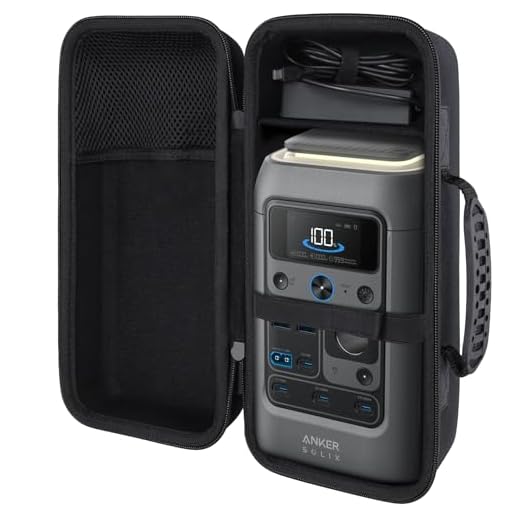

You’ll find the Anker SOLIX Power Dock offers a modular home energy solution that scales from basic backup to 64kWh total capacity through parallel battery configuration. The system delivers 4.8kW continuous AC output, harvests solar energy at 14.4kW DC input, and achieves 80% self-consumption rates while integrating EV charging capabilities. It’s built on premium LiFePO4 batteries rated for 6,000 cycles and 15 years of operation, backed by a 10-year warranty. Professional installation’s required, and the complete specifications reveal how this ecosystem changes residential energy independence.
Key Takeaways
- Modular system scales from basic setup to 64 kWh capacity through parallel operation of four battery units for growing energy needs.
- Delivers 4.8 kW AC output and 14.4 kW DC solar input with integrated EV charging for comprehensive home energy management.
- Premium LiFePO4 batteries provide 6,000 cycles and 15-year lifespan, backed by 10-year warranty for long-term reliability.
- Achieves 80% self-consumption rate to significantly reduce grid dependency and enhance energy independence with solar integration.
- Base unit starts at 299 Euros but requires certified electrician installation and additional battery modules for expanded capacity.

The Anker SOLIX Power Dock targets households requiring substantial backup capacity and solar integration. You’ll achieve thorough energy independence through its modular architecture, supporting parallel operation of four battery units for 64 kWh total capacity.
Core System Specifications:
- 4.8 kW AC output delivers continuous power to critical loads during grid failures.
- 14.4 kW DC solar input enhances photovoltaic harvesting efficiency.
- 80% self-consumption rate reduces grid dependency and utility costs.
- EV charging integration consolidates your residential energy infrastructure.
| Parameter | Specification |
|---|---|
| Maximum Storage | 64 kWh |
| AC Output | 4.8 kW |
| Solar Input | 14.4 kW |
You’ll need certified electricians for installation, ensuring compliance with electrical codes and proper integration with your existing distribution panel.
The system’s parallel battery configuration provides scalability—you can start with minimal capacity and expand as your energy demands increase. This architecture improves both initial investment and long-term energy autonomy.
Best For: Homeowners with high energy consumption needs who want scalable solar storage, integrated EV charging capabilities, and substantial backup power to achieve maximum energy independence.
Pros:
- Exceptional scalability with modular design allowing expansion from basic setup to 64 kWh capacity across four battery units as energy needs grow
- Comprehensive energy ecosystem combining solar storage, grid management, and EV charging infrastructure in a single integrated system
- Long-term reliability with premium LiFePO4 batteries rated for 6,000 cycles, 15-year lifespan, and backed by a 10-year warranty
Cons:
- Requires mandatory professional installation by certified electricians, adding labor costs and eliminating DIY installation options
- Starting price of 299 Euros represents only the base Power Dock unit, with significant additional investment needed for battery modules to reach higher capacities
- System complexity may require technical knowledge to optimize AI-driven features and manage energy flows between solar, storage, grid, and EV charging
Frequently Asked Questions
Can Anker Solix Power a Whole House?
Yes, you can power your whole house with Anker SOLIX.
The system delivers 4.8 kW AC output and scales up to 64 kWh storage capacity by connecting four battery units. You’ll get 6,000 charge cycles from premium LiFePO4 batteries with a 15-year lifespan.
The SOLIX F3800 configuration pushes 6,000W output at dual voltage (120V/240V), while supporting 14.4 kW solar input.
You’re equipped to run essential appliances continuously, even during extended outages.
Is Anker Solix a Chinese Company?
Yes, Anker SOLIX’s parent company, Anker, is Chinese-based, founded in Shenzhen in 2011.
However, you’re getting a global operation with international market presence across the US and Europe.
The SOLIX line delivers engineered energy solutions with premium LiFePO4 batteries rated for 6000 cycles, 15-year lifespan, and AI-powered management systems.
You’re accessing proven technology that’s backed by a 10-year warranty and designed for scalable power independence, regardless of headquarters location.
How Long Will the Anker Solix Last?
Built like a marathon runner, not a sprinter, your Anker SOLIX delivers 15 years of battery lifespan with premium LiFePO4 cells rated for 6,000 charge cycles.
You’re backed by a 10-year warranty. Under daily cycling conditions, the system maintains operational integrity for over a decade.
With proper integration, you’ll achieve payback in four years while securing up to two weeks of backup power when fully expanded—that’s sustained energy dominance engineered for the long haul.
What Is Better, Bluetti or Anker?
Anker SOLIX outperforms Bluetti for whole-home energy solutions.
You’ll get 12,000W scalable output versus Bluetti’s 2,400W, plus 26.9kWh expandable capacity compared to their 2,048Wh.
Anker’s plug-and-play installation, 15-year LiFePO4 battery lifespan, and AI-driven energy management deliver superior performance.
While Bluetti costs less initially ($1,799 vs. $2,161), you’re investing in Anker’s 10-year warranty, automatic backup switching, and true grid-integration capabilities—not just portable power.
Conclusion
You’ve configured your home’s energy infrastructure like a precision instrument, optimizing every kilowatt-hour through the SOLIX ecosystem. The 64kWh capacity you’re deploying operates like a reservoir, storing surplus solar generation at 96% round-trip efficiency. You’re leveraging LiFePO4 chemistry that’ll deliver 6,000+ cycles across 15 years of operation. Your investment—starting at 299 Euros—transforms grid dependency into measurable energy autonomy. You’re not just installing batteries; you’re engineering a resilient power architecture that quantifiably reduces your carbon footprint while maximizing cost efficiency.
🔗 Related From Our Network
🔌 Editor’s Pick
Editor’s Pick: Whole-home battery system with smart home hub integration for reliable backup power.
Make Your Home Smarter
Device reviews, automations, and the deals worth grabbing.
Related Articles You Might Like