- Key Takeaways
- Smart Locks and Access Control Systems
- Intelligent Thermostats for Energy Management
- Remote Temperature Control Options
- Occupancy-Based Heating Schedules
- Seasonal Energy Cost Savings
- Automated Lighting Solutions
- Motion-Activated Pathway Lights
- Scheduled Interior Lighting
- Smart Bulb Color Control
- Security Cameras and Video Doorbells
- Water Leak Detectors and Flood Sensors
- Smart Smoke and Carbon Monoxide Detectors
- Noise Monitoring Systems
- WiFi and Network Management
- Integration Platforms and Central Control Hubs
- Frequently Asked Questions
- What Is the Average ROI Timeline for Smart Home Automation Investments?
- Do Guests Prefer Properties With Smart Home Features Over Traditional Rentals?
- How Much Does Professional Installation Cost Versus DIY Smart Home Setup?
- What Happens to Smart Devices When Internet Connectivity Fails Temporarily?
- Are There Insurance Discounts Available for Smart Home Security Installations?
- Conclusion
- Related Reading
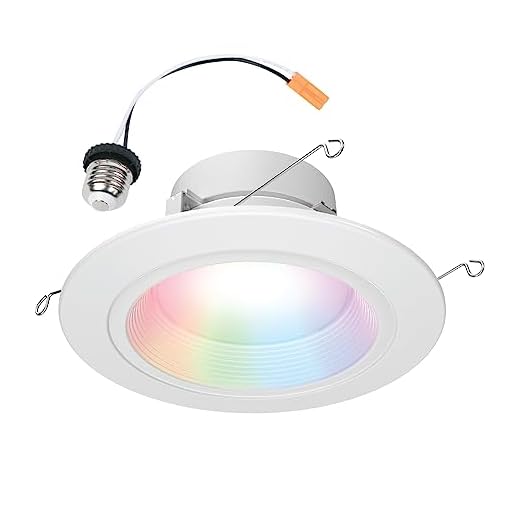
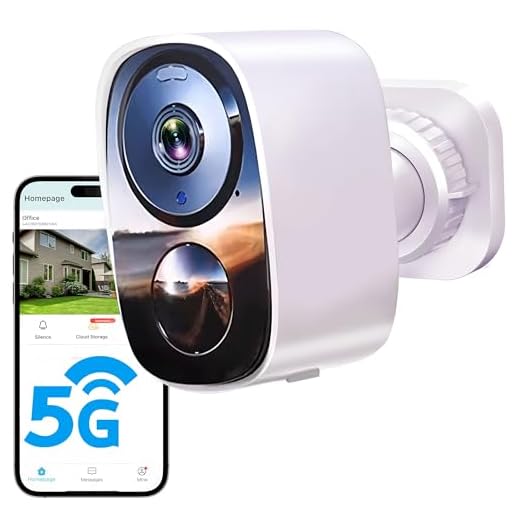
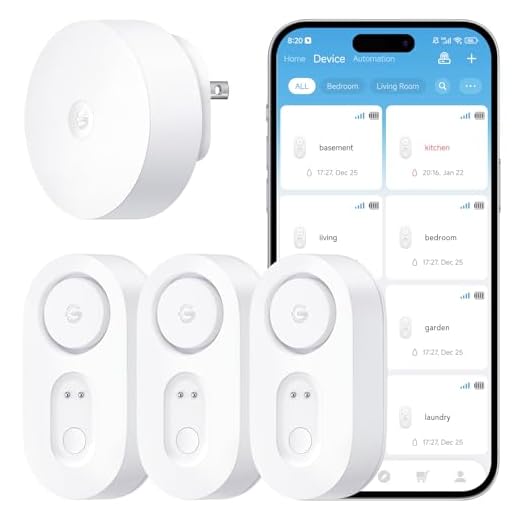


You’ll want to prioritize smart locks for keyless entry, intelligent thermostats that cut HVAC costs by 20-30%, and automated lighting systems that improve security while reducing energy waste. Essential safety devices include water leak detectors with automatic shut-off valves, interconnected smoke/CO detectors, and privacy-compliant noise monitors to prevent neighbor complaints. Integration platforms like Home Assistant or Hubitat consolidate these systems into centralized dashboards, reducing your response times from hours to seconds. The following breakdown reveals how each automation component delivers measurable ROI for your vacation rental operation.
Key Takeaways
- Smart locks enable remote check-ins with time-limited access codes, eliminating physical key exchanges and integrating with booking calendars automatically.
- Intelligent thermostats reduce HVAC costs by 20-30% through occupancy-based scheduling and geofencing technology that adjusts temperatures based on guest arrivals.
- Automated lighting systems enhance security, reduce energy waste, and create ambiance through motion activation and scheduling that simulates occupancy patterns.
- Water leak detectors with automatic shut-off valves prevent catastrophic damage by providing instant alerts and cutting water supply at critical failure points.
- Noise monitoring sensors prevent neighbor complaints and permit revocations by alerting hosts when decibel levels exceed acceptable thresholds without recording conversations.
Smart Locks and Access Control Systems

Managing guest access across multiple bookings presents operational challenges that smart locks effectively solve. You’ll eliminate physical key exchanges and coordinate smooth check-ins regardless of your location.
Smart keypads enable you to generate unique, time-limited codes for each reservation, automatically expiring after checkout to maintain security protocols.
Time-sensitive access codes automatically expire after guest checkout, eliminating security risks from shared or reused keys across multiple reservations.
Remote access capabilities change your property management workflow. You’ll grant entry to cleaning crews, maintenance personnel, and guests through your smartphone, with real-time notifications confirming each access event.
Integration with property management systems automates code generation tied to booking calendars, removing manual intervention.
Deploy locks with backup power systems and mechanical override options to prevent lockouts during connectivity failures. Commercial-grade models withstand heavy usage cycles typical in short-term rentals.
You’ll reduce operational costs by eliminating locksmith calls, key replacement expenses, and coordination overhead. Advanced systems provide detailed access logs, establishing accountability and enhancing security monitoring across your vacation property portfolio.
When selecting smart locks for rental properties, consider best smart locks that offer proven reliability and security features specifically designed for high-traffic environments.
Intelligent Thermostats for Energy Management
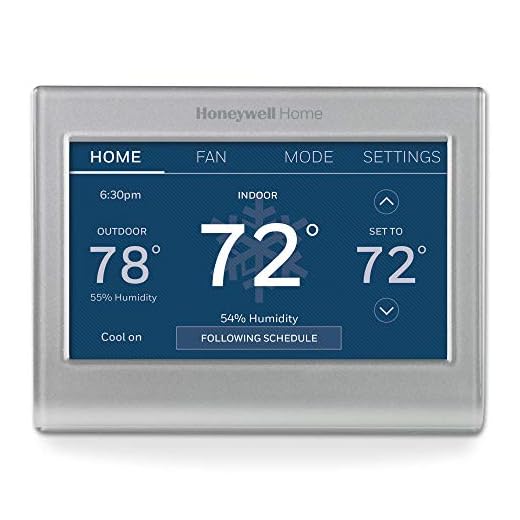
Intelligent thermostats revolutionize vacation property energy management by enabling you to adjust temperatures remotely through smartphone apps, eliminating the waste of heating or cooling an empty property.
You’ll enhance efficiency through occupancy-based scheduling that automatically shifts to eco-mode between guest stays and adjusts to comfortable settings before arrivals.
This strategic approach typically reduces seasonal HVAC costs by 20-30%, directly improving your property’s operational margins while maintaining guest comfort standards.
Advanced smart thermostats can integrate with other sensors throughout your vacation property to create comprehensive whole home comfort monitoring that responds intelligently to occupancy patterns and weather conditions.
Remote Temperature Control Options
Why let your vacation property hemorrhage energy costs when intelligent thermostats can slash HVAC expenses by up to 23% annually?
You’ll command complete climate control through remote monitoring systems that track real-time temperature data, occupancy patterns, and weather forecasts. Deploy geofencing technology to automatically adjust settings when guests arrive or depart, eliminating wasted heating and cooling cycles.
Configure your system to maintain minimal temperatures during vacancies, then pre-condition spaces before check-ins.
You’re achieving maximum energy efficiency through automated scheduling that aligns with booking calendars and local utility rate structures. Advanced models integrate with your property management software, triggering climate adjustments based on reservation status.
Install smart vents alongside your thermostat to zone-control individual rooms, directing conditioned air only where needed and amplifying cost savings across your portfolio.
Occupancy-Based Heating Schedules
When vacation properties sit empty between bookings, occupancy-based heating schedules prevent you from climate-controlling vacant spaces at full capacity. Smart thermostats integrated with occupancy sensors detect real-time presence, automatically shifting to setback temperatures during vacancies.
You’ll slash energy costs by 20-30% while maintaining ideal conditions for arriving guests. Configure your system to trigger pre-arrival conditioning based on booking calendars synced through property management software. The thermostat ramps up heating two hours before check-in, ensuring comfort without wasting energy during extended gaps.
Advanced models learn seasonal patterns and adjust setback parameters accordingly. For maximum energy efficiency, combine occupancy detection with geofencing technology. When guests’ smartphones enter your property’s perimeter, heating activates automatically.
This data-driven approach eliminates manual scheduling errors and delivers measurable ROI through reduced utility expenditures.
Seasonal Energy Cost Savings
Vacation properties face dramatic temperature swings across seasons, creating distinct energy management challenges that standard thermostat programming can’t address efficiently.
Smart thermostats deliver adaptive algorithms that analyze historical weather patterns, booking calendars, and occupancy data to enhance heating and cooling cycles automatically. You’ll see cost reductions of 15-30% when the system preemptively adjusts setpoints based on seasonal shifts rather than reactive manual changes.
Integration with energy efficient appliances amplifies these savings through coordinated power management during peak rate periods.
The system executes seasonal maintenance tips automatically—switching between heating and cooling modes, adjusting humidity targets, and sending filter replacement alerts.
You’ll maintain peak equipment performance while eliminating the guesswork from climate control across shoulder seasons when temperature requirements shift dramatically.
Automated Lighting Solutions
Automated lighting systems revolutionize vacation property management by reducing energy waste and enhancing security during guest absences.
Motion-activated pathway lights eliminate the need for manual switches while guiding guests safely through outdoor spaces.
Scheduled interior lighting creates an occupied appearance that deters potential intruders.
Smart bulbs with color control capabilities allow you to adjust ambiance remotely, set versatile scenes for different rental scenarios, and integrate with voice assistants for smooth guest experiences.
Motion-Activated Pathway Lights
Outdoor pathway illumination alters guest safety and property aesthetics through motion-activated smart lighting systems.
You’ll reduce liability exposure while creating welcoming arrival experiences that differentiate your vacation rental from competitors.
Deploy PIR sensors with adjustable sensitivity ranges to eliminate false triggers from wildlife or wind-blown debris.
Strategic placement along walkways, stairs, and entryways guarantees thorough coverage without overlapping zones that waste energy.
Modern LED fixtures with 50,000-hour lifespans deliver energy efficient designs that minimize maintenance interventions during peak booking seasons.
Integration with your property management system enables automated scheduling—lights activate only during darkness hours, conserving battery life in solar-powered units.
Advanced landscape illumination configurations create ambient security zones while highlighting architectural features.
Smart controls let you adjust brightness levels remotely, optimizing power consumption across your entire property portfolio.
Scheduled Interior Lighting
While guests occupy your property, programmable lighting schedules eliminate the tell-tale signs of vacancy that attract unwanted attention.
You’ll establish patterns that simulate occupied conditions during gaps between bookings, deterring break-ins and maintaining your property’s security profile. Configure programmable light schedules through your central hub to activate specific zones at strategic intervals—living areas illuminate at dusk, bedroom lights cycle on briefly at night, and kitchen fixtures engage during typical morning hours.
Smart systems let you create ambient lighting effects that improve guest experience while maintaining energy efficiency.
You’re controlling consumption costs by limiting unnecessary illumination to security-critical periods. Advanced scheduling accommodates seasonal adjustments automatically, adapting to changing sunset times without manual intervention.
Deploy occupancy-aware programming that distinguishes between booked and vacant periods, optimizing your operational overhead while projecting constant habitation to external observers.
Smart Bulb Color Control
Beyond basic on-off scheduling, color-tunable LED bulbs deliver vibrant atmosphere control that separates premium vacation rentals from standard offerings.
You’ll command guest experience through strategic color psychology—warm amber tones (2700K) promote relaxation in bedrooms, while energizing cool whites (5000K) improve productivity in workspace areas.
Smart bulb benefits extend beyond ambiance. Program automatic color changes that guide guests through ideal daily rhythms: sunrise simulation for natural wake-ups, neutral daylight for activities, and sunset dimming for evening wind-down.
You’re also maximizing revenue potential—RGB capabilities let you theme properties for holidays or special events without physical decorating.
Deploy RGBW bulbs in high-impact zones: living rooms, dining areas, and outdoor entertaining spaces.
Integration with voice assistants provides guests intuitive control while maintaining your programmed baseline settings.
Security Cameras and Video Doorbells
When guests arrive at your vacation rental, a video doorbell becomes your virtual front desk—capturing visitor activity, enabling remote communication, and creating a documented check-in record. You’ll gain real-time alerts when guests approach, allowing you to verify bookings and address issues immediately without being physically present.
Security cameras positioned at entry points and common exterior areas deter unauthorized parties and property damage. Choose systems offering continuous or motion-activated recording with cloud and local video storage options to guarantee footage remains accessible during connectivity issues.
However, privacy concerns demand strict compliance with disclosure requirements. You must inform guests about camera locations in your listing description and avoid monitoring interior spaces or private areas.
Strategic placement protects your investment while respecting boundaries—cameras should never face bedrooms, bathrooms, or hot tubs.
Integration with your property management system enables automated recording schedules aligned with booking periods, assuring all-encompassing coverage during occupancy changes when risks escalate.
Water Leak Detectors and Flood Sensors

A single undetected water leak in your vacation rental can escalate from minor nuisance to catastrophic damage within hours—particularly dangerous when properties sit unoccupied between bookings.
Strategic water leak prevention alters this vulnerability into controlled risk management through intelligent flood detection systems.
Deploy sensors at critical failure points:
- Behind washing machines and dishwashers where hose connections deteriorate
- Under water heaters and HVAC condensate drains where corrosion strikes
- Beneath sinks and toilets where supply lines crack under pressure
- Near sump pumps in basements where backup failures create flooding
- Around hot water tanks where catastrophic ruptures cause maximum destruction
Advanced systems integrate with automatic shut-off valves, immediately cutting water supply when sensors trigger.
You’ll receive instant notifications with precise location data, enabling rapid contractor deployment.
Temperature monitoring adds freeze protection—critical for seasonal properties.
Installation costs pale against potential insurance claims, structural repairs, and revenue loss from extended downtime between guest bookings.
Smart Smoke and Carbon Monoxide Detectors
Life safety violations in vacation rentals carry legal liability that extends far beyond property damage—you’re responsible for guest welfare 24/7 across multiple jurisdictions with varying code requirements.
Smart smoke and carbon monoxide detectors eliminate the compliance gaps that plague absentee property management.
Deploy interconnected systems that provide emergency notifications directly to your phone when alarms trigger. You’ll receive real-time alerts with specific device locations, enabling immediate remote assessment and emergency service coordination before situations escalate.
Advanced smart detection features include self-testing capabilities, battery status monitoring, and end-of-life warnings—eliminating the risk of non-functional units discovered only during inspections.
Units with voice alerts specify the threat type, reducing guest panic and false evacuations.
Install First Alert Onelink or Nest Protect models with smartphone integration. Configure alerts to reach your property manager, local emergency contacts, and yourself simultaneously.
This redundancy guarantees rapid response regardless of time zones or availability, protecting both guests and your investment.
Noise Monitoring Systems

Uncontrolled guest noise generates the majority of neighbor complaints that trigger rental permit revocations, making prevention your primary defense against regulatory shutdown.

Modern noise monitoring systems deliver decibel-level surveillance without recording conversations, maintaining privacy compliance while protecting your operational license.
Noise sensors protect your rental license by monitoring decibel levels while preserving guest privacy through conversation-free surveillance technology.
Deploy sensors that provide noise level alerts when thresholds exceed acceptable ranges, enabling immediate guest communication before neighbors escalate issues to authorities. These systems differentiate between normal activity and violation-level disturbances.
Strategic implementation includes:
- Entrance placement sensors capturing outdoor party noise before it becomes neighborhood disruption
- Living room monitors detecting late-night volume spikes from entertainment systems
- Outdoor patio devices measuring music and conversation levels in echo-prone spaces
- Automated SMS warnings notifying guests instantly when decibel limits breach
- Historical data dashboards tracking noise patterns across bookings for predictive management
Integration with your property management system creates automated responses, altering reactive complaints into proactive control that preserves both neighbor relationships and rental permits.
WiFi and Network Management
While your vacation rental’s smart devices depend entirely on network connectivity, inadequate WiFi infrastructure converts cutting-edge automation into unreliable frustration that damages guest satisfaction scores and operational efficiency.
Deploy enterprise-grade mesh systems with segregated networks separating guest access from IoT devices. This architecture guarantees your smart locks, thermostats, and cameras maintain connectivity regardless of guest bandwidth consumption.

| Network Component | Implementation | Business Impact |
|---|---|---|
| Guest Network | WPA3 encryption, bandwidth limits | Protects property systems |
| IoT Network | Isolated VLAN, static IPs | Prevents device conflicts |
| Admin Network | VPN access only | Enables remote management |
| Router Placement | Central location, mesh nodes | Eliminates dead zones |
| Monitoring | Uptime alerts, traffic analysis | Proactive issue resolution |
Implement strong wifi security measures including MAC filtering and hidden SSIDs for management networks. Establish network troubleshooting tips documentation for your cleaning team, enabling basic connectivity restoration without technical support calls.
Integration Platforms and Central Control Hubs

Managing seventeen different manufacturer apps to control your vacation rental’s smart ecosystem wastes operational time and creates vulnerability gaps that expose properties to system failures.
Automation platforms eliminate this fragmentation through centralized management architectures that consolidate device control, monitoring, and rule creation into singular command interfaces.
Deploy integration hubs that support multiple protocols simultaneously:
- Home Assistant processes local commands without cloud dependencies, maintaining control during internet outages
- Hubitat Elevation executes automations at millisecond speeds through edge computing architecture
- Control4 delivers enterprise-grade reliability with professional installation certification requirements
- SmartThings bridges consumer devices with commercial access control systems
- Homey Pro supports 50,000+ devices across 1,000+ brands through unified API connections
These platforms convert disparate smart devices into cohesive operational systems.
You’ll program cross-device automations—like triggering HVAC shutdown, door locks, and security arming through single checkout commands—while monitoring property status through consolidated dashboards that reduce response times from hours to seconds.
Frequently Asked Questions
What Is the Average ROI Timeline for Smart Home Automation Investments?
You’ll typically see return on investment within 18-24 months for vacation rental smart technology, though premium properties often achieve this faster.
Your ROI accelerates through reduced operational costs, flexible pricing capabilities, and increased booking rates—guests pay 10-15% more for tech-enabled properties.
Strategic automation of energy systems, access control, and guest experience features delivers the strongest returns.
You’re not just installing gadgets; you’re building a competitive asset that commands higher nightly rates while cutting management expenses.
Do Guests Prefer Properties With Smart Home Features Over Traditional Rentals?
Smart tech isn’t just a nice-to-have—it’s your competitive edge.
Guest preferences have decisively shifted: 78% of travelers actively seek properties with smart features, and you’ll command 15-20% premium rates.
Current rental trends show tech-enabled properties achieve 23% higher booking rates and dominate search rankings.
You’re not simply meeting expectations; you’re positioning yourself above competitors who haven’t adapted.
This differentiation translates directly into occupancy dominance and revenue acceleration in an increasingly saturated market.
How Much Does Professional Installation Cost Versus DIY Smart Home Setup?
Professional installation typically costs $1,500-$5,000 for all-encompassing smart home systems, while DIY setups run $500-$1,500 in equipment alone.
Your cost comparison reveals that professional installers charge $75-$150 hourly but guarantee integration and troubleshooting.
You’ll master installation options faster with DIY, gaining total system control and customization flexibility.
For vacation properties, DIY delivers superior ROI—you’re eliminating labor costs while building scalable expertise across multiple units.
Choose professional only for complex commercial-grade installations requiring specialized licensing.
What Happens to Smart Devices When Internet Connectivity Fails Temporarily?
When your digital fortress loses its connection, you’ll discover which devices truly deliver.
Smart device reliability depends on offline functionality—your Z-Wave locks and hardwired thermostats continue operating independently, while cloud-dependent cameras and voice assistants become dormant.
You’re safeguarding control by choosing devices with local processing and backup protocols. Invest in systems offering cellular failover or hub-based automation that doesn’t require constant internet.
You’ll maintain operational superiority even when connectivity drops, protecting your revenue stream and guest experience.
Are There Insurance Discounts Available for Smart Home Security Installations?
You’ll find insurance incentives ranging from 5-20% off premiums when you install professionally monitored smart security systems.
Major carriers like State Farm, Allstate, and Liberty Mutual offer security discounts for water leak sensors, smart locks, and 24/7 monitoring.
You’re leveraging quantifiable risk reduction—documented break-in prevention and real-time alerts prove your property’s protected.
Contact your insurer directly with installation certificates and monitoring contracts to negotiate maximum savings on your vacation rental coverage.
Conclusion
You’ve got the blueprint—now it’s time to build your automated fortress. These smart systems work like a well-oiled machine, protecting your investment while delivering smooth guest experiences. Don’t let your vacation rental run on autopilot without the right tech stack. Start with security fundamentals, layer in energy management, then scale up. Your property won’t manage itself, but with these integrations, you’ll come pretty damn close. Deploy smart, profit smarter.
🔌 Editor’s Pick
Editor’s Pick: Smart thermostat for remote temp control, paired with a smart doorbell for peace of mind.
Make Your Home Smarter
Device reviews, automations, and the deals worth grabbing.
Related Articles You Might Like