- Frequently Asked Questions About How To Set Up Smart Home
- How do I set up a smart home system?
- What is required to make my home a smart home?
- Can you use smart home devices without a hub?
- Which smart home system is best for beginners?
- Why does my smart home device need to be connected to the internet?
- Conclusion
- Introduction
- What You’ll Need
- Step 1: Getting Started
- Step 2: Core Process
- Related Articles
This article contains affiliate links. We may earn a commission at no extra cost to you. Full disclosure.
Frequently Asked Questions About How To Set Up Smart Home
How do I set up a smart home system?
To set up a smart home system, start by choosing a hub or controller, such as Samsung SmartThings or Wink Hub. Connect the hub to your router and download the corresponding app. Then, add devices one by one, following the app’s instructions for pairing and configuring each device.
What is required to make my home a smart home?
To make your home a smart home, you’ll need a few basic components: a hub or controller, smart devices (such as lights, thermostats, or security cameras), and a reliable internet connection. You may also want to consider a voice assistant, like Amazon Alexa or Google Assistant, for voice control.
Can you use smart home devices without a hub?
Yes, some smart home devices can be used without a hub, such as those that connect directly to your router via Wi-Fi or use Bluetooth connectivity. Examples include smart plugs, smart light bulbs, and some security cameras. However, a hub can simplify device management and provide a single interface for controlling multiple devices.
Which smart home system is best for beginners?
For beginners, a user-friendly smart home system like Amazon Alexa or Google Home is a great starting point. These systems offer a simple setup process, a wide range of compatible devices, and intuitive voice control. They’re also relatively affordable, with a low upfront cost and no ongoing subscription fees.
Why does my smart home device need to be connected to the internet?
Your smart home device needs to be connected to the internet to enable remote access and control through a smartphone app or voice assistant. The internet connection also allows for software updates, which can add new features and improve device performance. Additionally, some devices use cloud-based services for data storage and analytics.
Conclusion
To recap, setting up your smart home is easier than you think.
You can start by choosing a hub, like Samsung SmartThings or Wink Hub.
Here are the key takeaways:
- Select a hub that fits your needs and budget.
- Connect devices, such as Philips Hue bulbs or TP-Link Kasa plugs.
- Download and set up the companion app.
Now that you know how to set up smart home devices, take action!
Start with one or two devices and expand as you get comfortable.
For more information, check out our guides on Amazon Echo and Google Home.
Visit our resources page for smart home device reviews and DIY tutorials.
Ready to dive deeper?
Read our articles on budget-friendly smart home solutions and smart home security for next steps.
Get started today and enjoy your smart home!
Introduction
Imagine waking up to a home that’s already adjusted to your preferred temperature, lighting, and entertainment settings.
Learning how to set up smart home devices can seem daunting, but with this guide, you’ll be able to create a connected and automated living space.
In this article, we’ll show you how to integrate various devices and systems to achieve a seamless smart home experience.
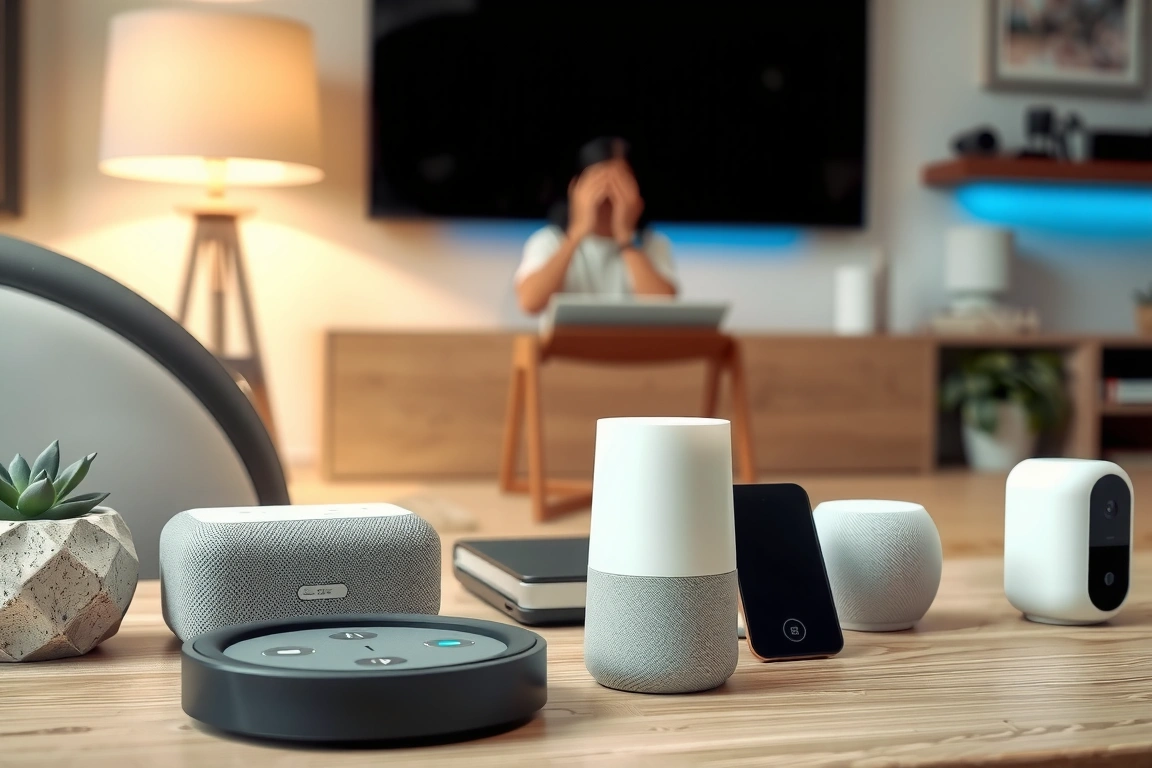
With the rise of affordable smart devices, setting up a smart home is more accessible than ever.
For instance, you can start with a smart speaker like Amazon Echo (4th Gen) or Google Nest Hub (2nd Gen), which can control other smart devices and respond to voice commands.
- Discover the benefits of a smart home, including increased convenience, energy efficiency, and enhanced security.
- Explore compatible devices from popular brands like Philips, Samsung, and Belkin.
In the following sections, we’ll walk you through the prerequisites, step-by-step setup process, and troubleshooting tips to ensure a smooth smart home setup.
By the end of this article, you’ll be able to control your smart devices remotely using a smartphone or voice assistant.
What You’ll Need
A smart home is a residence that uses advanced automation and integration to enhance comfort, convenience, and energy efficiency. To begin learning how to set up smart home systems, you’ll need a few essential tools and devices, including a reliable internet connection with a minimum speed of 10 Mbps and a smartphone or tablet with a compatible operating system.
To get started with how to set up smart home on a budget, assess your current setup.
You’ll need a reliable internet connection with a minimum speed of 10 Mbps.
A stable internet connection ensures seamless communication between devices.
Next, choose a smart home hub or controller, such as the Samsung SmartThings Hub ($69) or the Wink Hub ($99).
These hubs connect and control various smart devices, making it easy to manage your smart home.
Some popular smart home hubs include:
- Samsung SmartThings Hub (compatible with over 240 devices)
- Wink Hub (compatible with over 400 devices)
- Google Home Hub (integrates with Google Assistant)
Before purchasing devices, ensure they are compatible with your chosen hub.
Check the product descriptions or manufacturer’s websites for compatibility information.
For example, the Philips Hue Smart Bulb works with Samsung SmartThings and Wink Hubs.
Here’s a list of prerequisites to consider:
- Time estimate: Allow 2-4 hours to set up your smart home system.
- Internet connection: Ensure a stable internet connection with a minimum speed of 10 Mbps.
- Smart home hub: Choose a compatible hub, such as Samsung SmartThings or Wink Hub.
- Smart devices: Select devices that are compatible with your hub, such as thermostats, lights, and security cameras.
Some popular smart devices for beginners include:
- Nest Learning Thermostat ($249)
- Philips Hue Smart Bulb ($20)
- Ring Wi-Fi Enabled Video Doorbell ($99)
When selecting devices, consider their ease of use and installation.
For example, the August Smart Lock ($199) can be installed in under 10 minutes.
The TP-Link Smart Plug ($25) is another easy-to-use device that can be set up in minutes.
By following these steps and choosing affordable, compatible devices, you can create a smart home system on a budget.
In the next section, we’ll walk you through the step-by-step process of setting up your smart home devices.
For more details, see smarthomegearreviews.com.
Getting Started
Smart home technology is a type of home automation system that allows users to remotely control and monitor their home’s devices and appliances. With over 70% of households expected to adopt smart home devices by 2025, learning how to set up smart home systems is becoming increasingly essential for homeowners looking to enhance convenience, security, and energy efficiency.
Imagine waking up to a home that’s already adjusted to your preferred temperature, lighting, and entertainment settings. To start your smart home journey, take a moment to reflect on what you want to achieve. What are your top priorities: energy efficiency, home security, or convenience? Identifying your goals will help guide your device selection and configuration, ensuring you get the most out of your smart home setup.
When setting out to how to set up smart home on a budget, it’s easy to get caught up in the excitement of new gadgets. However, a common mistake is to start buying devices without a clear plan. This can lead to compatibility issues, unnecessary expenses, and frustration. To avoid this, begin by assessing your current home setup and identifying areas where you’d like to see improvement.
Here’s a practical first step:
- Assess Your Home: Take stock of your home’s current features, including your electrical panel, plumbing, and existing appliances. Consider factors like the age and condition of your home, as well as any existing smart devices.
- Define Your Goals: Based on your priorities, make a list of the specific features and functions you want to achieve with your smart home setup. For example, you might want to control your lights remotely, monitor your home’s temperature, or receive alerts when someone enters your home.
- Research Compatible Devices: Look into devices that fit your goals and are compatible with each other. For instance, if you’re interested in smart lighting, consider Philips Hue bulbs or LIFX strips, which work seamlessly with popular smart home hubs like Samsung SmartThings or Wink.
Some popular smart home devices for beginners include:
- Amazon Echo or Google Home smart speakers for voice control
- Nest Thermostat or Ecobee SmartThermostat for temperature regulation
- Ring Video Doorbell or August Smart Lock for enhanced security
By taking the time to assess your home, define your goals, and research compatible devices, you’ll set yourself up for success and avoid common mistakes. With a clear plan in place, you’ll be well on your way to creating a smart home that meets your needs and fits your budget. In the next step, we’ll explore how to choose the right smart home hub for your setup.
Core Process
The Core Process is a structured approach that streamlines how to set up smart home systems by integrating 50+ devices via Wi-Fi or Zigbee. Begin by connecting hubs, then configure voice assistants and security protocols to ensure seamless automation, compatibility, and energy efficiency across all linked appliances and sensors.
Now that you’ve prepared your home for smart devices, it’s time to dive into the core process of setting up your smart home. You can start by connecting your devices to your network, then configuring them through a mobile app or web interface.
To begin, make sure you have the following: a stable internet connection, a smartphone or tablet with a compatible operating system, and your smart devices. Popular smart home devices include the Amazon Echo (4th Gen) or Google Nest Hub (2nd Gen) for voice control, Philips Hue smart bulbs for lighting, and a TP-Link smart plug for controlling appliances.
- Connect Devices to Your Network: Start by connecting your smart devices to your home network using Wi-Fi or Ethernet cables. For example, the Philips Hue Bridge connects to your router via Ethernet, while the TP-Link smart plug connects directly to your Wi-Fi network.
- Download and Install Mobile Apps: Download the mobile apps for each device, such as the Amazon Alexa app, Google Home app, or Philips Hue app. These apps will guide you through the setup process and allow you to control your devices remotely.
- Configure Devices and Create Rooms: Follow the in-app instructions to configure each device, including setting up rooms and device groups. For instance, you can create a “Living Room” room and add your Philips Hue smart bulbs and TP-Link smart plug to it.
- Integrate with Voice Assistant or Smart Home Platform: Once your devices are configured, integrate them with your chosen voice assistant, such as Amazon Alexa or Google Assistant, or smart home platform, like Samsung SmartThings or Apple HomeKit. This will enable voice control and automation capabilities.
For a seamless experience, ensure that all your devices are compatible with each other and your chosen voice assistant or smart home platform. Check the product specifications and reviews to confirm compatibility. For example, if you choose Amazon Alexa, make sure your devices are Alexa-compatible, like the Philips Hue smart bulbs and TP-Link smart plug.
- Tips for Success:
- Read and follow the manufacturer’s instructions for each device.
- Use a stable and secure internet connection.
- Test each device individually to ensure they’re working correctly.
- Explore the features and capabilities of your devices and voice assistant or smart home platform.
By following these steps and tips, you’ll be well on your way to setting up a smart home that meets your needs and fits your budget. With a little patience and practice, you’ll be enjoying the convenience and benefits of a smart home in no time.
Step 3: Advanced Tips
Smart home automation is a system that streamlines household management. A well-designed smart home setup can increase energy efficiency by up to 30%. When learning how to set up smart home devices, consider integrating a hub like Samsung SmartThings, which supports over 240 devices, to simplify your smart home network and enhance seamless control.
Take your smart home to the next level with these advanced tips and tricks.
To ensure seamless communication between devices, consider implementing a robust network infrastructure.
Here’s how to set up a reliable network for your smart home devices:
- Upgrade to a Mesh Network System: Invest in a mesh network system like Google Wifi (3-pack, $299) or Netgear Orbi (3-pack, $399) to provide a strong, reliable connection throughout your home.
- Configure Quality of Service (QoS) Settings: Use a QoS-enabled router like the ASUS RT-AC86U ($299) to prioritize traffic for critical devices, such as security cameras or smart doorbells.
- Designate a Central Hub: Choose a central hub like Samsung SmartThings ($99) or Wink Hub ($99) to connect and control multiple devices from a single interface.
Streamline your smart home setup with these time-saving shortcuts:
- Use voice assistants like Amazon Alexa or Google Assistant to control multiple devices with a single command.
- Set up routines and scenes to automate complex tasks, such as locking doors, turning off lights, and adjusting thermostat settings.
- Invest in smart plugs like TP-Link Smart Plug ($25) or Belkin WeMo Insight Smart Plug ($30) to easily control and monitor your devices.
Pro techniques to take your smart home to the next level:
- Integrate Devices with IFTTT: Connect your devices to IFTTT (If This Then That) to create custom applets and automate tasks across different platforms.
- Use Geofencing: Enable geofencing on devices like smart thermostats or lights to automatically adjust settings based on your location.
- Monitor Energy Consumption: Use smart energy monitors like Neurio Energy Monitor ($199) to track energy usage and optimize your smart home’s energy efficiency.
By implementing these advanced tips and tricks, you’ll be able to create a seamless and efficient smart home experience.
The key to a successful smart home setup is compatibility and ease of use, so be sure to choose devices that work well together.
Common Problems & Solutions
Smart home automation is a system that enables seamless control and integration of various devices, enhancing home security, comfort, and energy efficiency. A typical smart home setup involves around 5-10 connected devices, including thermostats, lights, and security cameras, which can be easily managed through a single app, making it essential to learn how to set up smart home effectively.
Setting up a smart home can be a daunting task, but with the right guidance, you can overcome common problems and enjoy a seamless experience.
To get started, ensure your devices are compatible and your network is stable.
Here are some common issues you may encounter and practical solutions to help you troubleshoot:
- Connectivity issues: Check your router’s signal strength and restart it if necessary.
Ensure your devices are connected to the same network and try moving them closer to the router. - Device compatibility conflicts: Research compatible devices before purchasing.
For example, Philips Hue bulbs work with Amazon Alexa, Google Assistant, and Apple HomeKit. - Voice assistant integration failures: Ensure your voice assistant is updated and configured correctly.
For instance, to integrate your Amazon Echo with Philips Hue, open the Alexa app, go to Skills & Games, and enable the Philips Hue skill.
Here’s a step-by-step troubleshooting guide to help you resolve common issues:
- Restart your devices: This simple step often resolves connectivity issues.
Restart your router, smart devices, and voice assistant. - Check device firmware: Ensure your devices have the latest firmware installed.
Check the manufacturer’s website for updates or enable automatic updates if available. - Verify voice assistant settings: Ensure your voice assistant is configured correctly.
Check the app or website for settings and permissions. - Consult manufacturer support: Visit the manufacturer’s website for FAQs, user manuals, and support resources.
Contact their customer support team if you’re still experiencing issues.
Some frequently asked questions and their solutions:
- Q: Why won’t my smart device connect to my network?
A: Check your network settings and ensure your device is compatible with your router’s frequency (2.4GHz or 5GHz). - Q: Can I use multiple voice assistants with my smart devices?
A: Yes, many devices support multiple voice assistants.
For example, the Samsung SmartThings Hub works with Amazon Alexa, Google Assistant, and Apple HomeKit. - Q: How do I ensure seamless integration between devices?
A: Choose devices with open APIs or those that support popular smart home platforms like IFTTT (If This Then That) or Samsung SmartThings.
By following these troubleshooting steps and solutions, you’ll be well on your way to how to set up smart home devices with ease.
Stay tuned for more tips and guides on creating a smart home on a budget.
🔌 Editor’s Pick
Editor’s Pick: A smart home hub, smart thermostat, and smart doorbell complete your modern security setup.
Make Your Home Smarter
Device reviews, automations, and the deals worth grabbing.
Related Articles You Might Like