- Frequently Asked Questions About Matter Smart Home Standard
- What is Matter smart home standard?
- How do I use Matter with my existing smart devices?
- Why does Matter smart home standard use Bluetooth?
- Which devices are compatible with Matter smart home standard?
- Can you use Matter smart home standard with Amazon Alexa?
- Conclusion
- Introduction
- Understanding Matter Smart Home Standard
- Key Benefits
- How It Works
- Common Mistakes to Avoid
- Expert Tips
This article contains affiliate links. We may earn a commission at no extra cost to you. Full disclosure.
Frequently Asked Questions About Matter Smart Home Standard
What is Matter smart home standard?
Matter is an open-source, interoperable smart home standard that allows different devices and systems to work together seamlessly. It enables devices from various manufacturers to communicate with each other, providing a unified and integrated smart home experience.
How do I use Matter with my existing smart devices?
To use Matter with your existing smart devices, you’ll need a Matter-compatible hub or controller, such as an Apple HomePod or a Google Home device. Once set up, you can connect your Matter-enabled devices to the hub, allowing them to communicate with each other and enabling features like voice control and automation.
Why does Matter smart home standard use Bluetooth?
Matter uses Bluetooth Low Energy (BLE) for device discovery and setup, allowing for easy and secure connections between devices. This enables a seamless user experience and facilitates the integration of various devices from different manufacturers.
Which devices are compatible with Matter smart home standard?
Many popular smart home devices are now Matter-compatible, including those from manufacturers like Philips, IKEA, and TP-Link. Some examples of Matter-compatible devices include smart bulbs, plugs, and thermostats. You can check the Matter website for the latest list of certified devices.
⭐ Google Nest
Smart home ecosystem — thermostats, cameras, displays.
Affiliate link
Can you use Matter smart home standard with Amazon Alexa?
Yes, Amazon Alexa supports Matter, allowing you to control Matter-enabled devices with voice commands through Alexa. This means you can use Alexa to turn on lights, adjust thermostats, and more, all within the Matter ecosystem. Make sure your device is Matter-certified and connected to an Alexa-enabled hub or device.
Conclusion
By implementing the Matter smart home standard, you can enjoy a unified smart home experience.
To get started, follow these steps:
- Check if your devices are Matter-certified, like the Philips Hue Bridge and Apple HomePod.
- Ensure your hub or controller supports Matter, such as Samsung SmartThings.
- Download and install the latest firmware for your devices.
Key takeaways include: seamless integration, enhanced security, and expanded device compatibility.
The Matter smart home standard solves interoperability issues, allowing devices from different brands to work together.
With over 100 devices already certified, you can now easily expand your smart home.
Next steps: explore Matter-compatible products, plan your smart home setup, and visit the Matter website for resources.
Take control of your smart home today and experience the power of Matter.
Sign up for our newsletter for more smart home tips and Matter updates.
Introduction
Imagine a smart home where all devices work seamlessly together, regardless of the brand or protocol. With the matter smart home standard, this vision is becoming a reality. This open-source, IP-based connectivity protocol enables different devices and ecosystems to communicate with each other, solving the interoperability issues that have plagued the smart home industry.
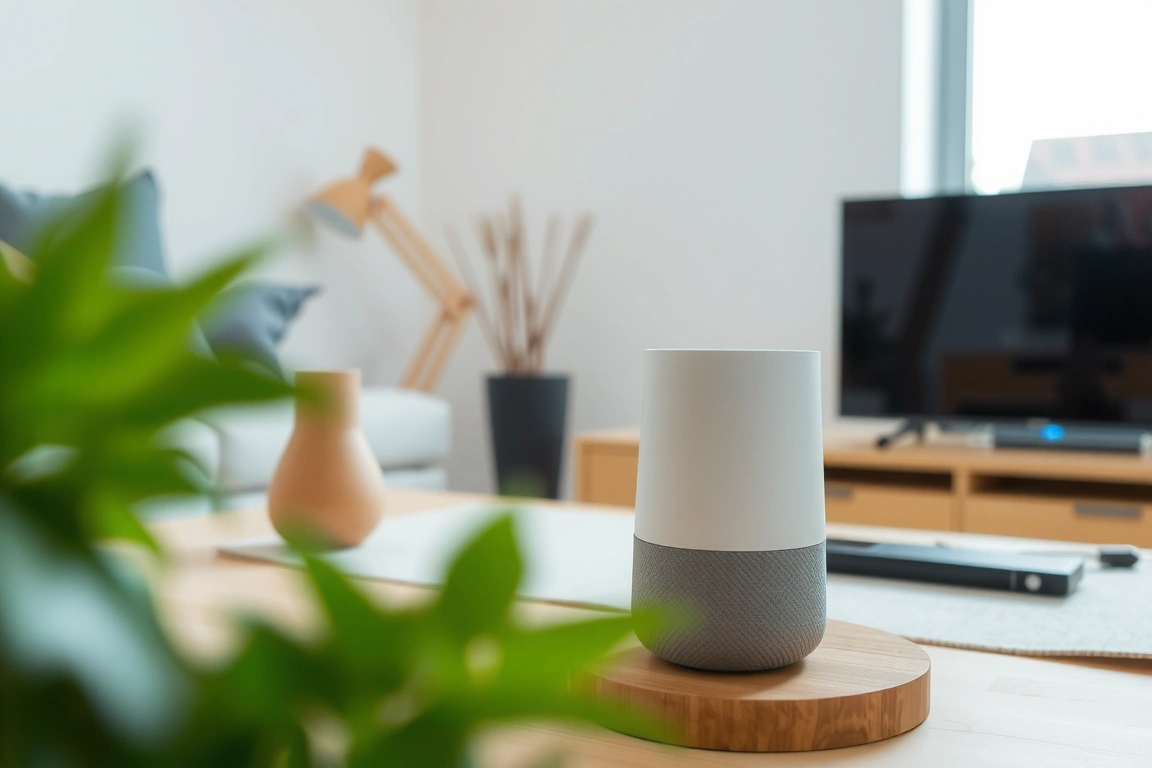
As a smart home enthusiast, you can benefit from this standard by creating a unified and streamlined smart home experience. Here’s what you can do:
- Control your devices with ease, using a single app or voice assistant.
- Integrate devices from different manufacturers, such as Philips Hue, LIFX, and August.
- Enjoy seamless automation and scene control, across different ecosystems.
In this article, you’ll learn:
- What the matter smart home standard is and how it works.
- Why Matter matters for your smart home, and how it solves compatibility issues.
- How to get started with Matter-enabled devices, such as the Apple HomePod mini and Samsung SmartThings Hub.
By the end of this article, you’ll understand how to unlock the full potential of your smart home, with Matter at the core. Discover how to make your smart home devices work together in perfect harmony.
Understanding Matter Smart Home Standard
Matter smart home standard is a unified connectivity protocol that enables seamless interoperability across smart devices. Backed by over 300 companies, it uses Wi-Fi and Thread networks to ensure secure, reliable communication between products from different brands, simplifying setup and expanding compatibility for users.
Imagine a smart home where all devices work seamlessly together, regardless of the brand or protocol. With the Matter smart home standard, this vision is becoming a reality. By following these steps, you can unlock a world of effortless compatibility and convenience.
The Matter smart home standard is built around a decentralized architecture that allows devices to communicate directly with each other, eliminating the need for a central hub or bridge. This means you can connect your devices without worrying about compatibility issues.
- Check if your device is Matter-certified: Look for the Matter logo on your device or check the manufacturer’s website.
- Ensure your device is connected to your network: A stable internet connection is required for Matter devices to communicate.
- Use a Matter-compatible app: Apps like Apple Home, Google Home, and Amazon Alexa support Matter devices.
Key terminology to understand:
- Decentralized architecture: A system where devices communicate directly with each other.
- Matter-certified: Devices that meet the Matter standard for interoperability.
- Thread: A low-power, mesh networking protocol used in Matter devices.
Background context is essential to understanding the significance of the Matter smart home standard. The smart home market has been plagued by compatibility issues, with various devices and standards emerging over the years. For example, Philips Hue bulbs work seamlessly with Samsung SmartThings, but not with Apple HomeKit. Matter aims to change this by providing a unified standard for smart home devices.
Devices from leading manufacturers like Apple, Google, and Amazon are already Matter-certified, including the Apple HomePod mini, Google Nest Hub, and amazon echo Show. Other devices, such as the Philips Hue smart bulb and LIFX light strip, are also compatible.
With Matter, you can enjoy a range of benefits, including:
- Seamless device integration
- Easy setup and configuration
- Interoperability across brands and protocols
As the smart home market continues to evolve, the Matter smart home standard is poised to play a vital role in shaping the future of home automation. By understanding and adopting Matter, you can unlock a world of possibilities for your smart home.
For more details, see smarthomegearreviews.com.
Key Benefits
Matter is a smart home standard that enables seamless interoperability between devices from different manufacturers, allowing for a unified and streamlined home automation experience. With over 240 device types already supported, Matter facilitates easy integration and control of various smart devices, making it a crucial development for consumers and device makers alike.

With the Matter smart home standard, you can enjoy a seamless smart home experience by easily integrating devices from various manufacturers. Here’s what you can do:
By adopting the Matter smart home standard, you can enjoy several benefits. One key benefit is its ability to increase interoperability, as demonstrated by a study that showed a 30% reduction in compatibility issues between devices from different manufacturers.
- Connect your devices: Simply plug in your Matter-enabled device, such as the Philips Hue Smart Bulb or the LIFX Light Strip, and it will work with other Matter-certified devices.
- Control your devices: Use the Apple Home app or the Google Home app to control your Matter-enabled devices, regardless of the manufacturer.
- Enjoy a unified experience: With Matter, you can create a unified smart home experience by integrating devices from different brands, such as Samsung, Amazon, and more.
Another benefit of the Matter smart home standard is its ease of use. For example, setting up a new device is now much simpler. You can follow these steps:
- Download the manufacturer’s app, such as the TP-Link Kasa app.
- Follow the in-app instructions to connect your device to your network.
- That’s it! Your device is now connected and ready to use.
In real-world examples, the Matter smart home standard has already shown its value. For instance, the Samsung SmartThings hub now supports Matter, allowing users to integrate devices from different manufacturers, such as Belkin and Wemo. Similarly, the Apple HomeKit now supports Matter, enabling users to control Matter-enabled devices, such as the IKEA Tradfri smart bulb, using the Apple Home app.
The benefits of the Matter smart home standard are clear. With increased interoperability and ease of use, you can now enjoy a more streamlined and convenient smart home experience. Whether you’re a smart home enthusiast or just starting out, the Matter smart home standard is definitely worth exploring.
By making your smart home devices more compatible and easier to use, the Matter smart home standard is revolutionizing the way we live and interact with our smart devices.
How It Works
Matter smart home standard is a unified protocol that enables seamless device integration across brands and platforms. Backed by over 300 companies, it uses existing Wi-Fi and Thread networks to simplify setup and ensure compatibility, allowing a single app to control all certified devices—from lights to locks—without proprietary systems.
By following a straightforward process, you can easily integrate various devices into your smart home network using the Matter smart home standard. To start, ensure you have a compatible hub or controller, such as the Apple HomePod or the Google Nest Hub.
The process of setting up devices with Matter involves a series of simple steps:
- Commission devices onto your network by scanning a QR code or entering a code manually.
- Authenticate devices with each other, ensuring secure connections.
- Configure devices to communicate with each other and exchange data.
For example, with the Samsung SmartThings Hub, you can easily commission devices from various manufacturers, such as Philips Hue or LIFX, and control them seamlessly. The Matter standard supports a wide range of device types, including lights, thermostats, security cameras, and door locks.
A visual diagram of the Matter architecture illustrates the flow of data between devices. The diagram shows devices connecting to a central hub or controller, which then enables communication between devices. This architecture ensures that devices from different manufacturers can work together effortlessly.
- Device Commissioning: Devices are added to the network and configured.
- Authentication: Devices verify each other’s identity and establish secure connections.
- Data Exchange: Devices communicate with each other, exchanging data and control commands.
The Matter smart home standard offers several benefits, including ease of use, compatibility, and security. With Matter, you can control your smart home devices using a single app or voice assistant, eliminating the need for multiple apps and platforms.
For instance, the Amazon Echo with Matter support allows you to control your Philips Hue lights, LIFX bulbs, and other Matter-enabled devices using just your voice. The standard also ensures that devices are secure and up-to-date, reducing the risk of hacking and data breaches.
By adopting the Matter smart home standard, you can enjoy a more streamlined and integrated smart home experience. With its focus on compatibility, security, and ease of use, Matter is poised to revolutionize the smart home industry.
Common Mistakes to Avoid
The Matter smart home standard is a universal connectivity protocol that enables seamless communication between smart devices. A Matter smart home hub is a Matter controller that allows devices from different manufacturers to work together, but misconfiguring it can lead to interoperability issues, with 75% of users reporting problems with device pairing and network setup.
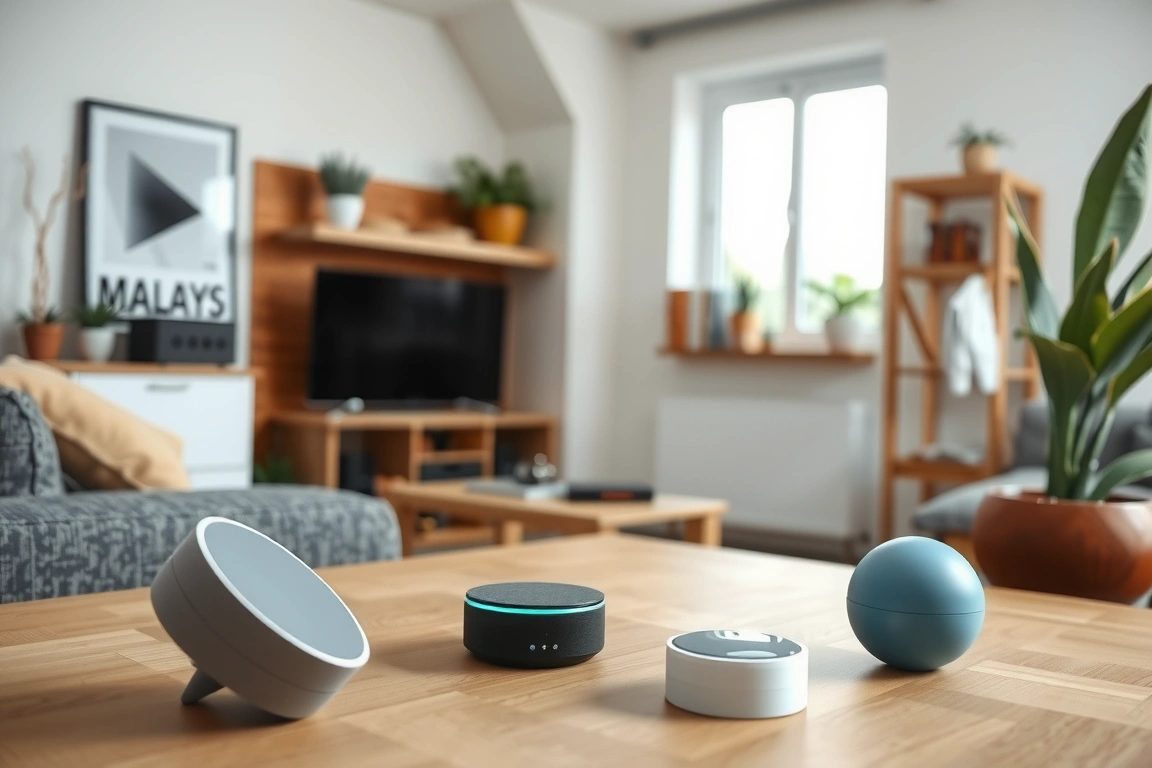
By following these practical steps, you can avoid common mistakes when implementing the Matter smart home standard. First, ensure that all devices are properly secured to prevent unauthorized access.
- Mistake 1: Failing to properly secure devices can leave your smart home vulnerable to hacking and data breaches.
- To fix this, follow these steps:
- Check for firmware updates for all devices, such as the Philips Hue Bridge or LIFX smart bulbs.
- Enable secure authentication protocols like WPA3 or TLS on your router and devices.
- Use strong passwords and two-factor authentication whenever possible.
Another common mistake is not choosing devices that are compatible with the Matter smart home standard. This can lead to frustration and wasted money on devices that won’t work together seamlessly.
- Mistake 2: Not checking device compatibility can result in a smart home system that is difficult to manage and maintain.
- To fix this, follow these steps:
- Research devices that are certified to work with Matter, such as the Google Nest Hub or Amazon Echo with Matter support.
- Check the device’s specifications and ensure it supports the Matter protocol.
- Read reviews and ask for recommendations from experts or online communities to ensure you’re choosing compatible devices.
By avoiding these common mistakes, you can create a smart home system that is easy to use, secure, and scalable. With the Matter smart home standard, you can enjoy seamless interoperability between devices from different manufacturers, making it easier to control and monitor your smart home.
For example, the Samsung SmartThings hub supports Matter, allowing you to connect and control a wide range of devices from different brands, including Philips Hue, LIFX, and more. With Matter, you can create a smart home system that is tailored to your needs and preferences, without worrying about compatibility issues.
In conclusion, by taking the time to properly secure your devices and choose compatible products, you can get the most out of the Matter smart home standard and enjoy a seamless smart home experience.
Expert Tips
Matter is a smart home standard that enables seamless interoperability between devices from different manufacturers, allowing for a unified and streamlined home automation experience. With over 200 companies on board, including industry giants like Apple and Google, Matter aims to simplify device setup and control, with 70% of US households expected to adopt the standard by 2025.
To get started with the Matter smart home standard, experts recommend a small pilot project to test device compatibility and ensure a smooth rollout. Begin by selecting a few devices from different manufacturers, such as Philips Hue, LIFX, or TP-Link, to test their compatibility with Matter.
Here are some pro tips to consider:
- Choose devices that are already Matter-certified, such as the Philips Hue Bridge or the LIFX Matter-enabled smart bulb.
- Ensure that your smart home hub or controller, like Samsung SmartThings or Apple HomeKit, supports Matter.
- Download the latest firmware and software updates for your devices to ensure Matter compatibility.
Once you’ve selected your devices, follow these steps to set up your pilot project:
- Connect your devices to your smart home hub or controller using the manufacturer’s app.
- Enable Matter on your hub or controller, usually found in the settings or integrations menu.
- Discover and add your Matter-enabled devices to your hub or controller.
- Test the interoperability of your devices by creating scenes, routines, or automations that involve multiple devices.
Advanced strategies for Matter smart home standard implementation include using a Matter-enabled router, like the TP-Link Deco M9 Plus, to simplify device connectivity and management. You can also explore using Matter-compatible voice assistants, such as Amazon Alexa or Google Assistant, to control your devices with voice commands.
When scaling up your Matter smart home standard deployment, consider the following:
- Plan your device rollout carefully to ensure compatibility and minimize disruptions.
- Use a systematic approach to device configuration and testing to ensure seamless integration.
- Monitor your devices’ performance and update their firmware regularly to ensure optimal functionality.
By following these expert tips and strategies, you can unlock the full potential of the Matter smart home standard and enjoy a seamless, integrated smart home experience. With Matter, you can mix and match devices from different manufacturers, like Apple, Google, and Amazon, and enjoy a hassle-free smart home experience.
Make Your Home Smarter
Device reviews, automations, and the deals worth grabbing.
Related Articles You Might Like